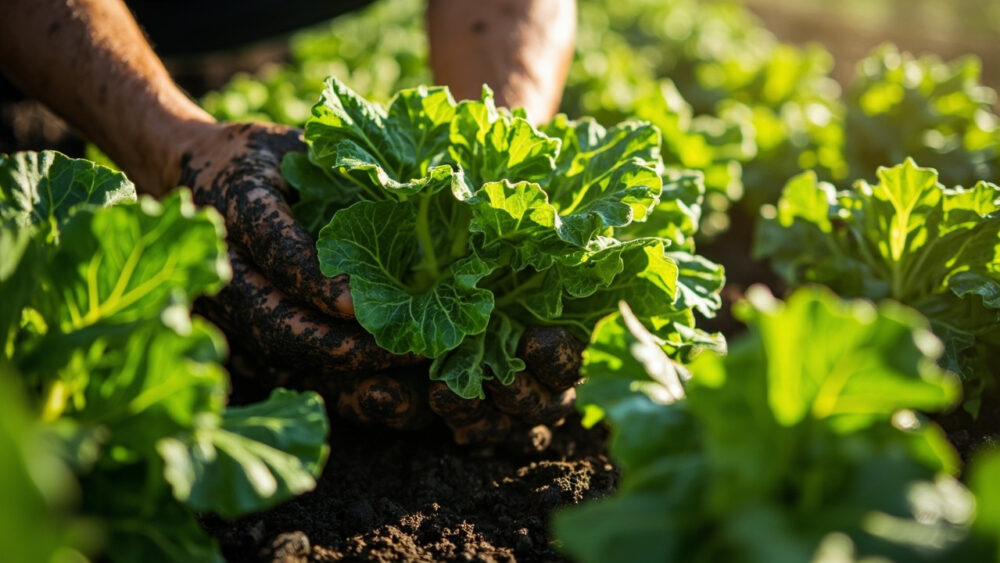
The answer to when to harvest mustard greens: start picking outer leaves once they hit 4 to 6 inches for baby greens, or wait 35 to 50 days from planting for full-size leaves around 8 to 12 inches long. Baby greens can start as early as 25 days after sowing. The plant itself will tell you it’s ready long before any calendar does, if you know what to check.
Most people either harvest too early because they’re impatient, or too late because they don’t realize mustard greens go from perfect to bitter and tough in about a week once warm weather hits. There’s also one mistake that wipes out an entire planting in a single cut, and it has nothing to do with timing. And the sign everyone misreads, a plant that suddenly shoots up a tall stalk with yellow flowers, doesn’t mean you failed. It means something specific is about to happen, and you’re about to lose your window.
Stick around and I’ll walk you through every ready sign, how to cut without killing the plant, and what actually keeps a mustard patch producing for weeks instead of days. The full Mustard Greens at a Glance card is at the bottom, save it before you head out to the garden.
The Real Ready Signs, Not Just Leaf Size
Size is the first thing people check, and it’s a fine starting point, but it’s not the whole story. A mustard leaf can be 6 inches long and taste like pepper spray if the weather’s been hot. So you’re checking three things together: size, color, and texture.
Leaf size and shape
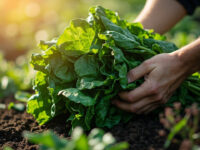
Baby leaves ready for salad mix run 3 to 5 inches. Full mature leaves for cooking run 8 to 12 inches, often with the ruffled or deeply lobed edges typical of curly mustard varieties, or the broader flat leaf of varieties like Southern Giant or tatsoi-type mustards.
Color and feel
Ready leaves are deep green (or deep purple-red in red mustard varieties), with no yellowing at the base. Run your thumb across a leaf, it should feel slightly rough or crinkled, not limp, and definitely not slick or waxy, which usually signals the plant is bolting or stressed.
Size gets you in the ballpark, but taste and timing are what actually decide the harvest.
The Timing Window, and What Bolting Really Means
Mustard greens are a cool-season crop. They want to grow in temperatures between 45 and 75°F, and they mature fast, most varieties are ready 30 to 50 days after direct seeding. Plant them 4 to 6 weeks before your last spring frost, or in late summer for a fall crop timed to mature as temperatures drop again.
If you go early, you don’t ruin anything, you just get smaller, milder greens, which is genuinely fine for salads. The real risk is going late.
Here’s the sign everyone misreads: a sudden tall central stalk with small yellow flowers. That’s bolting, triggered by heat or long daylight, and it means the plant has shifted from growing leaves to making seed. If you assumed that stalk means the plant is just growing bigger and better, that guess costs you the whole harvest, because leaves on a bolting plant turn sharply bitter and fibrous within days.
Once you see flower buds forming, you have maybe 3 to 5 days of decent eating left before flavor drops off hard.
How to Harvest Without Killing the Plant
This is the one mistake that ends a mustard patch in a single afternoon: cutting the whole plant off at the base like you’re clear-cutting a lawn. Do that, and there’s nothing left to regrow.
Instead, harvest outer leaves first. Here’s the method that keeps plants productive for weeks:
- Start with the largest, lowest leaves on the outside of the plant, they mature first and get tough fastest if left alone.
- Snap or cut each leaf near the base of its stem, leaving the central growing point untouched.
- Leave at least 4 to 6 young inner leaves per plant so it keeps producing.
- Use scissors or a sharp knife for a clean cut, tearing by hand can bruise the stem and invite rot.
If you want a one-time full harvest instead of ongoing picking, cut the entire plant about an inch above the soil line, and it will often resprout once or twice more from that base before it’s truly done.
Cutting technique decides whether this is a one-time harvest or a six-week supply.
What to Do in the First Hour After Cutting
Mustard greens wilt fast, faster than most leafy greens, especially in warm weather. Harvest in the early morning if you can, when leaves are cool and full of moisture, not midafternoon when they’ve been baking in the sun.
Get them out of the sun immediately after cutting. Rinse in cool water to knock off grit and any hitchhiking insects, then shake or spin off the excess water.
Don’t pile freshly cut greens in a closed bag in direct sun, even for 20 minutes, they’ll go limp and start to yellow at the edges.
Getting them cool fast is half of what makes them keep well, the other half is how you store them.
Keeping the Harvest Going, and Storing What You Cut
For a steady supply, pick a little every few days rather than stripping a plant all at once. Regular light harvesting actually encourages more side leaf production, especially if you’re feeding the bed with a balanced fertilizer or compost every 3 to 4 weeks during the growing period.
To store fresh greens, wrap them loosely in a damp paper towel, place in a perforated bag, and keep in the refrigerator crisper. They’ll hold well for 5 to 7 days that way.
For longer storage, mustard greens blanch and freeze well: dunk in boiling water for 2 minutes, plunge into ice water, drain thoroughly, then freeze in portioned bags. Frozen greens keep good quality for 8 to 10 months.
Succession sow a new batch every 2 to 3 weeks in cool weather, and you can be harvesting mustard greens for months instead of one short window.
Mustard Greens at a Glance
- When to plant: 4 to 6 weeks before your last spring frost, or in late summer for a fall crop as temperatures cool.
- Days to harvest: 25 to 35 days for baby greens, 35 to 50 days for full-size mature leaves.
- Ready signs: deep even color, no yellowing at the base, slightly rough or crinkled texture, leaves 4 to 12 inches depending on the stage you want.
- Ideal growing temperature: 45 to 75°F, quality drops fast above 80°F and the plant bolts.
- How to cut: take outer leaves first, leave the central growing point and 4 to 6 young inner leaves intact for regrowth.
- Bolting warning sign: a tall central stalk with yellow flowers means 3 to 5 days of good eating left, then flavor turns sharply bitter.
- Storage: fresh in a damp towel and perforated bag in the fridge for 5 to 7 days, or blanched and frozen for 8 to 10 months.
Harvest outer leaves a little at a time and mustard greens will keep feeding you for weeks. Let a flower stalk take over, and that clock runs out in days, not weeks.