Caring for purple passion plant (Gynura aurantiaca) comes down to bright indirect light, evenly moist but never soggy soil, and temperatures that stay above 60°F. Give it that and the plant rewards you with the thick violet fuzz that makes people stop and touch the leaves. Skip any one of those three things and it goes leggy, drops that famous purple sheen, or rots from the base up.
Most people who lose this plant make the same mistake, and it is not underwatering. It is the opposite, paired with low light, and I will get specific about why that combination is fatal in a way plain overwatering alone is not.
There is also a sign almost everyone misreads on this plant. The leaves losing their purple fuzz looks like a nutrient problem to most people, and it is almost never that. Stick around, because the save-able Purple Passion Plant at a Glance card at the bottom has every number in one place for when you do not want to reread all this on your phone in the plant aisle.
Light, Placement, and Temperature
Purple passion plant wants bright, indirect light, ideally a few hours of gentle direct morning sun near an east-facing window, or filtered light close to a south or west window. The purple fuzz is what fades first when light drops too low, leaves go greener and duller within a few weeks in a dim corner.
Too much harsh afternoon sun scorches the leaves brown at the edges, so a sheer curtain between the plant and a hot west window earns its keep.
Keep it between 60°F and 80°F. It sulks hard below 50°F and stops growing, and cold drafts near a winter windowsill will do more damage than most pests ever will.
Get the light right and the next question becomes obvious: how much water does a plant this fuzzy actually need.
Watering: How Much, How Often, and How to Tell
Water when the top inch of soil feels dry to a finger poked in, then water thoroughly until it runs from the drainage holes. In bright warm conditions that is often every 5 to 7 days, slower in winter or low light.
Here is the mistake that actually kills most of these plants. It is not just overwatering, it is overwatering combined with the low light so many people also give it. In good light the roots use water fast and forgive some excess. In dim light the plant barely drinks, so wet soil sits cold and airless around the roots for days, and that is exactly the setup for stem and crown rot.
The fuzzy leaves also hate sitting wet. Water at the soil line rather than overhead, since standing water on the fuzz encourages spotting.
Get the water right in the wrong light and you still lose the plant, which is why placement and watering are really one decision, not two.
Soil, Potting Mix, and Feeding
Use a well-draining, peat-based potting mix, the kind sold for general houseplants, ideally with some perlite mixed in for extra air at the roots. Heavy garden soil or anything that stays dense and wet is the wrong call here.
Feed with a balanced liquid houseplant fertilizer at quarter to half strength every 4 weeks during spring and summer, when it is actually growing. Skip feeding in fall and winter, when growth slows and excess fertilizer just builds up as salt in the soil.
A pot with drainage holes is not optional for this plant. Skip it and you are fighting soggy soil no matter how carefully you water.
Soil sets the stage, but a handful of routine tasks are what keep this plant looking like it does on the plant tag instead of scraggly by month three.
Pruning, Repotting, and the Upkeep That Actually Matters
Pinch the growing tips back every few weeks during the growing season. Purple passion plant stretches into long, floppy stems fast, and regular pinching is what keeps it bushy instead of vine-like and bare at the base.
Repot every 12 to 18 months, or sooner if you see roots circling the bottom of the pot, moving up just one pot size at a time.
This plant also ages out. Stems get woody and less colorful after a couple of years even with perfect care, and most experienced growers just take cuttings and start a fresh plant rather than fighting to rejuvenate an old one. Cuttings root readily in water or moist soil within a couple of weeks.
Dust the leaves occasionally with a soft, dry brush rather than wiping, since the fuzz traps moisture and dust differently than smooth leaves do.
Even with good pruning and repotting habits, a few problems show up often enough that you should know them before they surprise you.
The Problems Most Likely to Show Up
If you assumed fading purple color means a nutrient deficiency, that guess is wrong for this plant almost every time. The real cause is nearly always insufficient light, and moving the plant to a brighter spot restores the color within a few weeks far more reliably than any fertilizer will.
Leggy, sparse growth with long bare stretches between leaves means the same thing: not enough light, plus not enough pinching.
Watch for these common issues:
- Soft, dark, mushy stems near the soil: crown or root rot from wet soil and low light, often not recoverable once it reaches the main stem, take healthy cuttings and start over.
- Aphids or spider mites: check the undersides of leaves and new growth, treat with insecticidal soap or a labeled miticide, following the product label exactly.
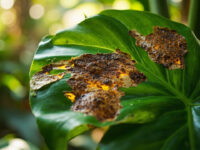
- Crispy brown leaf edges: too much direct hot sun or very dry indoor air, move back from the window or add humidity.
- Yellowing lower leaves: normal aging if it is one or two leaves, overwatering if it is widespread.
Purple passion plant is considered mildly toxic to pets, and if a cat or dog eats a significant amount, contact your veterinarian rather than waiting to see what happens.
Once you have ruled out those problems, it helps to know exactly what a genuinely happy plant looks like, since it is a little different from what most people expect.
How to Tell It Is Actually Thriving
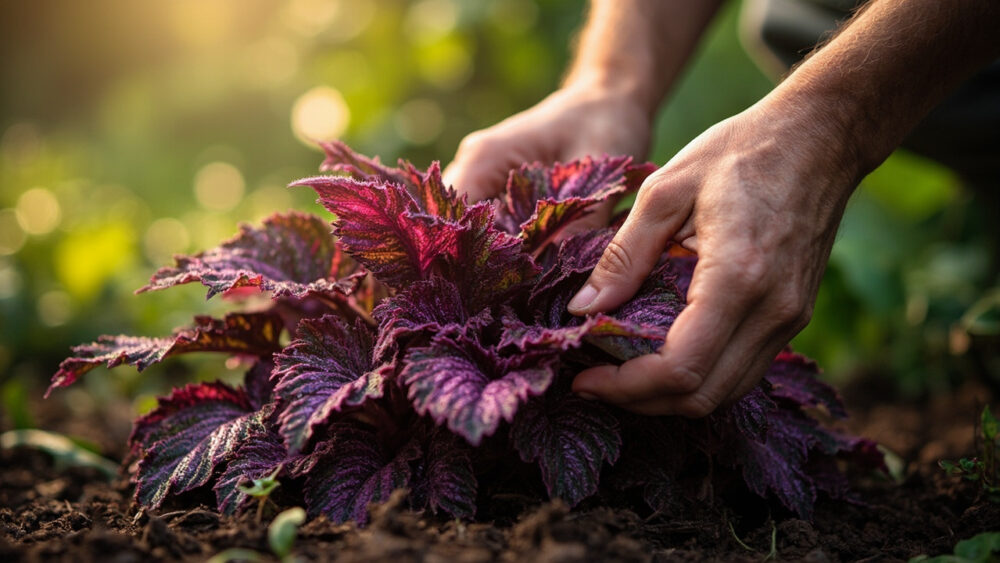
A thriving purple passion plant has dense purple fuzz visible on new growth in good light, compact stems rather than long trailing ones, and leaves that stay perky rather than drooping between waterings.
New leaf growth should emerge with strong purple coloring right away, not green leaves that slowly purple up later. Flower buds may appear, but many growers pinch these off before they open, since the small orange flowers have an odor most people find unpleasant indoors.
If your plant is holding color, staying bushy, and pushing new growth every few weeks in spring and summer, you have the light and water balance right.
That balance is exactly what the quick-reference card below is built to help you hold onto.
Purple Passion Plant at a Glance
- Light: bright indirect light daily, a little gentle direct morning sun is fine, harsh afternoon sun scorches leaves.
- Temperature: 60°F to 80°F, protect from drafts and anything below 50°F.
- Watering: water when the top inch of soil is dry, roughly every 5 to 7 days in active growth, less in winter, always water at the soil line.
- Soil: well-draining, peat-based mix with perlite, in a pot with drainage holes.
- Feeding: balanced liquid fertilizer at quarter to half strength every 4 weeks in spring and summer, skip fall and winter.
- Routine care: pinch tips every few weeks, repot every 12 to 18 months, take fresh cuttings every couple of years as the plant ages.
- Warning sign: fading purple color means low light, not a feeding problem, and mushy stems near the soil mean rot, usually a start-over situation.
Get the light bright and the watering rhythmic, and this plant is genuinely easy.
Get either one wrong and it tells you fast, so check it today, not next week.