A drooping ZZ plant is almost always overwatered, not thirsty. Those thick stems and rhizomes store water, so when the soil stays wet the roots suffocate and stop supporting the leaves, and the stems go soft and floppy instead of standing upright. Pull the plant slightly out of the pot or check the rhizomes just under the soil line, and if they feel squishy or smell sour, you have your answer already.
Here is the part that trips people up: everyone’s first instinct is to water a droopy plant, and with a ZZ that is usually the exact opposite of what it needs. There is also one detail on the plant itself, whether the drooping starts at the base or at the leaf tips, that tells you almost immediately which of the handful of real causes you are dealing with.
Below you will find every likely cause ranked by how often it actually happens, the quick test to confirm each one, the fix, an honest recovery outlook, and a save-able diagnosis checklist at the very bottom you can run in about two minutes standing right at the pot.
Most Likely Causes, Ranked
1. Overwatering and root or rhizome rot
This is the cause behind most droopy ZZ plantshands down. ZZ plants (Zamioculcas zamiifolia) grow from potato-like rhizomes that store water, and a pot that never dries out drowns those rhizomes.
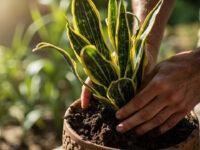
Confirm it by sliding the plant out of its pot and checking the rhizomes and lower stems. Healthy ones are firm and pale tan to green; rotten ones are dark, soft, and sometimes mushy enough to squeeze water out.
Fix: trim away any black or mushy rhizome tissue with a clean blade, let the remaining healthy rhizomes air dry for a few hours, and repot into fresh, fast-draining potting mix in a pot with a real drainage hole. Do not water again until the top two inches of soil are fully dry.
That fix only works if you catch the rot before it reaches the crown, which is why the next section matters.
2. Underwatering after long neglect
Less common, but realespecially if the plant has gone many weeks bone dry. ZZ plants tolerate drought better than almost any houseplant, but eventually the rhizomes run out of stored water and stems droop and thin.
Confirm it by checking soil moisture at two inches deep. If it is powder dry and has been that way a long time, and the rhizomes still feel firm when you check them, this is your cause, not rot.
Fix: water thoroughly until it runs from the drainage hole, let the pot drain fully, and resume a normal schedule of watering only when the top few inches dry out, typically every two to four weeks depending on light and season.
Firm rhizomes and dry soil are good news, because this cause fixes itself the fastest.
3. Cold shock or a cold draft
ZZ plants are tropical and sulk hard below about 50°F. A drafty window, an unheated porch, or a cold car ride home from the nursery can cause sudden, all-over drooping even when the soil is fine.
Confirm it by thinking back over the last week: was the plant near an AC vent, a drafty single-pane window, or outdoors on a chilly night? Cold damage often shows as drooping plus a slightly translucent or water-soaked look to the leaflets.
Fix: move the plant to a spot that stays reliably between 60°F and 75°F, away from vents and glass in winter, and just wait. There is no quick undo for cold shock, only time and stable warmth.
If the location checks out fine and the plant has been warm all along, keep reading, because the cause is probably belowground.
4. A pot that is too large or holds water too long
An oversized pot keeps far more soil wet for far longer than the roots can use, which sets up the same rot as overwatering even if you are watering on a reasonable schedule.
Confirm it by checking how long the soil stays damp after watering. If the center of the pot is still wet a week or more later, the pot is oversized or the mix is too dense.
Fix: repot into a container only one to two inches wider than the root mass, using a mix cut with perlite or orchid bark, and choose terra cotta if you tend to overwater since it wicks moisture out.
This one hides behind a normal watering schedule, so it is worth ruling out even if your habits seem fine.
5. Transplant or repotting stress
A ZZ plant that was just divided, repotted, or moved to new soil can droop for one to three weeks afterward while the disturbed roots reestablish. This is temporary and rarely serious.
Confirm it by timing: if the drooping started within a couple weeks of repotting and the rhizomes checked firm, stress is the likely cause.
Fix: keep the plant in bright, indirect light, water lightly and only when the top inch is dry, and leave it alone. Do not fertilize during this recovery window.
Patience solves this one, which is more than can be said for the next cause.
6. Root-bound stress or old, exhausted soil
A ZZ plant left in the same pot for three-plus years can become so root-bound that water runs straight through without hydrating the plant, or the old soil has broken down and lost all structure.
Confirm it by checking for roots circling tightly at the pot’s edge or a soil surface that has turned to fine, compacted dust.
Fix: repot into fresh mix one size up, teasing apart the outer roots gently so they can spread into new soil.
Once you have ruled out cold, pot size, and old soil, it is worth stepping back and comparing all the causes side by side.
How to Tell the Causes Apart
Where the drooping starts matters more than how bad it looks. Rot typically begins at the base, with lower stems going soft or yellow first while upper growth still looks fine.
Underwatering and cold shock tend to affect the whole plant evenly, all stems drooping together rather than one section collapsing first.
Old leaves versus new leaves is another tell. Rot and old age hit older, lower leaflets hardest; transplant stress often shows first on the newest, most tender growth.
Smell is an underused clue: sour or musty odor at the soil line means rot, no exceptions.
Once you know which pattern matches your plant, the recovery odds get a lot easier to predict.
Will It Recover?
Honest answer: it depends entirely on the rhizomes, not the leaves. A ZZ plant with even one or two firm, healthy rhizomes left after trimming rot can regrow an entire plant over several months, even if you had to cut it back hard.
If every rhizome you find is dark, mushy, and hollow, the plant cannot come back, and it is fair to cut your losses rather than nurse a shell.
Underwatered and cold-shocked plants almost always fully recover within two to six weeks once conditions correct, no cutting required.
Transplant stress resolves on its own within a few weeks in nearly every case.
The rhizome check you already did is doing double duty as both your diagnosis and your prognosis.
How to Keep It From Happening Again
Water on a check, not a calendar. Stick a finger two inches into the soil and only water when it comes out dry. For most homes that is every two to four weeks.
Use a pot with a drainage hole every time, no exceptions, and a mix that drains fast rather than holding water like a sponge.
Keep the plant somewhere that stays above 55°F year-round and away from cold glass or vents in winter.
Repot only every two to three years, sizing up just slightly rather than jumping to a much bigger pot.
Get those four habits right and you will rarely see this plant droop for any reason at all.
Diagnosis Checklist
- Check the top two inches of soil: if wet and it has been wet for days, suspect overwatering or rot first.
- Slide the plant partway out and inspect the rhizomes: firm and pale means good, dark and mushy means rot.
- Smell the soil at the base: sour or musty confirms rot, no smell points elsewhere.
- If soil is bone dry and rhizomes are firm, treat it as underwatering and water thoroughly.
- Recall recent placement: near AC vents, cold glass, or below 50°F points to cold shock.
- Check how long soil stays wet after watering: more than a week signals an oversized pot or dense mix.
- Note the timeline: drooping within two weeks of repotting means stress, not disease.
- Check for tightly circling roots or dusty, broken-down soil: this means it is time to repot regardless of other findings.
- Trim any confirmed rot back to firm, healthy tissue before doing anything else.
- Repot into fresh, fast-draining mix and a properly sized pot, then hold off watering until the top two inches dry out again.
Most droopy ZZ plants are telling you the soil has been wet too long, not too little.
Check the rhizomes, fix the water habit, and this is one of the easiest houseplant problems to actually solve for good.