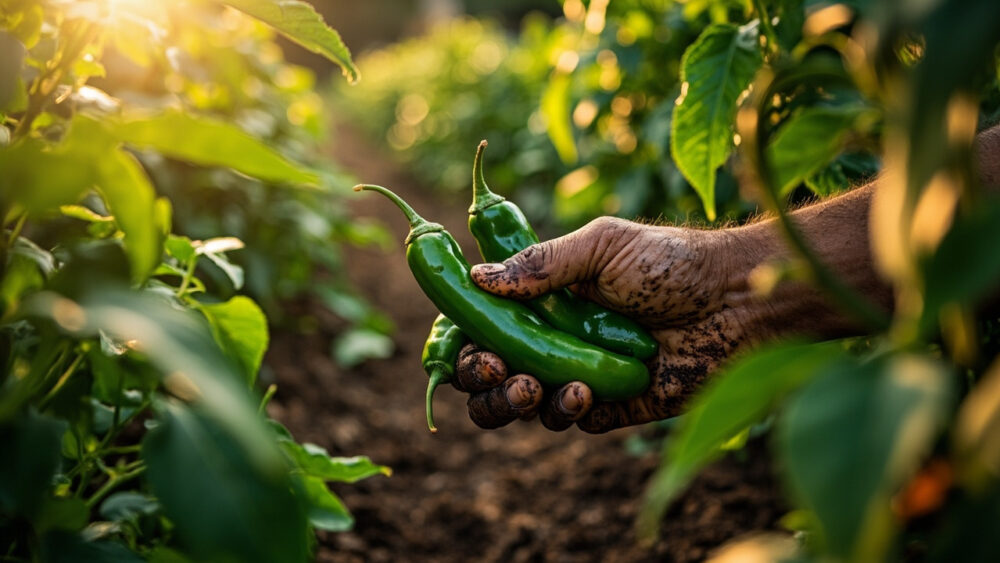
The best all-around way to preserve jalapenos is pickling them in a vinegar brine, which keeps them crisp and usable for six months to a year in the fridge with zero canning equipment. If you want shelf-stable jars at room temperature, you need a tested water-bath recipe with the right acid ratio, not a guess. And if you just want to dump peppers in a bag and forget them, freezing works too, though the texture goes soft once thawed.
Here is where most people go wrong, and it is not the recipe. It is what they do to the peppers before the peppers ever touch vinegar, salt, or a freezer bag.
Skip that step and you get mushy rings, cloudy brine, or a batch that molds in week two even though it “smelled fine.” Stick around, because the signs that a jar has actually turned are not what most people assume, and the at-a-glance card at the bottom will save you from re-Googling this every August.
The Best Method: Quick Refrigerator Pickles
Slice your jalapenos into rings about a quarter inch thick, or halve them lengthwise if you want spears. Pack them into clean jars, leaving about half an inch of headspace.
Bring a brine of equal parts water and white vinegar (5% acidity) to a boil with 1 to 2 tablespoons of salt per cup of liquid. A tablespoon of sugar per cup rounds out the sharpness but is optional.
Pour the hot brine over the peppers, seal, and let the jars cool on the counter before moving them to the fridge. Wait at least 24 hours before eating; flavor keeps improving through day three or four.
That part is simple, but how long that jar actually stays good depends on a step nobody talks about.
How Long Each Method Actually Keeps Them
Refrigerator pickled jalapenos hold their crunch for about 1 to 2 months and stay safely edible, if a bit softer, for up to 6 months in the fridge. Water-bath canned jars, made from a tested recipe with correct acidity, are shelf-stable unopened for up to a year, then behave like fridge pickles once opened.
Frozen whole or sliced jalapenos keep a full 8 to 12 months in the freezer, but they lose their snap entirely and are best used in cooked dishes, not fresh salsa. Dried and cured jalapenos, either dehydrated into flakes or smoke-dried into chipotles, last a year or more in an airtight jar out of direct light.
Counter storage, meaning just leaving fresh, unprocessed jalapenos out in a bowl, only buys you 4 to 5 days before they start softening and pitting.
Every one of those numbers assumes the peppers were handled right before they ever hit brine, freezer, or dehydrator, which is where things fall apart.
The Prep Step That Makes or Breaks the Whole Batch
If you assumed you should wash jalapenos right before slicing, that is not the mistake, that part is fine. The real failure point is not drying them thoroughly afterward.
Water clinging to the pepper surface or trapped inside a sliced ring dilutes your brine and is the single biggest reason home-pickled jalapenos turn cloudy or soft within a couple weeks. Pat them completely dry, or better, let them air dry on a towel for 15 to 20 minutes after washing.
Skip blanching for pickling; raw peppers hold crunch better in vinegar than blanched ones do. For freezing, though, a quick 1 to 2 minute blanch followed by an ice bath actually helps preserve color and slows the enzyme activity that makes frozen peppers go mushy and dull.
Curing, meaning letting cut peppers sit in salt for an hour before packing, pulls out extra moisture and is worth doing if your jalapenos are watery or slightly overripe.
Get the moisture right and you have already avoided the mistake that ruins the most jars, but there is a second one just as common.
The Mistakes That Actually Ruin a Batch
The most common failure is using weak vinegar or watering down the brine to make it “less sharp.” Vinegar needs to be at least 5% acidity to safely preserve peppers. Anything diluted below that ratio is not a safety-tested recipe anymore, it is a guess.
Second is packing jars too loosely or too tightly. Loose packing lets peppers float above the brine line and spoil at the surface. Overpacking prevents brine from fully surrounding each piece.
Third, and this one is sneaky: reusing brine from a previous jar instead of making it fresh. Old brine has already lost acidity and picked up sugars and juices from the last batch, weakening its preserving power.
- Not drying peppers before packing
- Diluting vinegar below 5% acidity
- Skipping headspace, causing seals to fail on canned jars
- Touching peppers then rubbing eyes or face, unrelated to spoilage but universally regretted
Even a perfect batch can still turn later, so you need to know what spoilage actually looks like versus what just looks unusual.
The Signs a Jar Has Actually Turned
Everyone assumes cloudy brine automatically means spoiled, but that is not always true. Cloudiness can just mean natural sediment settled, or that garlic added to the jar has started to break down, which is harmless.
Real spoilage looks and smells different: a sour, off smell that is sharper or more chemical than vinegar’s normal bite, visible mold on the surface (fuzzy white, blue-green, or black), or a bulging lid on a sealed jar that never popped when opened. A slimy texture on the peppers themselves, distinct from their normal slight sliminess in brine, is also a red flag.
If you see any of those signs, do not taste it to check. Toss the jar, brine and all.
Trust your nose and eyes over your assumptions, and when in doubt, the batch is not worth the risk.
Jalapenos at a Glance
- Best everyday method: refrigerator vinegar pickles, ready in 24 hours, best flavor by day 3 or 4.
- Brine ratio: equal parts water and 5% white vinegar, plus 1 to 2 tablespoons salt per cup of liquid.
- Fridge pickled shelf life: 1 to 2 months at peak crunch, safely edible up to 6 months.
- Canned shelf life: up to 1 year unopened using a tested water-bath recipe, then treat like fridge pickles once opened.
- Frozen shelf life: 8 to 12 months, texture goes soft, best for cooked dishes not fresh eating.
- Prep that matters most: dry peppers completely after washing before packing them into jars or bags.
- Spoilage signs: fuzzy mold, sour off smell, bulging lid, or slimy texture beyond the normal brine sheen.
Dry your peppers, keep your vinegar full strength, and trust your nose over the calendar. Get those two things right and every batch after this one gets easier.