The fastest, most reliable way to propagate a corn plant (Dracaena fragrans) is by cutting a section of bare stem, called a cane, and rooting it in water or moist potting mix. It sounds too simple for a plant that looks so tropical and finicky, but corn plants root from stem sections almost like willow does. That said, most people who try this fail in one of two spots, and neither one is the spot they expect.
The mistake that ruins most attempts is not the cutting itself. It is rot, caused by leaving too much leaf on the cutting or keeping the medium too wet too soon.
The sign everyone misreads is a soft, mushy cane a few weeks in. Most people assume it needs more water. It is almost always the opposite problem, and I will walk through exactly why below.
Stick with me through the method, the timeline, and the honest failure points, and I will give you a save-able Corn Plant at a Glance card at the very bottom with every number you need on hand for this weekend.
Why Cane Cuttings Beat Every Other Method
You can technically propagate corn plant from top cuttings with leaves attached, and it works. But bare cane sections root faster, rot less, and let you turn one leggy, top-heavy plant into three or four new starts instead of just one.
Corn plants grow the way sugarcane does, in segmented sections along a woody stem. Each segment carries dormant growth nodes, the little rings you can see circling the cane. Cut a length that includes two or three of those nodes and each one is capable of pushing new roots and a new shoot, with no leaf tissue demanding water it cannot yet supply.
That is the real reason leafy cuttings struggle. Leaves keep transpiring while there are no roots to back them up, so the cutting dehydrates or rots trying to compensate.
Bare cane skips that problem entirely.
Step by Step: Cutting, Medium, and Conditions
Taking the Cutting
Pick a healthy, thick cane, at least the diameter of your finger. Using clean, sharp pruners or a saw for thicker canes, cut it into sections 4 to 6 inches long. Make sure each section includes at least one visible node ring. If your plant has gotten tall and bare at the bottom, this is also your excuse to cut the whole top off and start over with a shorter, fuller shape.
Choosing a Rooting Medium
You have two solid options. Water rooting lets you watch root development, which is satisfying and beginner-friendly. Submerge the bottom third of the cane in a few inches of room-temperature water, change it every 4 to 5 days to keep it from going stagnant.
Soil rooting is slightly more reliable long-term because the roots that form never have to adjust from water to soil. Push the cane about a third of its length into damp, well-draining potting mix, cut side down if you’re using segments (corn plant cane can technically root either orientation, but right-side-up is the safe bet).
Getting the Conditions Right
Bright, indirect light, temperatures around 65 to 80°F, and consistent humidity all matter more than anything else you can do to speed things along.
Low light won’t kill the cutting, it just stalls it for weeks.
Week by Week: What Actually Happens
Nothing visible happens for the first 2 to 3 weeks. This is the part that makes people panic and either yank the cutting up to check on it or drown it in extra water. Do neither.
Weeks 3 to 5, you’ll start seeing small white or pale bumps at the base if it’s in water, or you may not see anything if it’s in soil until you gently tug and feel resistance. That resistance means roots have grabbed the medium.
Somewhere around week 5 to 8, a new shoot typically emerges from one of the nodes, often before roots are even substantial. That is normal for dracaena, the top growth and root growth are not perfectly synced.
By week 8 to 12, you should have a root system an inch or two long and a shoot with a few small leaves.
That timeline assumes decent warmth and light; cold rooms or dim corners can stretch it to four or five months.
When and How to Pot Up
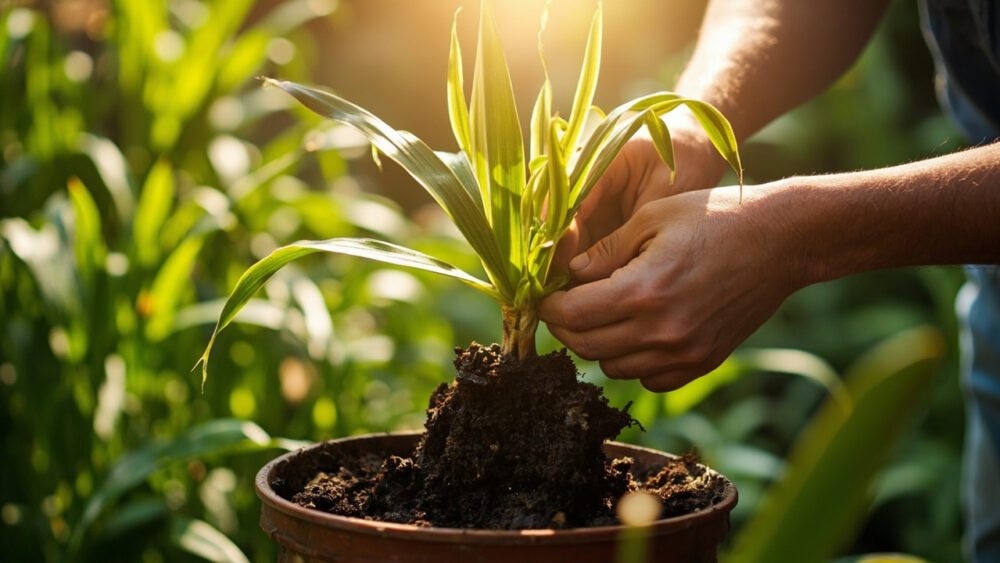
Once roots are 2 to 3 inches long, whether you started in water or soil, it’s time to commit to a pot if you haven’t already. Choose a container just slightly larger than the root mass, with drainage holes, no exceptions on that last point.
Use a standard well-draining houseplant mix, a basic potting soil with some perlite works fine. Plant the cane at the same depth it was rooted, water it in, then let the top inch of soil dry out between waterings going forward.
Skip fertilizer for the first month. New roots are sensitive to salt buildup and don’t need the push yet.
Getting it in the right pot is easy, the harder part is knowing why so many cuttings never make it this far.
Why Attempts Fail and How to Dodge It
If you assumed a mushy cane means it’s thirsty, that guess is exactly backward and it’s the single most common cause of death here. A soft, discolored cane is rot, not drought, and more water only accelerates it.
Rot shows up as a gray, brown, or black soft spot, often smelling sour, usually starting at the cut end. It happens from medium that stays too wet, a cutting taken from a stem that was already diseased, or tools that weren’t clean.
The fix: use clean pruners, let water-rooted cuttings sit in fresh water rather than stagnant, and let soil dry appropriately between waterings.
The second failure is low light. A cutting can survive for months without rooting if it’s sitting somewhere too dim, quietly using up its stored energy with nothing to show for it. Bright, indirect light isn’t optional here, it’s the difference between an 8-week root and a cutting that just slowly starves.
Catch rot early, keep the light bright, and this is a genuinely easy plant to multiply.
Corn Plant at a Glance
- Best method: bare cane cuttings, 4 to 6 inches long, with at least one visible node.
- Rooting medium: water, changed every 4 to 5 days, or damp well-draining potting mix.
- Ideal conditions: bright, indirect light, 65 to 80°F, steady humidity.
- Timeline: roots begin around week 3 to 5, new shoots by week 5 to 8, potting-ready by week 8 to 12.
- Pot up when: roots reach 2 to 3 inches long, using a well-draining mix and a pot with drainage holes.
- Biggest killer: rot from overly wet medium or dirty tools, shown as soft, discolored, sour-smelling stem tissue.
- Toxicity note: corn plant is toxic to cats and dogs; if you suspect a pet has chewed on one, contact your veterinarian.
Cut clean, keep it bright, and let it sit dry more than you think it should.
That patience is the whole trick, the plant does the rest on its own schedule.