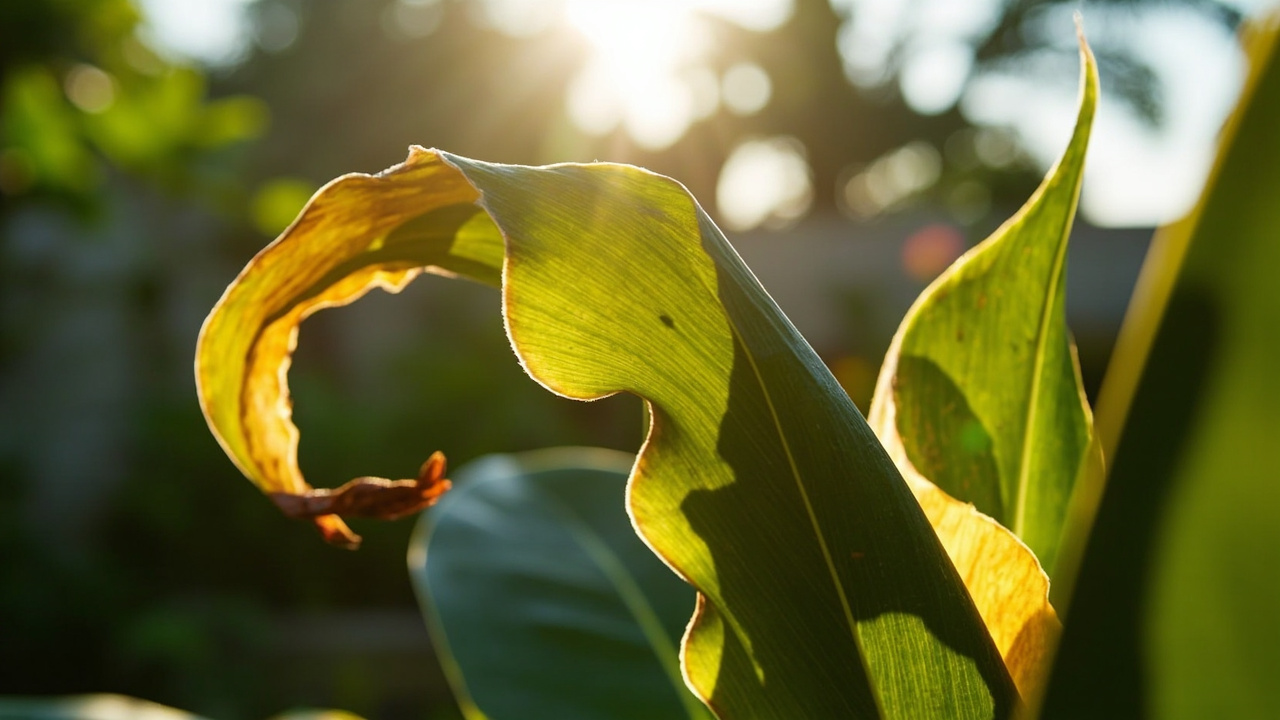
Nine times out of ten, curling leaves on a ficus audrey mean the plant is losing water faster than its roots can replace it, usually from a mix of dry air and inconsistent watering. The fix is almost always about stabilizing the root zone and humidity, not just pouring on more water. Check the soil moisture first, because that one test rules out or confirms half the causes on this list.
Most people blame underwatering the second they see curl, and sometimes that is the answer. But overwatered, oxygen-starved roots produce the exact same curled, droopy look, and giving a plant in that state more water finishes it off.
There is one detail on the plant itself, where the curling starts and which leaves it hits first, that tells you which of these causes is actually yours. Whether your ficus audrey bounces back in days or needs a hard prune depends on which cause it is and how long it has been going on, and the honest answer is below along with a two-minute diagnosis checklist you can run right at the plant.
Most Likely Causes, Ranked
1. Underwatering and dry root ball
Confirm it: push a finger 2 inches into the soil. If it is bone dry and the pot feels light when you lift it, this is your culprit. Leaves usually curl inward and feel slightly leathery but not mushy.
Fix it by watering deeply until liquid runs from the drainage holes, then let the top inch or two dry out before the next watering. A ficus audrey wants a real soak-and-dry cycle, not a daily splash.
Get the watering rhythm right and you fix most of the problem before you even look at humidity.
2. Low humidity or hot, dry air
Confirm it: check if the plant sits near a heat vent, radiator, or a sunny window in a dry room. Leaves curl at the edges first, especially on the newest growth, while the soil moisture is actually fine.
Fix it by grouping plants together, running a humidifier nearby, or setting the pot on a pebble tray with water below the pot’s base. Misting helps briefly but does not move the humidity needle much on its own.
If the soil test came back damp, not dry, move straight to the next cause instead of assuming humidity is guilty.
3. Overwatering and root rot
Confirm it: soil stays wet days after watering, the pot feels heavy, and you notice a sour or swampy smell at the drainage hole. Curled leaves here often droop first and turn dull or yellow before curling, and they may feel soft rather than crisp.
Fix it by stopping watering immediately and checking the roots. Slide the plant out of the pot; healthy roots are firm and pale, rotten ones are brown, black, or mushy and slip off in your fingers.
Trim away any rotten roots, repot into fresh, fast-draining soil, and size the pot to the actual root mass, not the size you wish it were.
This is the cause people misdiagnose most often, so the next section walks through exactly how to tell it apart from simple thirst.
4. Cold drafts or sudden temperature swings
Confirm it: think back on recent placement. Near a drafty door, an AC vent, or a window that gets cold at night are the usual spots. Curling shows up fast, sometimes within a day or two, and often pairs with leaf drop.
Fix it by relocating the plant at least 3 feet from drafts, exterior doors, and single-pane windows in winter. Ficus audrey wants to stay above roughly 60°F consistently.
Once temperature is ruled out or corrected, light exposure is the next thing worth a hard look.
5. Too much direct sun or a recent light change
Confirm it: leaves facing the window curl and may show pale or scorched patches, while leaves on the shaded side of the plant look normal. This is common after moving a plant outdoors for summer or into a brighter room without acclimating it.
Fix it by shifting the plant a few feet back from harsh afternoon sun or adding a sheer curtain, then reintroducing brighter light gradually over a couple of weeks.
Pests are less common than any of the above, but they are worth ruling out before you decide you have solved the mystery.
6. Pests, usually spider mites or scale
Confirm it: flip curled leaves over and check the undersides and leaf joints with a bright light or your phone flashlight. Look for fine webbing, tiny moving specks, or small brown bumps that do not brush off.
Fix it by isolating the plant, rinsing leaves with a strong spray of water, and treating with insecticidal soap or horticultural oil, following the product label exactly on timing and reapplication.
Once you have checked for pests, you have covered every major cause, and now it is time to line them up side by side.
How to Tell the Causes Apart
Where curling starts is your best clue. Edges curling on new growth points to humidity or light stress. Whole leaves curling and drooping, especially older lower leaves, points to a watering problem in either direction.
Old leaves versus new leaves matters too. Root rot and underwatering both tend to hit older, lower leaves first as the plant sacrifices them to save itself. Draft damage and sun scorch hit whichever leaves face the problem directly, regardless of age.
Pattern across the plant tells you the rest. One side curling means a localized cause like a draft or window glare. All-over curling means something systemic like watering or humidity.
Once you have matched the pattern to a cause, the next question is how much damage is permanent.
Will It Recover?
Underwatering and low humidity have the best odds. Curled leaves usually do not uncurl, but new growth comes in normal within 2 to 4 weeks once conditions are fixed.
Cold drafts and sun scorch behave the same way. The damaged leaves are done, but the plant itself typically recovers fully once moved.
Root rot is the honest exception. Mild cases caught early recover after a repot and root trim, often within a month. If more than half the root system is mushy and black, the realistic move is to take a healthy stem cutting as insurance rather than pin all hope on the original plant.
Pest infestations recover well if caught early, but heavy, established infestations may require repeated treatments over several weeks and some leaf loss along the way.
Recovery is realistic in most cases, but prevention is what keeps you from doing this diagnosis again next month.
How to Keep It From Happening Again
Water on a schedule tied to the soil, not the calendar. Check with a finger or a moisture meter before every watering instead of watering on a fixed day.
Keep the plant away from vents, radiators, and drafty doors, and out of harsh direct afternoon sun through unfiltered glass. Bright, indirect light with a couple hours of gentle direct sun is the sweet spot.
Run a humidifier or group plants together if your home regularly sits below 40 percent humidity, especially during winter heating season. Inspect leaf undersides once a month so pests never get a head start.
Get those habits in place and curling becomes rare instead of routine.
Diagnosis Checklist
- Check soil moisture 2 inches down: dry means underwatering or humidity, wet means overwatering or root rot.
- Lift the pot: unusually heavy means excess water, unusually light means it is thirsty.
- Smell the drainage hole: a sour or swampy smell means check the roots for rot now.
- Note which leaves curled first: older lower leaves point to a watering problem, new top growth points to humidity or light.
- Check for a one-sided pattern: curling only on one side means look for a nearby draft or window glare.
- Flip a curled leaf and inspect the underside: webbing or bumps mean treat for pests.
- Think back 1 to 2 weeks: any move, new spot, or temperature swing lines up with sudden curling and drooping.
- Match your findings to the matching cause above, then apply that fix and give it 2 to 4 weeks before judging results.
Most curled ficus audrey leaves trace back to something fixable within a few weeks, not a dying plant.
Get the water and humidity right, and this is one of the easier houseplant problems to put behind you for good.