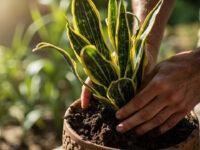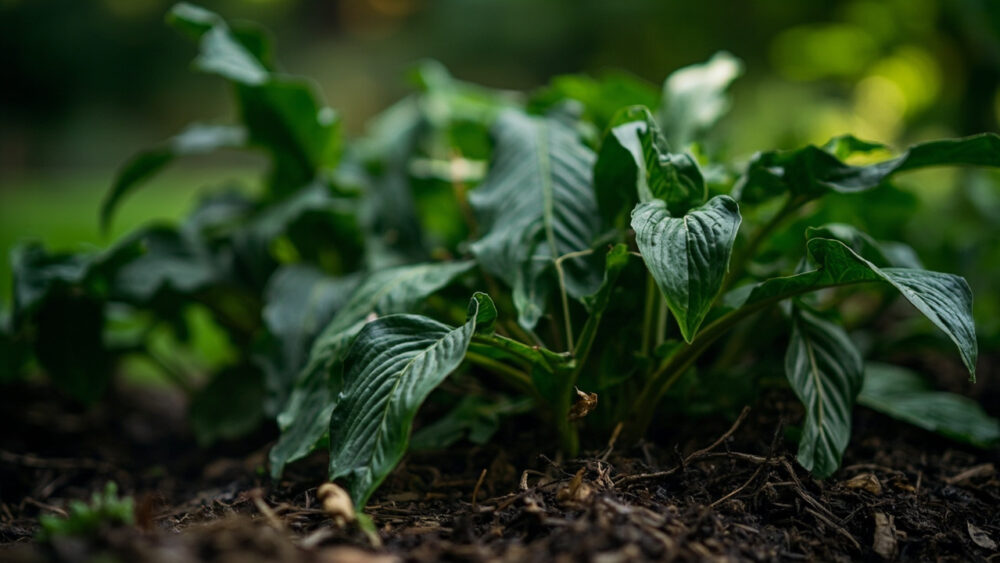
Cast iron plant drooping is almost always overwatering, not underwatering, even though wilting looks like the plant is thirsty. Check the soil two inches down before you do anything else. If it feels damp or cold and clammy, you have your answer, and the fix is to stop watering and let it dry out, not add more.
That said, overwatering is just the cause everyone jumps to, and it is not the only one. Cast iron plants (Aspidistra elatior) are famous for tolerating neglect, so when one droops, something has usually been off for a while. The exact spot where the drooping starts, whether it is the oldest outer leaves or the new growth in the center, tells you a lot about which cause you are actually dealing with.
I will walk through every real cause in order of likelihood, how to confirm each one at the plant right now, and the honest odds of the leaf bouncing back. There is a two-minute diagnosis checklist waiting at the very bottom, the kind of thing worth saving to your phone before you touch the pot.
Most Likely Causes, in Order
1. Overwatering and Soggy Roots
Confirm it: soil feels wet or cool an inch or two down, the pot feels heavy, and you cannot remember the last time it dried out completely. Leaves may droop and also look slightly darker or limp rather than crispy.
Root rot often starts here, and if you tip the plant out, mushy brown or black roots that fall apart when touched confirm it.
Fix: let the soil dry out fully before watering again. If roots are rotted, trim the black mushy ones with clean scissors, repot into fresh, fast-draining potting mix, and size the pot to the root mass rather than going bigger.
Next up is the cause almost everyone assumes first, and it is often wrong on its own.
2. Underwatering and Bone-Dry Soil
Confirm it: soil is dry all the way down, pot feels light, and leaves may feel slightly leathery or the tips are browning along with the droop.
Cast iron plants tolerate missed waterings well, so if this is genuinely the cause, it usually means the plant went weeks without water, not days.
Fix: water thoroughly until it runs from the drainage holes, then resume a normal schedule, watering again only once the top two inches dry out. Most plants perk back up within a day or two once truly rehydrated.
If the soil moisture looks normal either way, the answer is probably about light, not water at all.
3. Too Much Direct Sun
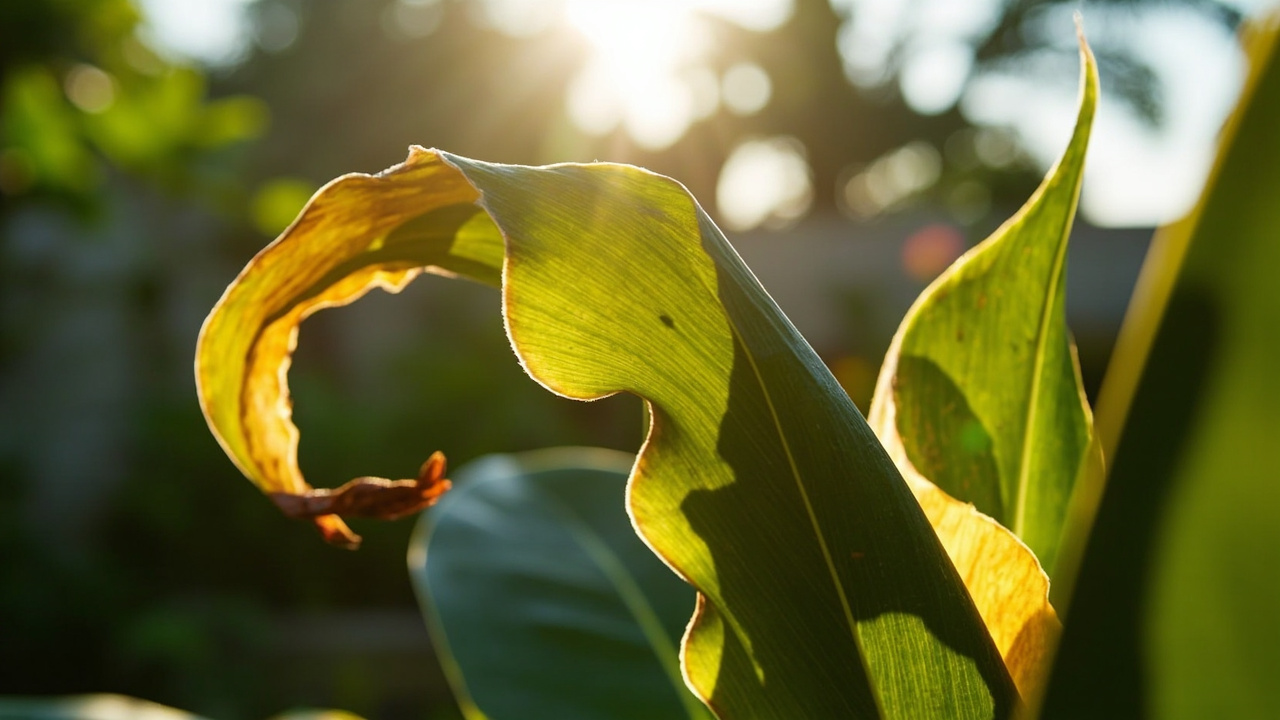
Confirm it: the plant sits in a south or west window with direct sun hitting the leaves for several hours, and the drooping leaves also show pale, bleached, or scorched patches.
Cast iron plants evolved as forest floor shade plants, and direct sun stresses them fast.
Fix: move it to bright, indirect light or filtered light a few feet back from a sunny window. Damaged leaves will not un-scorch, but new growth will come in fine once light is corrected.
The next cause shows up in the leaves themselves before you ever touch the soil.
4. Temperature Shock or Cold Drafts
Confirm it: the plant sits near an exterior door, a drafty window, an air conditioning vent, or has recently been through a cold move or delivery. Drooping often appears suddenly, within a day, rather than building slowly.
Cast iron plants handle a wide range of indoor temperatures but dislike sudden cold shocks below roughly 50°F (10°C).
Fix: relocate away from the draft or vent and keep it somewhere steady between 60 and 75°F (16 to 24°C). Sudden-onset drooping from cold shock often resolves within a few days once conditions stabilize.
If the drooping came on that fast, this is worth ruling in or out before you assume anything about watering.
5. Root-Bound Pot
Confirm it: it has been two or more years since repotting, water runs straight through without soaking in, and roots are visible circling at the drainage holes or pushing up at the soil surface.
A root-bound plant cannot take up water evenly even when you water correctly, so it droops despite a normal watering routine.
Fix: repot into a container one size up, roughly two inches wider in diameter, with fresh potting mix. Tease apart tightly circled roots gently before repotting.
Sometimes the cause is not care at all but something eating the plant from the inside out.
6. Pests, Especially Spider Mites or Scale
Confirm it: flip leaves over and check the undersides and where leaves meet the stem. Fine webbing, tiny moving specks, or small brown bumps that scrape off with a fingernail all confirm an infestation.
Stressed, drooping plants attract pests more easily, so this can be a cause or a consequence.
Fix: isolate the plant, wipe leaves down with a damp cloth, and treat with insecticidal soap or horticultural oil, following the product label exactly on timing and reapplication.
Once you have checked all six, the next step is telling them apart when more than one seems possible.
How to Tell the Causes Apart
Where it starts matters. Overwatering and root rot usually hit the oldest, outermost leaves first. Underwatering droops the whole plant somewhat evenly. Sun scorch shows up specifically on leaves facing the light source.
Cold shock and root-bound stress tend to affect newer leaves or the whole plant suddenly, rather than progressing gradually leaf by leaf.
Pest damage often pairs drooping with visible spots, stippling, or webbing you can find on close inspection.
Once you have narrowed it down, the real question becomes whether the plant is actually going to make it.
Will It Recover?
Underwatering, cold shock, and pests all have good recovery odds once corrected, often within days to a couple of weeks. The plant is simply reacting to stress, not permanently damaged.
Overwatering caught early recovers well once you let the soil dry and adjust your habits. Caught late, with rot advanced through most of the root ball, the plant may need aggressive trimming and sometimes does not survive if more than half the roots are gone.
Sun scorch never reverses on the damaged leaves themselves, but new growth comes in normal once light is fixed. Leave the scorched leaves on until they fully brown, since they still feed the plant somewhat in the meantime.
Root-bound plants bounce back reliably after repotting, usually showing improvement within two to four weeks.
Cast iron plants are genuinely tough and forgiving, so if you catch the cause early, the odds are in your favor almost every time.
Getting it right this time is one thing, keeping it from happening again is the part that actually saves the plant long term.
How to Keep It From Happening Again
Water on a check-first schedule, not a calendar. Stick a finger two inches into the soil before every watering, and only water when it comes out dry.
Keep the plant in bright, indirect light, a few feet from an east or north window or shaded from direct south or west sun.
Repot every two to three years, and choose a pot with drainage holes every single time, no exceptions.
Keep it away from heating and cooling vents and exterior doors that let in cold blasts.
Check leaf undersides every few weeks so pests never get a head start.
With those habits in place, drooping becomes rare, and when it does happen, you already know exactly how to run the diagnosis.
Diagnosis Checklist
- Press a finger two inches into the soil: if damp or cold, suspect overwatering, if bone dry, suspect underwatering.
- Lift the pot: if unusually heavy, lean toward overwatering, if unusually light, lean toward underwatering.
- Check the light: if the plant sits in direct sun several hours a day, suspect sun scorch, especially if leaves show pale or bleached patches facing the window.
- Note the timing: if drooping appeared suddenly within a day near a vent or draft, suspect cold shock.
- Check the pot: if roots circle the drainage holes or water runs straight through, suspect root-bound stress.
- Flip a few leaves over: if you see webbing, specks, or bumps, suspect pests and isolate the plant immediately.
- Note which leaves drooped first: oldest outer leaves point to overwatering, even overall drooping points to underwatering, sudden whole-plant droop points to cold or roots.
- Match your findings to the fix above and make one change at a time so you know what actually worked.
Cast iron plants forgive a lot, but they still tell you exactly what went wrong if you know where to look.
Fix the cause, give it a few weeks, and new growth will tell you if you got it right.