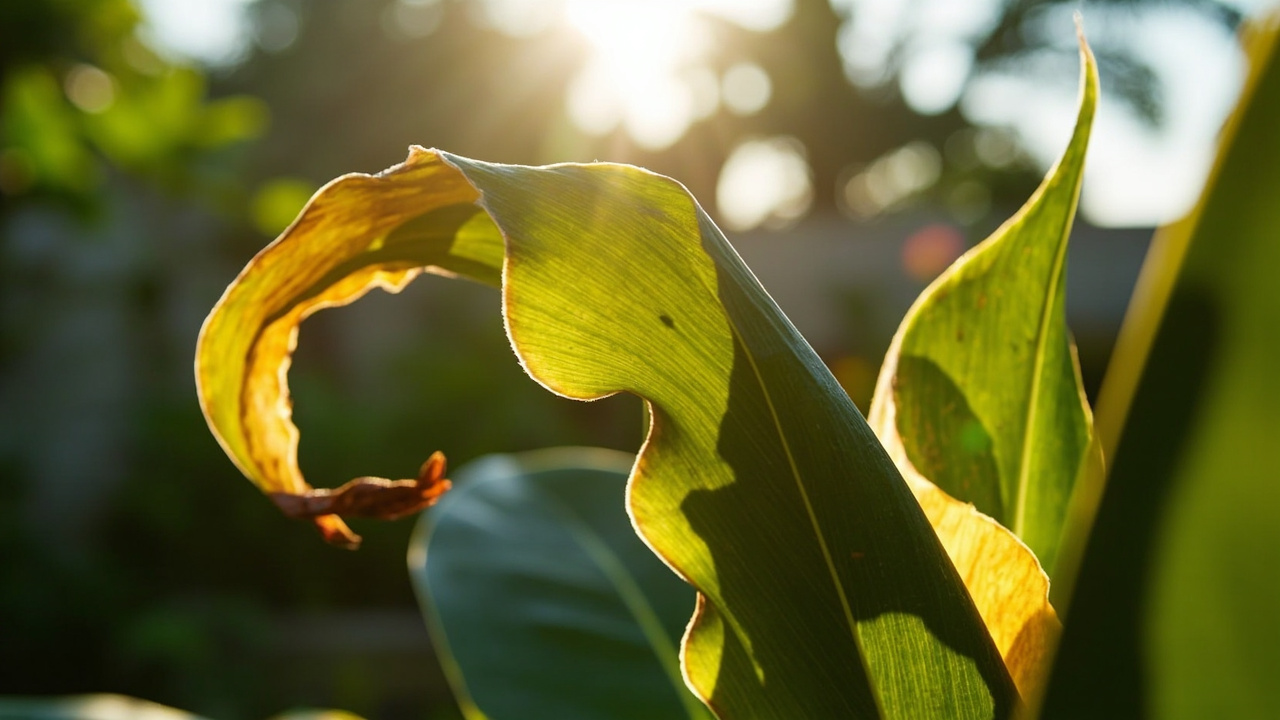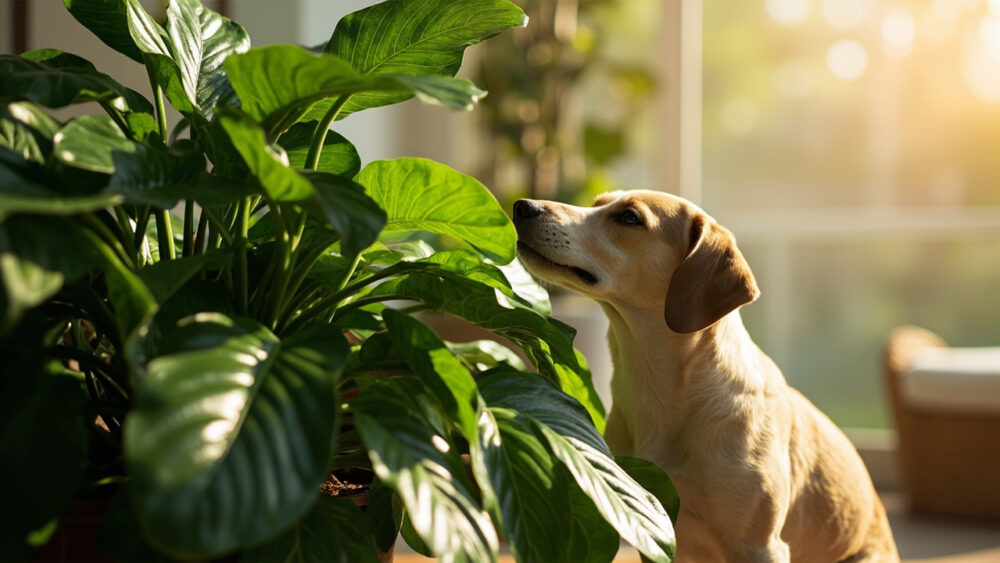
Yes, ZZ plant (Zamioculcas zamiifolia) is toxic to dogs. Every part of the plant contains calcium oxalate crystals, and chewing or eating any part of it can cause mouth irritation, drooling, and stomach upset. It is not typically life-threatening, but it is unpleasant for the dog and worth taking seriously.
Here is what most pet owners actually want to know beyond the yes: how much exposure it takes to cause a real problem, what the reaction looks like versus a plant that is genuinely dangerous, and whether that popular houseplant sitting on your shelf is even the same plant you think it is. There is also a common mix-up with a very different, much more toxic plant that shares part of the name, and it changes the whole conversation.
Stick with me through the details and you will know exactly what to watch for and what to do. There is a save-able quick-reference card at the very bottom that sums up the whole thing in a few lines.
The Plain Answer: ZZ Plant Is Toxic, Not Deadly
ZZ plant sits in the “toxic but rarely severe” category. It is not the same tier as lilies, sago palm, or oleander, which can cause organ failure or death.
The active irritant is insoluble calcium oxalate crystals, present in the leaves, stems, and the underground rhizome (the thick, potato-like storage root). These crystals act almost like microscopic glass shards when chewed, causing immediate mechanical irritation to the mouth and throat rather than a slow-acting poison.
Most dogs actually self-limit here. One bite of ZZ plant tastes and feels bad enough that many dogs spit it out and leave the rest alone.
That is a real mercy, but it is not a guarantee, and the amount eaten still matters.
How Much It Takes to Cause Trouble
A curious lick or a single nibble on a leaf tip usually causes mild, short-lived irritation at most. A dog that chews through several leaves, or worse, digs up and gnaws the rhizome, is a different situation entirely.
Small dogs and puppies are at higher risk for a given amount eaten simply because there is less body weight to dilute the irritation. A Great Dane mouthing one leaf and a ten-pound terrier eating three leaves are not the same event.
The rhizome is the most concentrated part of the plant, so a dog that has access to a ZZ plant’s pot and decides to dig is the scenario that worries me most.
Next, here is what that reaction actually looks like in real time.
Signs Your Dog Ate ZZ Plant
Watch for these general signs after any suspected chewing or ingestion:
- Drooling or pawing at the mouth
- Difficulty swallowing or apparent mouth pain
- Vomiting
- Reduced appetite or reluctance to eat
- Swelling of the lips, tongue, or throat area in more significant exposures
- Visible plant material, chewed leaves, or a disturbed pot nearby
Symptoms usually start within minutes to a couple of hours of chewing, since the irritation is mechanical rather than something that has to be digested and absorbed first.
If your dog is showing any of these signs, do not wait to see if it passes on its own.
What To Do If Your Dog Ate ZZ Plant
Call your veterinarian or a pet poison helpline right away for any suspected ingestion, even if the dog seems fine. Mild-looking cases can still benefit from professional guidance, and swelling in the throat is worth ruling out early rather than late.
Before you call, try to gather a few things that will speed up the conversation: roughly how much plant material is missing or chewed, how long ago it happened, your dog’s approximate weight, and any symptoms you have already noticed.
If you can safely do so, rinse visible plant sap from your dog’s mouth with water, and remove any remaining chewed leaves from reach.
Do not attempt to induce vomiting or give any home remedy on your own. Let the vet direct next steps based on your dog’s specific situation.
Once that call is made, it is worth understanding why so many people get confused about which “ZZ” they even have.
The Mix-Up That Changes Everything: “ZZ” vs. Sago Palm
If you searched this because you saw the word “Zamia” or heard someone call a different plant a “ZZ,” pause here. This is the loop worth resolving carefully.
True ZZ plant (Zamioculcas zamiifolia) is the glossy, dark green houseplant with thick upright stems and rounded, waxy leaflets, commonly sold in low-light plant sections of grocery and hardware stores. That is the moderately irritating plant described above.
Sago palm (Cycas revoluta) is a completely different plant, sometimes casually and incorrectly grouped with “zamia-type” plants because of an old, unrelated naming overlap in the cycad family. Sago palm is genuinely dangerous, capable of causing liver failure and death in dogs, especially from the seeds.
If you are unsure which plant you actually own, treat it as the more dangerous one until a vet or plant ID confirms otherwise. A photo of the whole plant, including how the leaves attach to the stem, usually settles it fast.
Knowing exactly what is on your shelf is half the battle, so let’s talk about what to put there instead if you want zero guesswork.
Safer Look-Alike Plants for Dog Households
If you love the ZZ plant’s low-maintenance, glossy-leaved look but want to remove the risk entirely, a few substitutes get you close:
- Parlor palm (Chamaedorea elegans): non-toxic, similarly low-light tolerant, feathery rather than waxy foliage
- Ponytail palm (Beaucarnea recurvata): non-toxic, dramatic architectural shape, very forgiving of neglect
- Calathea varieties: non-toxic, bold patterned leaves for a similar “statement plant” effect
- Cast iron plant (Aspidistra elatior): non-toxic, nearly as tough and shade-tolerant as ZZ plant itself
None of these need the constant vigilance a ZZ plant demands in a household with a chewer.
That peace of mind alone is often worth the swap, but if you are keeping your ZZ plant, the card below is what to save.
ZZ Plant: Quick Reference
- Toxic to dogs: yes, all parts, due to insoluble calcium oxalate crystals
- Most concentrated part: the underground rhizome, more irritating than the leaves
- Typical severity: mild to moderate mouth and GI irritation, rarely life-threatening on its own
- Common signs: drooling, pawing at the mouth, vomiting, reduced appetite, possible swelling
- What to do: call your veterinarian or a pet poison helpline for any suspected ingestion, no home dosing or remedies
- Watch for confusion with: sago palm (Cycas revoluta), a much more dangerous plant sometimes mislabeled with a similar name
- Safer alternatives: parlor palm, ponytail palm, calathea, cast iron plant
A ZZ plant and a curious dog can coexist, but only with the pot out of paw’s reach and a phone number for your vet saved ahead of time.
When in doubt about what your dog actually ate, the call costs you nothing and the wait costs you time you cannot get back.