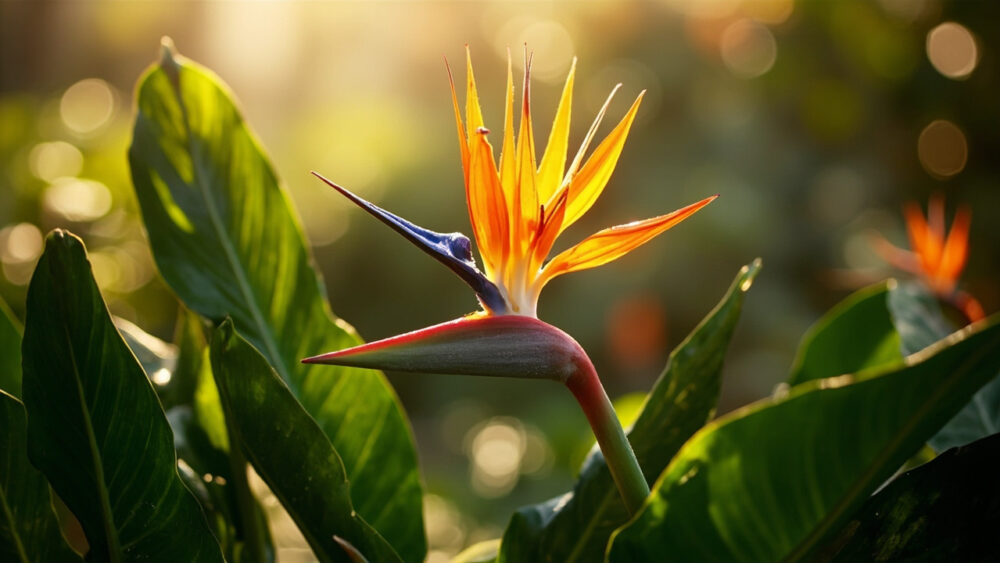
Water bird of paradise about once a week in spring and summer, and every 10 to 14 days in fall and winter, but that number only matters after the soil passes a check you do with your finger, not your calendar. This plant wants a good soak followed by real drying time, not a sip on a schedule. Get the drying part wrong and you will not know it for weeks, which is exactly how most of these plants die.
Here is the part almost nobody tells you: the mistake that kills most bird of paradise plants is not underwatering. It is watering on a fixed schedule regardless of what the soil is actually doing, which drowns roots slowly enough that you blame something else entirely.
I will walk through the honest schedule, how to check instead of guess, the tell-apart signs everyone mixes up, and the seasonal shifts that catch people off guard. Save-this-to-your-phone card is at the bottom once you have the full picture.
The Honest Watering Schedule, and What Changes It
In active growth (spring through summer, when your bird of paradise is pushing new leaves), water roughly every 7 days. In a bright room with warm temperatures and a plant in a terra cotta pot, that can drop to every 5 days. In a low-light apartment corner with a plastic pot, it can stretch to 10 days even in summer.
Pot material, light level, room temperature, and pot size all move that number. A rootbound plant in a small pot dries out fast. A recently repotted plant in a large pot full of fresh soil holds moisture much longer and needs more patience than you expect.
There is no universal number that works for every home, only a range and a method for finding your version of it.
Stop Guessing: The Finger Test, Pot Weight, and Leaf Cues
If you assumed you should water when the top of the soil looks dry, that guess is what causes most of the overwatering in the first place. Topsoil dries in a day or two regardless of what is happening at the roots. It tells you almost nothing.
Push a finger 2 to 3 inches into the soil instead. If it feels cool and damp, wait. If it feels dry and crumbly at that depth, water. That depth is where the active roots actually are, and it is the only honest read you can get without a moisture meter.
Pot weight is the second check, and it is the one experienced growers rely on most. Lift the pot right after a thorough watering and notice how heavy it is. Lift it again in a few days. A pot that still feels heavy still has water to give.
Leaves add a slower, later signal. Slight drooping with soil that is dry 2 to 3 inches down means thirsty. Slight drooping with soil that is still damp means something else, and you will meet that something else in the next section.
Once you trust your finger and your hands, you stop needing a calendar at all.
How to Actually Water It, Not Just When
Water until it runs freely from the drainage holes, not just until the top inch looks wet. A shallow splash wets the top layer and leaves the root ball dry underneath, which trains roots to stay shallow and weak.
Let the pot drain fully for 15 to 20 minutes, then dump any water sitting in the saucer. Bird of paradise roots sitting in standing water for days is one of the fastest routes to rot, even if your watering frequency is otherwise correct.
If you can, water with room-temperature water rather than cold straight from the tap, especially in winter. Cold water on warm roots is a minor stressor, not a disaster, but it adds up over a season.
A deep, thorough soak followed by a real dry-down beats a light daily splash every time.
Overwatered or Underwatered: How to Actually Tell Them Apart
This is the honest answer to the question you are probably about to ask, because both problems can look almost identical from across the room.
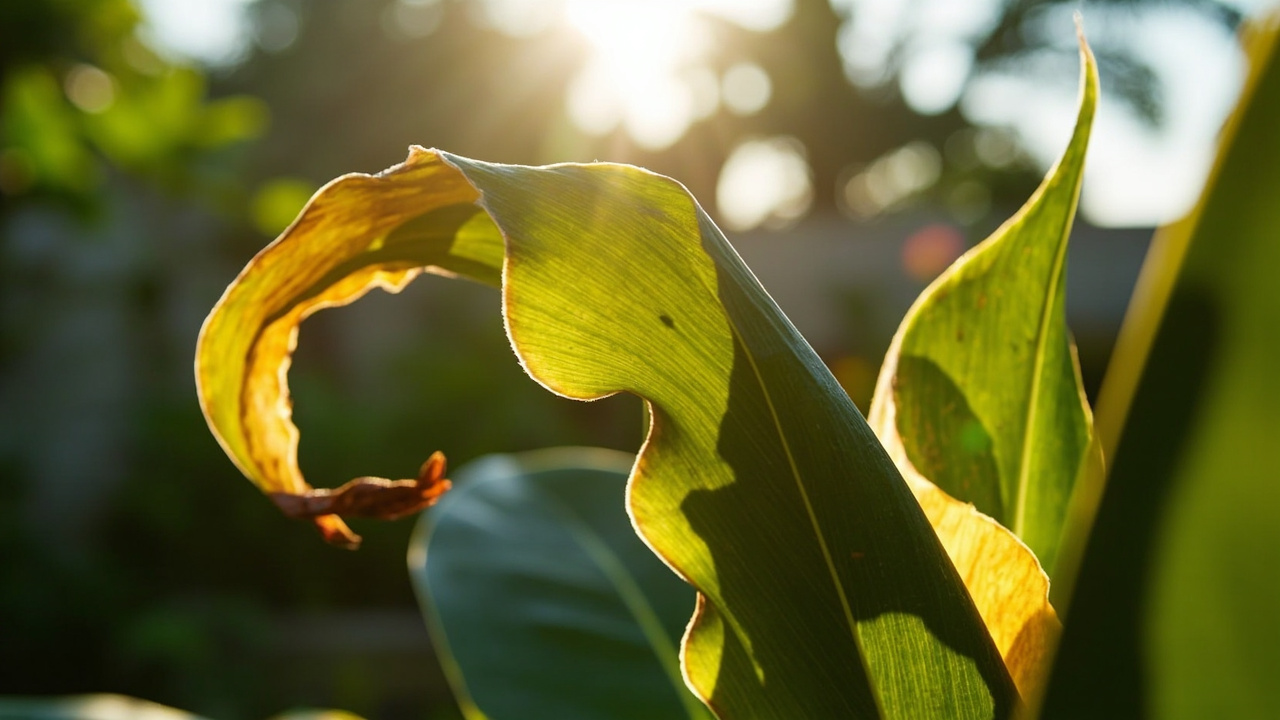
Underwatered leaves curl inward lengthwise, feel dry and slightly crisp at the edges, and the soil test comes back bone dry 2 to 3 inches down. New growth is stunted or absent, and the whole plant looks thirsty and deflated rather than sick.
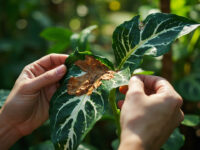
Overwatered leaves turn yellow starting at the base of the plant, sometimes with brown spots that stay soft rather than crisp. The soil test comes back wet or cool at depth even days after the last watering. In bad cases you will notice a sour or rotten smell near the soil line, which means roots are already dying.
- Crisp, curling, dry soil at depth: underwatered, water it now.
- Yellow, soft, wet soil at depth days later: overwatered, let it dry out fully before the next drink.
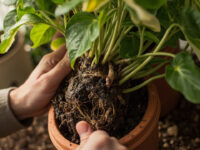
- Black or mushy stems near the base: possible root rot, which may require unpotting to check the roots and trimming away anything black and slimy.
Root rot caught early can sometimes be saved by cutting back watering and improving drainage, but a plant with extensive black, mushy roots is an honest loss more often than a fixable one.
Next comes the shift that catches even experienced growers off guard every single year.
Adjusting for Fall, Winter, and Growth Slowdowns
When light drops and growth slows in fall and winter, water demand drops with it, often by close to half. A plant drinking weekly in July may only need water every 10 to 14 days by January, even in a heated home.
The mistake here is habit, not neglect. People keep the summer schedule going out of routine, and the plant sits in slowly drying but still-damp soil far longer than it should, right when it is least able to use that water.
Indoor heating dries air but does not dry soil the same way it dries skin, so do not let dry-feeling air fool you into watering a pot that is still wet at depth. Trust the finger test through every season, not just summer.
If your bird of paradise moves outdoors for summer, expect it to need water more often in wind and direct sun, then readjust again when it comes back inside.
Get the seasonal slowdown right and the rest of the year mostly takes care of itself.
Bird of Paradise at a Glance
- How often to water: about every 7 days in spring and summer, every 10 to 14 days in fall and winter, adjusted by the finger test.
- How to check before watering: push a finger 2 to 3 inches into the soil, water only when it feels dry and crumbly at that depth.
- How much to water: water thoroughly until it runs from the drainage holes, then empty the saucer after 15 to 20 minutes.
- Light needs: bright light, ideally a few hours of direct sun, which supports the growth that drives its water use.
- Underwatered signs: leaves curl lengthwise and feel crisp, soil is dry well below the surface.
- Overwatered signs: lower leaves yellow and feel soft, soil stays wet at depth days after watering, possible sour smell at the base.
- Pot and soil: use a pot with drainage holes and a fast-draining potting mix, terra cotta helps prevent soggy roots in low light.
When in doubt, wait a day and check again rather than water on a guess. Bird of paradise forgives a late drink far more easily than a soggy one.