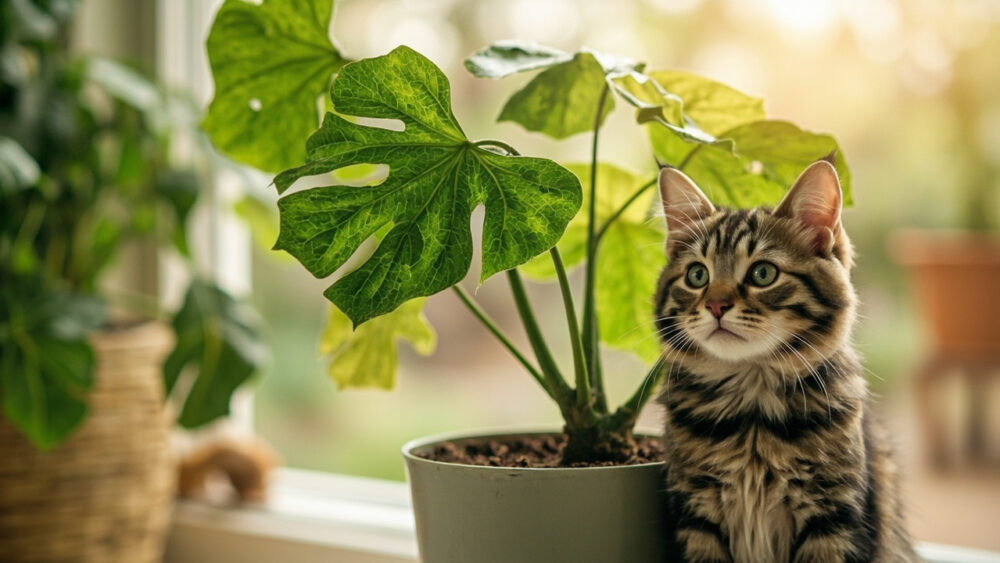
Yes, fiddle leaf fig (Ficus lyrata) is toxic to cats. The sap contains insoluble calcium oxalate crystals that irritate the mouth, tongue, and digestive tract if a cat bites or chews the leaves or stem. It is not the kind of toxic that causes organ failure, but it is genuinely unpleasant for the cat and worth taking seriously.
The severity depends on how much your cat actually ate and whether they just mouthed a leaf out of curiosity or settled in for a real chew. That difference changes everything about what happens next, and most owners have no idea how to tell which one occurred.
Below you will find the general signs to watch for, exactly what to do if you catch your cat mid-bite, and a handful of cat-safe look-alikes that scratch the same big-leaf, architectural itch. Save the quick-reference card at the very bottom for the next time this question comes up at 11pm.
So Is It Actually Poisonous, or Just Irritating?
Here is the honest distinction, because “toxic” scares people into assuming the worst. Fiddle leaf fig is not the same category of dangerous as lilies, which can cause kidney failure in cats from just pollen contact. It falls into the “oral irritant” category, alongside most other Ficus species and many other common houseplants.
The damage comes from calcium oxalate crystals shaped like tiny needles. When a cat bites into the leaf or stem, those crystals physically puncture the tissue of the mouth and throat. That is what causes the pain and drooling, not a systemic poison working through the bloodstream.
That does not mean you can shrug it off.
Which Parts Are Risky, and How Much Exposure Actually Matters
Every part of the plant carries the irritant sap, but the leaves and stems have the highest concentration since that is where the crystals are most dense. The milky sap that oozes from a cut or torn leaf is the most concentrated exposure a cat can get.
A single curious lick or a paw brushing against a leaf is unlikely to cause a real reaction. The risk climbs sharply once a cat actually punctures the leaf tissue with their teeth, because that is when the crystals get released and embedded in the mouth. Cats that chew on plants out of boredom, teething kittens, and cats that vomit and then investigate the plant they just threw up near are your highest-risk scenarios.
If your fiddle leaf fig has chew marks on the lower leaves, treat that as evidence your cat has already had meaningful exposure, not a one-off taste test.
The Signs That Tell You Something Actually Happened
Watch for immediate, obvious mouth pain: pawing at the face, excessive drooling, and reluctance to eat or swallow. Some cats will shake their head repeatedly or foam slightly at the mouth in the minutes right after biting into a leaf.
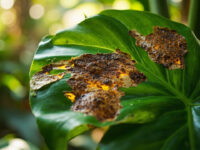
Vomiting and mild lip or tongue swelling are common with a decent-sized bite. You may also notice redness inside the lips or on the tongue if you can safely get a look. Skin contact with the sap on fur can also cause localized irritation and itching where a cat later licks it off.
None of these signs are subtle. A cat that has had a real exposure usually acts uncomfortable within minutes, not hours.
What To Do If Your Cat Ate Fiddle Leaf Fig
Call your veterinarian or an animal poison control line right away if you know or suspect your cat chewed on or swallowed any part of the plant. Do this even if your cat currently seems fine. Some reactions take a little time to show up fully.
Have the plant on hand or take a clear photo of it before you call. Note roughly how much was chewed or missing, and how long ago you noticed it.
Do not try to make your cat vomit, do not rinse the mouth with anything at home, and do not offer food, water, or any remedy before you have spoken with a vet. Some well-meant home responses can make oral irritation worse or mask symptoms your vet needs to see clearly.
Let the professionals tell you the next step, not the internet.
Safer Look-Alikes If You Want the Same Look Without the Worry
If you love the bold, upright, sculptural leaf shape of a fiddle leaf fig but have a chewer in the house, you have real options that are non-toxic to cats.
- Parlor palm (Chamaedorea elegans): feathery, architectural, and genuinely cat-safe.
- Calathea varieties: bold patterned leaves, non-toxic, though many cats find them irresistible to bat at anyway.
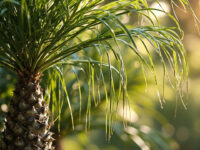
- Ponytail palm (Beaucarnea recurvata): sculptural and sturdy, non-toxic, and tolerates a curious cat’s occasional nibble far better than a fig does.
- Spider plant (Chlorophytum comosum): non-toxic, easy, and most cats treat it like a salad bar with zero consequences.
None of these replace a fiddle leaf fig’s dramatic size, but they get you real green presence without a trip to the vet.
Fiddle Leaf Fig: Quick Reference
- Toxic to cats: yes, due to insoluble calcium oxalate crystals in the sap and leaf tissue.
- Severity level: oral and gastrointestinal irritant, not a systemic or organ-damaging poison.
- Riskiest parts: leaves and stems, especially torn or chewed tissue and exposed sap.
- Common signs: drooling, pawing at the mouth, vomiting, mouth or lip swelling, reduced appetite.
- What to do: call your veterinarian or a poison control line immediately for any suspected ingestion, no home treatment.
- Safer alternatives: parlor palm, ponytail palm, calathea, or spider plant for a similar look with far less risk.
Keep the plant up high or in a room your cat cannot access, and most fiddle leaf fig households never have a problem.
When in doubt about a bite you actually witnessed, the phone call to your vet is always the right first move.