If you’re growing from a nursery tree, expect 3 to 4 years before your first real harvest, sometimes as long as 5 to 13 years if you started from a seed pit on your kitchen counter. That gap is not a typo. It is the single biggest thing people get wrong when they ask how long does it take to grow avocados, and it changes everything about whether your plant is on schedule or way behind.
The honest answer depends on three things: whether you started from seed or a grafted nursery tree, your climate, and whether the tree is in the ground or stuck in a pot indoors. Two people who planted on the same weekend can be years apart in results, and neither one did anything wrong.
Below I’ll walk through the real stage-by-stage timeline, what actually speeds things up versus what’s a waste of time, and how to tell if your tree is just slow or genuinely stalled. Stick around for the quick-reference card at the bottom, it’s the save-able version of everything here.
Seed-Grown vs Grafted: The Answer Splits Here
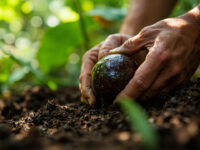
A seed pit you sprouted in water on the windowsill is a genetic gamble. It can take 5 to 13 years to fruit, and some seed-grown trees never fruit reliably at all because they didn’t inherit good traits from the parent tree.
A grafted nursery tree skips that gamble. The top growth is a cutting from a tree that’s already proven it fruits well, grafted onto sturdy rootstock. That’s why grafted trees fruit in 3 to 4 years, sometimes a light first crop at year 2 in ideal conditions.
If you want avocados in your lifetime and not just a nice houseplant, buy grafted.
What Actually Controls the Speed
Climate does more work than most people expect. Avocados want warm, frost-free conditions, roughly USDA zones 9 through 11 outdoors, with steady warmth from spring through fall. A tree in coastal Southern California or South Florida will simply outpace one struggling through short, cool seasons.
Variety matters too. Mexican-type avocados (cold-hardier, smaller fruit) tend to fruit a bit sooner than Guatemalan or West Indian types. Hass, the grocery-store standard, is a Mexican-Guatemalan hybrid and a reasonably common middle-ground choice for home growers.
Container-grown trees, especially indoors, are the slowest of all. Limited root space and lower light mean slower growth and a real chance fruiting never happens without a greenhouse or very bright, warm indoor setup.
Your yard’s microclimate is doing more to your timeline than your gardening skill is.
The Stage-by-Stage Timeline
Here’s roughly what to expect if you’re growing outdoors in the right zone with a grafted tree:
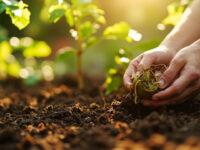
- Year 1: establishing roots, modest top growth, no flowers yet.
- Year 2: noticeable size increase, possibly a few flowers that drop without setting fruit, which is normal.
- Year 3 to 4: real flowering, some fruit set, first small harvest.
- Year 5 and beyond: yields climb steadily and keep increasing for years as the tree matures.
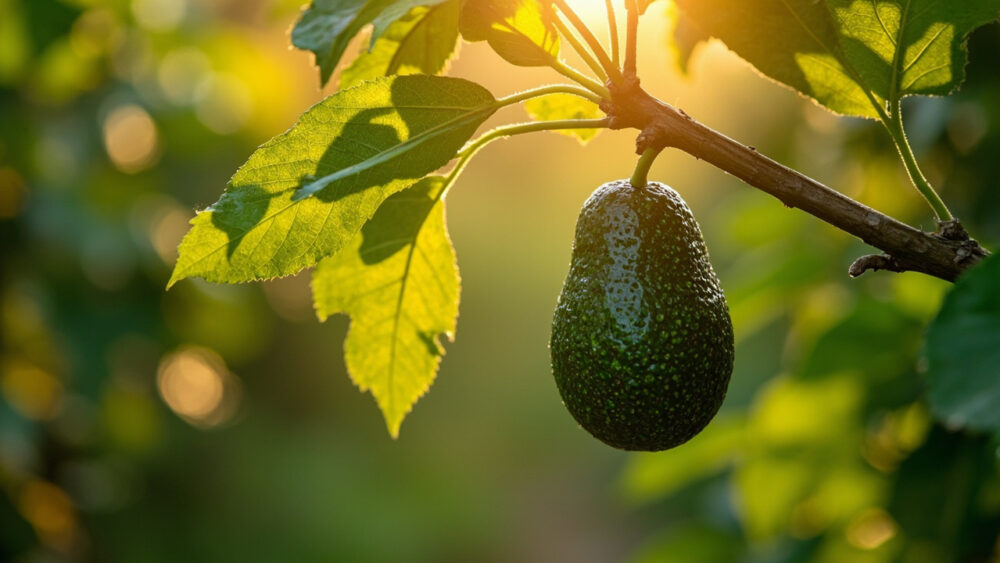
Once fruit sets, it hangs on the tree for 6 to 12 months before it’s ready, depending on variety. Avocados do not ripen on the branch. You pick them mature, then they soften on the counter over several days.
That long on-tree hang time is its own kind of patience test.
How to Speed It Up, and What Doesn’t Work
Legitimate speed-ups: start with a grafted tree, plant in full sun with well-draining soil, water consistently but never let roots sit soggy, and feed with a balanced fertilizer formulated for citrus or avocado during the growing season. Protecting young trees from frost and wind stress keeps growth from stalling out.
A warm, sheltered spot against a south-facing wall can shave real time off the wait in borderline climates.
What doesn’t work: heavy nitrogen dumps, forcing bloom with random hacks, or assuming a bigger pot alone will get an indoor tree to fruit. Avocados also need a certain amount of maturity in the wood itself before they’ll flower seriously, and no feeding schedule shortcuts that.
Pruning to a manageable size is fine and often helps fruit production long-term, but heavy pruning on a young tree just delays fruiting further.
More fertilizer is never the fix people hope it is.
Slow Tree or Stalled Tree: How to Tell
If your tree is putting on new leaves and some height each season, it’s on track even without fruit yet. That’s normal patience, not a problem.
Signs of an actual stall: no new growth for a full season, yellowing leaves with no new flush, or a tree that’s been the same size for two-plus years. That usually points to poor drainage, root-bound container growth, insufficient light, or cold stress rather than simple slowness.
Avocado roots hate wet feet. Standing water or heavy clay soil is the most common silent killer of an otherwise healthy-looking young tree.
If your tree fits the stalled description rather than the slow one, the fix is almost always drainage or light, not fertilizer.
Avocados: Quick Reference
- Grafted tree to first fruit: 3 to 4 years, sometimes a light crop at year 2.
- Seed-grown tree to first fruit: 5 to 13 years, and fruit quality is unpredictable.
- Best climate: USDA zones 9 to 11, frost-free with warm, steady seasons.
- Time fruit hangs on the tree once set: 6 to 12 months, ripening happens off the tree after picking.
- Container or indoor growing: slowest path, fruiting is uncertain without strong light and warmth.
- Biggest speed factor you control: starting grafted, full sun, and well-draining soil.
Patience is genuinely the main ingredient here, not skill. Get the variety and drainage right, and the years take care of themselves.