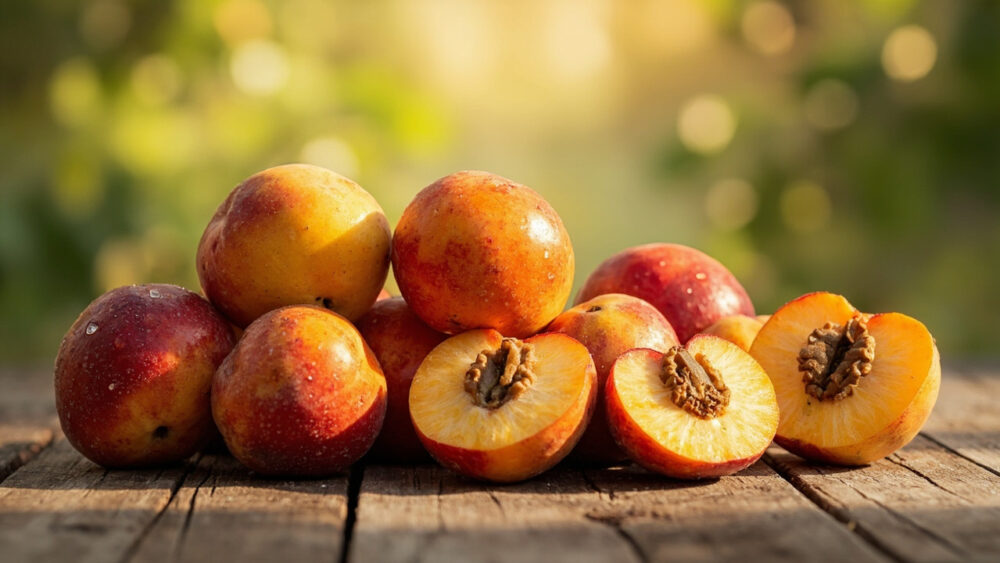
The fastest way to sort out types of nectarines is by flesh color and pit attachment: yellow-fleshed freestone varieties dominate backyard orchards because the pit falls free of the flesh at ripeness, while white-fleshed types are sweeter and lower in acid but bruise easier and rarely ship well, which is exactly why you almost never see them at the grocery store. Once you know that split, the rest of the choice comes down to chill hours, ripening window, and whether you want one tree or a whole harvest season.
Most beginners grab whatever nectarine tree the nursery has in stock, usually a mid-season yellow freestone, without checking if their winters are cold enough to satisfy its dormancy requirement. That single mismatch causes more disappointing harvests than any pest or disease ever will.
Below you will find 15 real nectarine types grouped by what actually matters when you are choosing one: color, season, and use. Number 13 is the one experienced growers pick quietly and rarely talk about, because it does something most nectarines cannot. The full lineup, plus the exact method for narrowing this down to the one tree that fits your yard, waits at the bottom.
Classic Yellow Freestones
These are the nectarines everyone pictures, firm gold skin blushed red, flesh that pulls clean off the pit.
1. Fantasia
The benchmark mid-season variety grown across California and the warmer end of the nectarine belt. Fantasia ripens in mid to late summer, bears heavily on a vigorous tree, and needs around 400 to 500 chill hours, making it a solid pick for zones 5 through 9.
2. Independence
An early-season freestone that beats most other varieties to harvest by two to three weeks. The fruit is smaller than Fantasia’s but the flavor is bright and the tree sets fruit reliably even after a cool, wet spring.
3. Fairtime
A late-season workhorse that stretches the harvest into early fall in mild climates. Fairtime holds on the tree well past ripeness without going mealy, which makes it forgiving for gardeners who cannot pick the moment fruit is ready.
4. Red Gold
A deep red-skinned freestone with rich, almost tangy yellow flesh and one of the more cold-hardy chill requirements in this group, tolerating winters down into zone 5 with reliable dormancy. Growers who want a nectarine that looks as good in a bowl as it tastes usually land here.
Yellow freestones are the safe choice, but the sweetest fruit you will ever eat off a nectarine tree is almost always white-fleshed.
White-Fleshed Types
Lower acid, higher sugar, and far more delicate, these are the nectarines serious home growers plant for eating fresh off the tree since they rarely survive a trip to market.
5. Arctic Snow
A late-summer white freestone with a honeyed sweetness that yellow varieties cannot match. The skin bruises easily and the fruit softens fast, so this one is strictly a backyard tree, not a shipping variety.
6. Arctic Glo
An earlier white-fleshed sibling to Arctic Snow, ripening a few weeks sooner with a slightly firmer bite. It is the better pick if you want white-flesh flavor but need the fruit to hold a day or two after picking.
7. Snow Queen
One of the older white nectarine varieties still widely planted for its balance of sugar and a faint floral note. Snow Queen needs a warmer climate to fully ripen, doing best in zones 7 through 9 with long, hot summers.
8. Heavenly White
A newer white freestone bred for slightly better firmness without losing the low-acid sweetness the group is known for. It is a reasonable middle ground for gardeners who love white nectarines but got burned by how fast Arctic Snow turns.
If you assumed white always means better flavor across the board, the truth is it also means a much shorter window before the fruit goes soft.
Clingstone and Dwarf Types for Small Spaces
Clingstone fruit holds tight to the pit, which sounds like a downside until you taste what these varieties are actually bred for.
9. May Grand
An early clingstone valued for firm, tangy-sweet flesh that holds its shape well, which is exactly why it shows up in canning and preserving more than eating fresh off the tree. The clinging pit makes fresh eating messier, but the flavor concentrates beautifully when cooked.
10. Necta Zee
A genetic dwarf variety that tops out around 5 to 6 feet, bred specifically for containers and small yards. It still produces full-size, full-flavor yellow freestone fruit, just on a tree you can prune from a step stool.
11. Garden Delight
Another true dwarf similar in size to Necta Zee but ripening slightly later, with sweet yellow flesh and enough cold tolerance for zone 5 winters. Anyone gardening on a patio or in raised beds should be comparing these two dwarfs before anything else on this list.
Small trees solve the space problem, but the next category solves a different one: what to do when one tree is not enough variety.
Extended-Season and Specialty Nectarines
These varieties exist to stretch your harvest window or hand you something genuinely different from the standard round, fuzzy-adjacent fruit.
12. Sunglo
A very early yellow freestone, often the first ripe nectarine of the season in warmer zones, ready as much as a month ahead of Fantasia. The tradeoff is a slightly smaller fruit and a narrower harvest window, so plan to eat or preserve fast.
13. Nectarina Flat White (Donut Nectarine)
A flattened, donut-shaped white variety that most people have never grown because it rarely shows up at nurseries, yet it consistently produces some of the sweetest, lowest-acid fruit of any type here. It is genuinely fussier to prune given its flattened growth habit, but the flavor is why quiet, experienced growers keep one tucked in a back corner instead of bragging about it.
14. Double Delight
An ornamental-leaning variety with striking pink spring blossoms that rival a flowering peach, followed by good yellow freestone fruit later in the season. It earns a spot for gardeners who want a productive tree that also does real work as a landscape feature.
15. Panamint
A late-season yellow clingstone bred for hot interior valleys, holding fruit quality through high summer heat that causes softer varieties to break down early. If your summers regularly hit the mid-90s and beyond, this is one of the few types built to shrug that off.
How to Choose the Right One
Save this part. It is the method that actually narrows fifteen varieties down to one tree.
- Check your space first: full-size trees need 12 to 15 feet of spread, dwarf types like Necta Zee or Garden Delight fit patios and containers in 6 to 8 feet.
- Match chill hours to your winters: cold-winter zones 5 and 6 need higher chill varieties like Red Gold, mild zones 8 and 9 can grow lower-chill types like Snow Queen without issue.
- Decide fresh eating versus preserving: white-fleshed and dwarf varieties are for eating off the tree, clingstone types like May Grand or Panamint hold up better to canning and cooking.
- Pick your harvest window: stack an early type like Sunglo or Independence with a late one like Fairtime or Panamint if you want nectarines for two months instead of two weeks.
- Be honest about your care appetite: white-fleshed and flat types bruise and soften fast and need picking right on time, yellow freestones are far more forgiving of a missed weekend.
Pick based on your winters and your patience, not the prettiest photo on the plant tag, and the tree will actually earn its space.