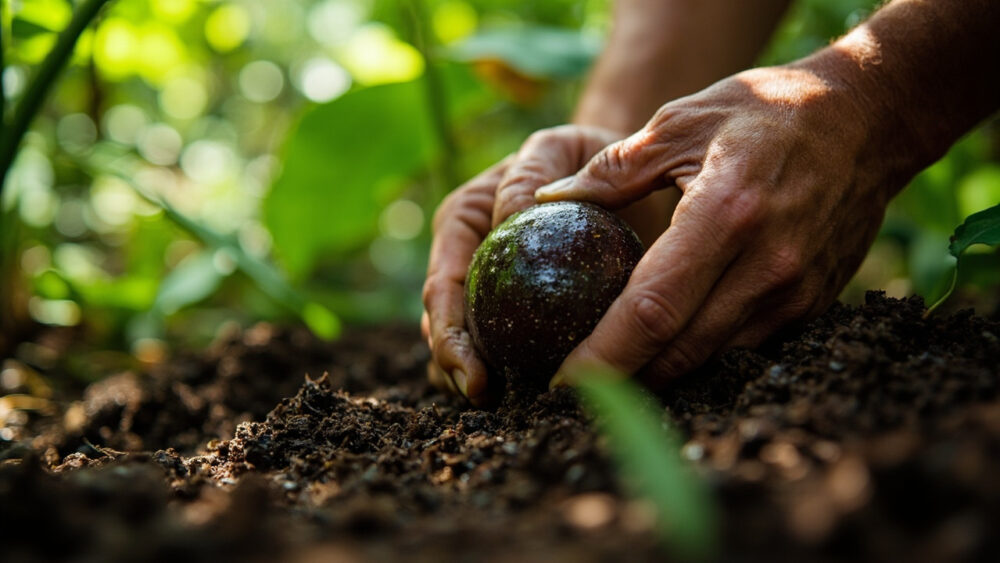
Growing soursop from seed starts with fresh seed straight out of ripe fruit, sown within a few days at about half an inch deep in a loose, well-draining mix, kept at 75 to 85°F. Germination is slow and uneven, often taking 20 to 40 days, sometimes longer, and that alone convinces a lot of people something has gone wrong when nothing has.
Soursop is a true tropical, hardy only in USDA zones 10 through 12, and everywhere else it is a container or greenhouse project. That changes almost every decision from soil to overwintering, and most guides written for mango or citrus growers skip right past it.
There is one mistake that kills more soursop seedlings than pests, cold, or bad luck combined, and it happens at the transplant stage, not the seed stage. There is also a sign on the seed itself that tells you whether it is even worth planting, and most people never check it. Stick with me through the sections below and you will get both, plus a save-able Soursop at a Glance card at the very bottom with the numbers worth keeping on your phone.
When to Start Soursop Seeds
Soursop does not care about your last frost date the way tomatoes do, because it never goes outside until nighttime temperatures are reliably above 60°F. If you are in a true tropical or near-tropical climate, you can sow seed almost any time. Everyone else should start seed indoors 8 to 10 weeks before the outdoor growing season warms up, so the seedling has size on it before it ever faces open air.
Direct sowing outdoors only makes sense in zones 10 to 12 where soil stays warm year-round. Anywhere cooler, indoor starting under consistent warmth is not optional, it is the only way germination happens at all.
Next comes the part most people rush: what the seed actually needs to sprout.
Sowing Soursop Seed Step by Step
Here is the guessable mistake first. Most people assume any seed from a store-bought soursop will grow, the same way any tomato seed grows. Soursop seed viability drops fast once it dries out or sits around, so a seed that looks fine but has been out of the fruit for a couple of weeks may already be dead weight.
Steps
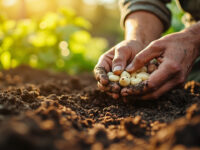
- Select and clean: pull seeds from a fully ripe, soft fruit, rub off the pulp, and sow within 2 to 5 days for the best odds.
- Depth: plant about 1/2 inch deep, laid on its side, in a pot at least 4 inches deep.
- Medium: a loose mix of half potting soil and half coarse sand or perlite, so it drains fast and never sits soggy.
- Temperature: keep the medium at 75 to 85°F, using a seedling heat mat if your indoor space runs cooler than that.
- Light: bright, indirect light is enough before sprouting, moved to direct sun once true leaves appear.
Get the seed fresh and the warmth consistent, and you have done the part that actually determines success.
Germination: What to Expect and When to Actually Worry
Soursop germination is slow by nature, typically 20 to 40 days, and stretches to 60 days or more in cooler or inconsistent conditions. If you assumed no sprout by day 14 means a dead seed, that guess sinks more soursop attempts than any pest ever does.
The real warning sign is not slowness, it is softness. Press gently near the seed. If the medium smells sour or the seed has gone spongy and dark, rot has set in and that one is not coming up. Otherwise, keep the medium moist but never waterlogged and let the clock run.
Bottom heat speeds things up more than any other single factor, sometimes cutting the wait by a third.
Once you see a pale shoot break the surface, the next challenge is keeping it alive long enough to go outside.
Hardening Off and Transplanting
This is the mistake that ruins more soursop attempts than the seed stage ever does. Growers baby the seedling indoors for months, then move it straight into full sun and outdoor wind in one afternoon, and the leaves scorch or the whole plant collapses within days.
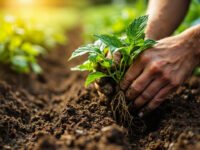
Harden off over 7 to 10 days, setting the seedling outside in shade for an hour the first day and adding an hour or two daily, working it into brighter light gradually. Only transplant once nights stay above 60°F and the seedling has at least 3 to 4 true leaves.
Soursop also despises root disturbance. Move it with the entire root ball intact, ideally by starting it in a pot you can cut away rather than one you have to tug it from.
Get it through this two-week window undamaged and the rest of the season is mostly maintenance.
Spacing and Site for the Transplant
Give soursop room, because it grows into a 10 to 20 foot tree even when kept smaller by pruning. In ground, space trees 12 to 15 feet apart. In containers, start in a 15 to 20 gallon pot and expect to size up as it grows.
Full sun is non-negotiable, at least 6 hours a day, with shelter from strong wind since young trees have brittle branches. Soil should be rich, well-draining, and slightly acidic, around pH 5.5 to 6.5.
Anywhere outside zones 10 to 12, plan on containers you can move indoors before temperatures drop toward 40°F, since soursop has essentially no cold tolerance.
With the site settled, the plant’s needs through the season are fairly forgiving.
Care Through the Season
Water deeply and regularly through the first year, keeping soil moist but not swampy, since soursop roots rot fast in standing water. Once established, it tolerates brief dry spells but grows and fruits better with consistent moisture.
Feed lightly but often during active growth, a balanced fruit tree fertilizer every 6 to 8 weeks in the warm season, tapering off as growth slows.
Watch the leaves for the usual tropical fruit tree troubles: mealybugs and scale cluster on stems and leaf undersides, and anthracnose shows up as dark spots on leaves and fruit in humid, wet conditions. Cultural fixes come first, good airflow, removing fallen debris, and pruning for light penetration. If an infestation or fungal spread gets ahead of you, a labeled horticultural oil or fungicide applied exactly per its label instructions is the next step, not a home mix.
Handle the fruit and foliage with normal care and keep pets from chewing on any part of the plant. Soursop leaves and seeds contain compounds that are considered toxic if ingested in quantity, and any pet that eats plant material and shows vomiting, drooling, or lethargy needs a veterinarian, not a wait-and-see approach.
Good care through year one sets up everything that happens when the tree finally matures.
When Soursop Blooms and Fruits
Here is the honest answer to the question you are about to ask: soursop grown from seed typically takes 3 to 5 years to flower and fruit, sometimes longer in containers or marginal climates. That is a real wait, and no feeding schedule shortens it much.
Flowers appear directly on the trunk and older branches, an odd, almost primitive look compared to most fruit trees. Because soursop’s natural pollinators are scarce outside its native range, many growers hand-pollinate with a small brush to get fruit to set at all.
Fruit takes another 4 to 5 months to mature after a flower is successfully pollinated, ripening when the skin softens and yields slightly to a gentle squeeze, similar to a ripe avocado.
That long wait is exactly why the numbers below are worth saving before you start.
Soursop at a Glance
- When to plant: sow fresh seed indoors 8 to 10 weeks before consistent warmth, or direct sow outdoors in zones 10 to 12 when soil stays warm year-round.
- Depth and medium: half an inch deep, on its side, in a loose mix of potting soil and sand or perlite that drains fast.
- Temperature: 75 to 85°F for germination, using bottom heat if your space runs cooler.
- Germination time: 20 to 40 days typically, up to 60 days in cooler or inconsistent conditions.
- Transplant timing: only after nights stay above 60°F and the seedling has 3 to 4 true leaves, hardened off over 7 to 10 days.
- Spacing and site: 12 to 15 feet apart in ground, or a 15 to 20 gallon container, full sun, wind shelter, slightly acidic well-draining soil.
- Time to fruit: 3 to 5 years from seed, with fruit maturing 4 to 5 months after successful pollination.
The seed does the easy part just by being fresh. Everything after that, warmth, patience through the slow sprout, and a gentle hand at transplant, is what actually gets you to fruit.