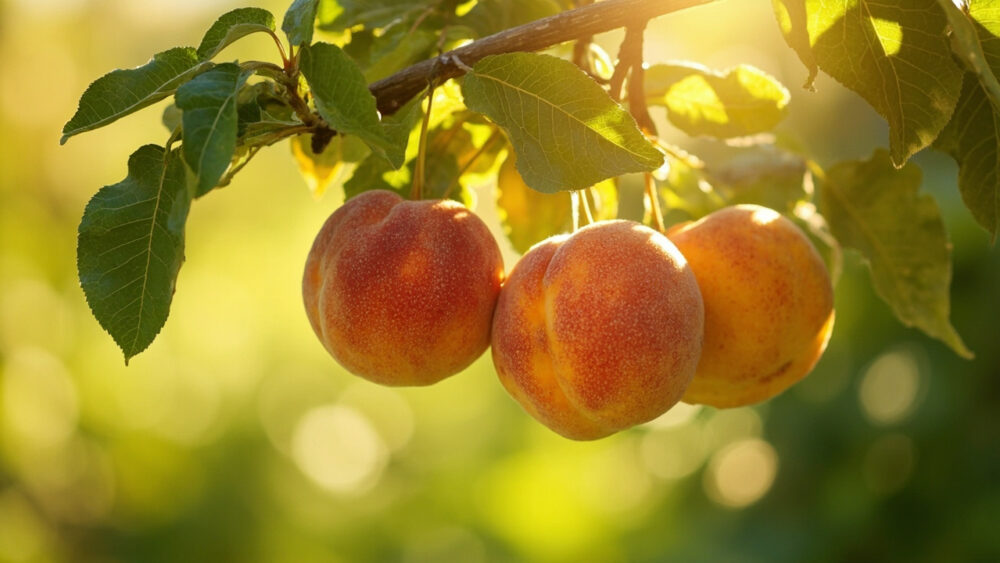
A peach tree takes 2 to 4 years to produce its first real harvest after planting, and if you’re starting from a seed instead of a nursery tree, add another 1 to 2 years on top of that. Most grafted trees bought at a nursery bloom in year one or two but shouldn’t be allowed to fruit heavily until year three, when the roots can actually support the crop. So the honest range for “how long does it take to grow peaches” is anywhere from 2 years (a mature potted tree) to 5 or 6 years (a seed you planted yourself).
That range hides a few things that change your specific answer. Whether you bought a bare-root whip or a 2-year-old tree from a container changes your starting point by a full year or more. Your climate zone changes whether the tree even sets fruit reliably, no matter how old it gets.
Stick around and I’ll show you how to read your own tree’s age and health to guess your real timeline, plus the one mistake that makes people think their tree is “slow” when it’s actually just doing exactly what it should. There’s a save-able quick-reference card at the bottom with the numbers side by side.
The Realistic Timeline, Year by Year
Year 1 after planting a bare-root or young tree is establishment. Expect leaf growth and maybe a few blossoms you should pinch off, not fruit.
Year 2 often brings a light bloom and sometimes a handful of peaches. Let a few ripen if you’re curious about the variety, but don’t expect a real harvest yet.
Year 3 is usually the first legitimate crop, still modest, maybe a few dozen fruits on a full-size tree.
Years 4 to 6 bring the tree into full production, often 50 to 150 pounds of fruit a year on a standard tree, less on a dwarf.
That’s the timeline for a tree that started life already grafted onto rootstock at the nursery.
Growing From a Peach Pit Changes Everything
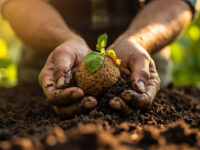
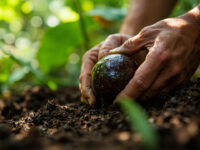
If you’re growing from a seed you saved out of a peach you ate, add real time and real uncertainty. Seed-grown peach trees typically take 3 to 4 years just to reach blooming size, then another year or two to fruit reliably, putting first harvest around year 4 to 6.
Worse, a seed-grown tree is not a copy of the peach it came from. Peaches don’t grow true from seed, so you’ll get fruit, but it may be smaller, blander, or different from the parent.
If you want a known variety with a known timeline, buy a grafted tree. If you want the experiment, plant the pit, but know you’re trading years and predictability for curiosity.
Next, the variables that speed this up or slow it down no matter which route you took.
What Actually Controls the Speed
Climate is the biggest lever you don’t control. Peaches need a real winter, roughly 400 to 900 chill hours below 45°F depending on variety, to break dormancy and bloom properly. Too little chill and bloom is erratic even on a healthy, mature tree.
Rootstock and variety matter almost as much. Dwarf and genetic dwarf trees fruit a year or so sooner than standard trees but produce less total fruit per year.
Site conditions decide whether “on schedule” happens at all. Peaches want full sun, 6 or more hours daily, and well-drained soil. A tree in partial shade or heavy clay can sit at the same size for years, technically alive, never really moving toward fruiting age.
Late frost is the wildcard. A hard freeze after bloom can wipe out an entire year’s crop on an otherwise perfectly timed tree, which has nothing to do with how well you grew it.
So how do you tell if your particular tree is behind schedule or right where it should be.
How to Read Your Own Tree
Look at the trunk diameter near the base. A trunk under about half an inch is still juvenile and unlikely to fruit no matter its calendar age.
Count the branch structure instead of the calendar. A tree with 3 to 5 well-spaced scaffold branches and visible fruiting spurs (short, stubby side shoots, not the long whippy growth) is close to bearing regardless of exact age.
Check for flower buds in late winter. They’re rounder and fatter than the pointed leaf buds; if you see none at all on a 2-year-old-plus tree, something in site or care is holding it back, not just time.
Once you know where your tree actually stands, the next question is what you can legitimately do about it.
Speeding It Up, and What Doesn’t Work
Pruning correctly in the first two years speeds fruiting more than almost anything else, because an open, well-shaped tree channels energy into fruiting wood instead of excess growth. Prune to an open center or modified central leader shape, removing crossing and inward-growing branches each winter while dormant.
Thinning young fruit, even in year two or three, redirects energy into root and branch development rather than a handful of undersized peaches, which pays off the following year.
Correct watering and a balanced fertilizer in spring keep growth steady, but more fertilizer does not mean faster fruiting. Excess nitrogen actually delays fruiting by pushing leafy growth at the fruit’s expense.
There’s no shortcut that turns a 3-year timeline into a 1-year one. Anyone selling you that is selling you something else too.
What legitimately doesn’t help: fruit-set sprays, “bloom boosters,” or heavy pruning done in summer instead of winter.
When Slow Is Normal and When It’s a Problem
If your tree is under 3 years old and hasn’t fruited, that’s normal, not a problem. Don’t panic and don’t overcorrect with more fertilizer or water.
It becomes a real concern if a tree is 4 or more years old, healthy-looking, gets full sun, and still shows no flower buds at all. That usually points to excess nitrogen, insufficient winter chill for your variety, or a graft union planted too deep.
A tree that blooms but drops fruit before ripening is a different problem, usually water stress, a late frost after bloom, or poor pollination, not a timeline issue at all.
Sparse but present fruiting on a mature tree can also mean it just needs its yearly thinning and pruning, not more years.
Here’s the whole timeline and its caveats in one place to save.
Peaches: Quick Reference
- First harvest from a grafted nursery tree: 2 to 4 years after planting, with a full crop by year 4 to 6.
- First harvest from a seed or pit: 4 to 6 years, and the fruit won’t match the parent peach exactly.
- Chill hours needed: roughly 400 to 900 hours below 45°F depending on variety, or bloom will be erratic.
- Sun and soil: 6 or more hours of direct sun daily, well-drained soil, no standing water.
- Dwarf vs standard: dwarf trees fruit about a year sooner but yield less total fruit per season.
- Signs it’s close: trunk over half an inch thick, 3 to 5 scaffold branches, round fat flower buds in late winter.
- Signs of a real problem: healthy 4-plus-year-old tree in full sun with zero flower buds, usually too much nitrogen or too little winter chill.
Give a peach tree the years it needs and it will give you decades back.
Most of what feels like waiting is just the tree building the roots and branches that will carry every future crop.