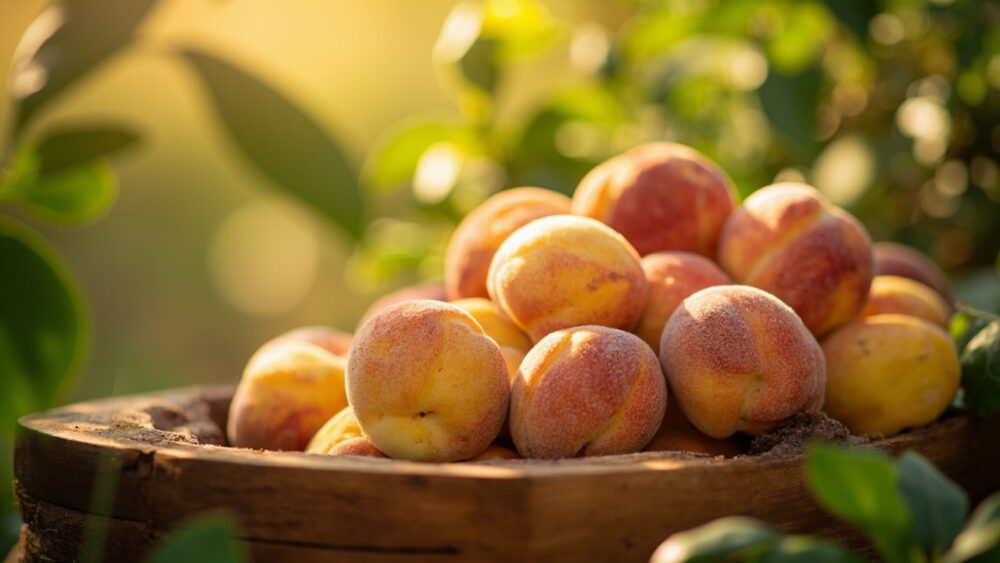
The best way to preserve peaches for real long-term storage is canning them in a water bath, either in light syrup or plain water, after peeling and pitting them while they are ripe but still firm. If you want less work and don’t need shelf-stable jars, freezing sliced peaches works nearly as well and takes a fraction of the time. How to preserve peaches successfully comes down to picking fruit at the right stage and stopping the browning before it starts, and most home batches go wrong at exactly those two points.
Here’s what nobody tells you upfront: the peach that looks perfect for eating out of hand is often already past the ideal window for canning, and the mistake that ruins most batches happens before you ever touch a knife. There’s also a sign of spoilage in canned peaches that looks harmless and isn’t, and I’ll tell you exactly what to look for.
Stick with me to the bottom and you’ll get a save-able Peaches at a Glance card with the exact ratios, timing, and storage life for every method side by side.
Picking and Prepping Peaches for Preserving
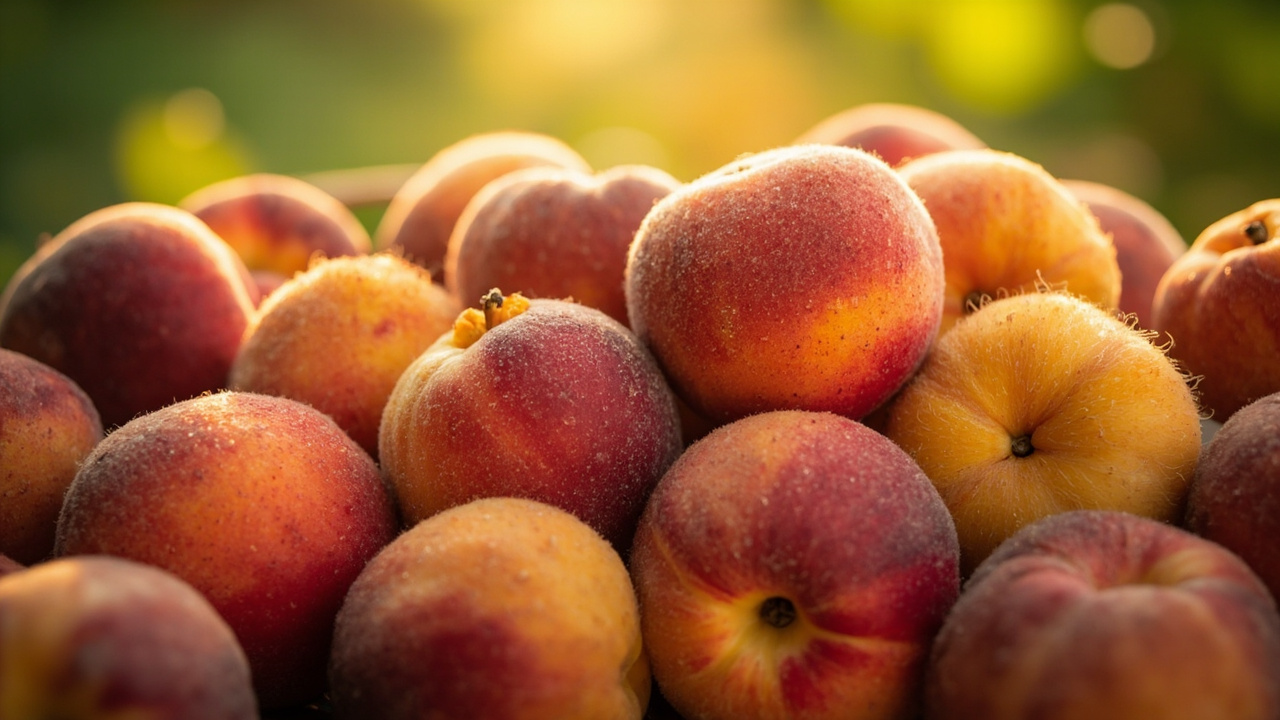
Choose peaches that are fragrant, give slightly to gentle thumb pressure, and have no green tint left near the stem. Fully soft, bruised, or mealy peaches make mushy preserves and cloudy jars.
Blanching makes peeling fast and painless: drop peaches in boiling water for 30 to 45 seconds, then straight into ice water. The skins slip off with your fingers, no peeler needed.
Wash every peach first even if you plan to peel it, since dirt and residue can transfer to your hands and knife. Slice into halves or wedges and remove the pit; discard any bruised flesh rather than cutting around it and using the rest.
Getting the fruit right is only half the job, the other half is stopping it from turning brown in the bowl.
The Step Almost Everyone Skips: Stopping Browning
Cut peaches oxidize fast, going from golden to gray-brown in 10 to 15 minutes if left exposed to air. This is the single most common reason home-canned or frozen peaches look unappetizing even though they’re perfectly safe.
The fix is a light acid bath. Toss sliced peaches in a solution of about 1 tablespoon lemon juice or ascorbic acid per quart of water, or simply toss them in a light sugar syrup right away, and keep them submerged until you’re ready to pack jars or bags.
If you assumed adding sugar is what preserves peachesthat’s not quite it. Sugar improves texture and flavor retention, but it’s the acid, the heat processing, or the freezer temperature doing the actual preservation work.
Once browning is under control, the method you choose determines how long that good color and texture actually last.
Canning Peaches: Step by Step
Canning is the only method here that gives you true shelf-stable peaches, good for 12 to 18 months in a cool, dark pantry.
- Peel, halve or slice, and pit your peaches, holding them in an acid bath as you go.
- Make a light syrup: roughly 2 to 3 cups sugar per 4 cups water, or use plain water or juice if you prefer less sugar.
- Pack peaches into clean, hot pint or quart jars, cut side down, leaving 1/2 inch headspace.
- Cover with hot syrup, still leaving that 1/2 inch headspace, and remove air bubbles with a thin spatula.
- Wipe jar rims, apply lids and bands fingertip-tight, and process in a boiling water bath: 20 to 25 minutes for pints, 25 to 30 for quarts, adjusting upward for elevations above 1,000 feet.
- Let jars cool undisturbed for 12 to 24 hours, then check that lids are sealed (they should not flex when pressed) before storing.
A pressure canner is not required for peaches since they’re acidic enough for a water bath, but the timing above is not optional if you want a safe seal.
Canning is the most work up front, but it’s also the method most people get wrong in a way that isn’t obvious until months later.
Freezing Peaches: The Faster Route
Freezing keeps peaches in good condition for 8 to 12 months and takes a fraction of the time canning does. Slice your peeled, pitted peaches, toss them in a light syrup or a sprinkle of sugar and lemon juice, and spread them on a tray to freeze individually before bagging.
This tray step matters more than people think. Skip it and dump sliced peaches straight into a bag, and you get one solid, fused block that’s hard to portion later.
Once frozen solid, about 2 to 3 hours, transfer slices to freezer bags and press out as much air as possible. Label with the date; frozen peaches lose quality slowly but steadily, and by month 12 they’re fine for smoothies and baking even if they’re past their best for eating plain.
Freezing solves the time problem, but it doesn’t solve the other big one: knowing when peaches have actually gone bad.
How Long Preserved Peaches Actually Keep
Fresh peaches on the counter last only 2 to 4 days once ripe. Refrigerated, ripe peaches hold for about a week. Everything beyond that needs one of the preservation methods above.
- Canned peaches, unopened: 12 to 18 months in a cool, dark spot. Quality slowly declines after that but they’re often still usable.
- Canned peaches, opened: 5 to 7 days refrigerated in a covered container.
- Frozen peaches: 8 to 12 months at a consistent 0°F, with slow texture loss over time.
- Dried peaches: 6 to 12 months in an airtight container at room temperature, longer if refrigerated or frozen.
Dates are only half the story though, since a jar can look fine on the shelf and still be a problem.
The Spoilage Sign Everyone Misreads
Cloudy syrup in a canned jar looks alarming, but it’s often just starch or mineral deposits from the peaches or your water, not spoilage. What actually signals trouble is different and easy to miss.
Bulging lidsa broken seal, spurting liquid when you open the jar, or any off, sour, or fermented smell are the real red flags. Mold of any color anywhere in the jar means the whole jar goes in the trash, not just the moldy part.
If a jar didn’t seal properly within 24 hours of processing, refrigerate it and eat the peaches within a week rather than storing it on the shelf.
Never taste-test a jar you suspect has spoiled, since some spoilage produces no visible sign at all before it makes you sick.
Trust your nose and your eyes on the seal, and when either one is off, that’s the mistake category that ruins whole batches, not just jars.
The Mistakes That Actually Ruin a Batch
Most failed peach preserving comes down to a short list of repeatable errors.
- Using overripe fruit: mushy peaches break down into mush in the jar or bag. Slightly underripe holds shape far better.
- Skipping the acid bath: results in gray, unappealing fruit even when it’s perfectly safe to eat.
- Shorting the water bath time: undersized processing risks incomplete sealing and spoilage, not just texture loss.
- Packing jars too tightly: leaves no room for syrup to circulate, causing uneven processing.
- Not adjusting for altitude: at elevation, water boils at a lower temperature, so processing times need to increase or the seal isn’t reliable.
Get these five right and the rest of the process is nearly foolproof.
Peaches at a Glance
- Best peaches to use: fragrant, slightly soft to the thumb, no green near the stem, free of bruises.
- Prep that matters most: blanch 30 to 45 seconds to loosen skins, then hold slices in a lemon juice or ascorbic acid bath to stop browning.
- Canning method: pack in light syrup, 1/2 inch headspace, process in a boiling water bath 20 to 25 minutes for pints, 25 to 30 for quarts.
- Freezing method: slice, coat in light syrup or sugar and lemon juice, flash freeze on a tray, then bag.
- Storage life: canned unopened 12 to 18 months, frozen 8 to 12 months, opened jars 5 to 7 days refrigerated.
- Real spoilage signs: bulging lid, broken seal, spurting liquid, sour smell, any mold, not just cloudy syrup.
- Biggest mistake to avoid: using overripe fruit or skipping the acid bath, both ruin texture and color fast.
If you remember nothing else, remember this: pick fruit slightly underripe, and never let cut peaches sit exposed to air.
Everything else about preserving peaches well is just details built on top of those two decisions.