Yes, you can freeze avocados, but only if you mash or slice them first and get most of the air out before they go in the freezer. Whole avocados, skin and all, turn into watery, stringy mush when they thaw because freezing ruptures the cell walls that hold all that fat and water in suspension. Do it right and frozen avocado holds its flavor and creamy texture for four to six months, which matters if you have got a tree or a great grocery haul dropping ripe fruit faster than you can eat it.
There is one mistake that ruins nine out of ten batches, and it is not the freezing itself. It is what people do (or do not do) in the ten minutes before the container goes in the freezer.
There is also a sign of freezer-damaged avocado that looks exactly like spoilage but is not, and mixing the two up means tossing perfectly good fruit. Stick with me and I will get you to the “Avocados at a Glance” card at the bottom, the one you actually want saved to your phone before your next avocado binge.
The Method That Actually Works
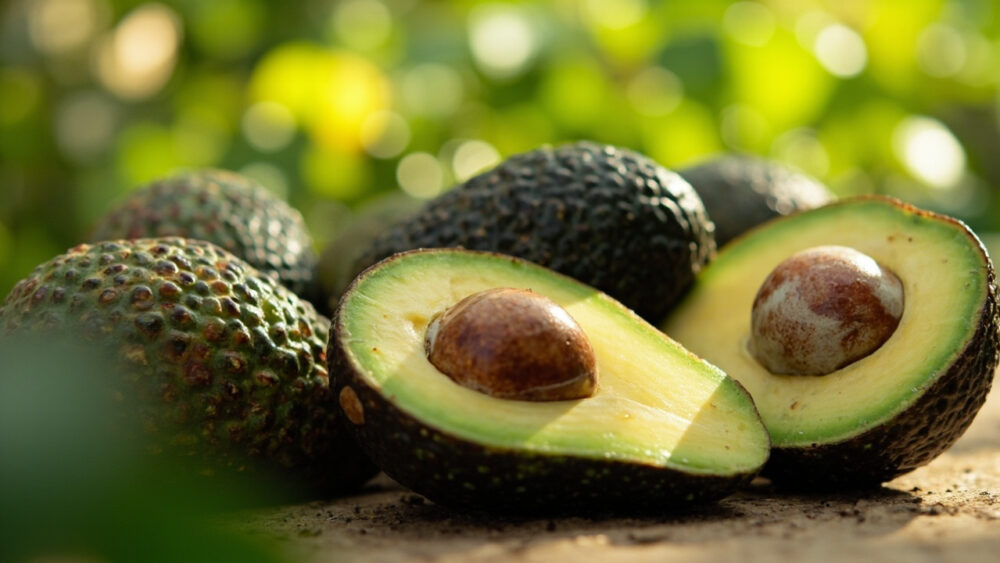
Start with fruit that is fully ripe, meaning it yields to gentle thumb pressure but is not mushy or bruised. Underripe avocado never ripens properly after freezing, it just goes rubbery. Cut it in half, pull the pit, and scoop the flesh into a bowl.
Mash it with a fork or fork it into halves and slices, your call, but whole halves freeze worse than mashed pulp because more surface area means more ice crystal damage. For every avocado, work in about one tablespoon of lemon or lime juice. The acid is not for flavor, it slows the browning enzyme that turns avocado gray-brown within minutes of hitting air.
Pack the mash into a freezer bag or airtight container, press it flat, and push out every bit of air you can before sealing. Lay the bag flat in the freezer until solid, then it can stand upright.
That lemon juice step is the one almost everyone skips, and it is the difference between bright green and swamp-colored guacamole later.
How Long Each Storage Method Actually Lasts
On the counter, a whole unripe avocado takes three to seven days to ripen at room temperature, faster near 75 to 80°F. Once ripe, you have got about two to three days before it starts sliding toward overripe.
In the fridge, a ripe whole avocado holds for three to five extra days, cut and exposed flesh with lime juice and tight plastic wrap for one to two days at most.
In the freezer, properly prepped mashed or sliced avocado keeps its quality for four to six months. It stays technically edible longer than that, but flavor and texture fade past the six month mark.
Frozen avocado never returns to sliceable, salad-ready texture once thawed. Its best afterlife is mashed into guacamole, blended into smoothies, or spread on toast, not laid out in neat fans on a cutting board.
Knowing how long each stage lasts is only half the battle, the other half is what you do to the fruit before it ever sees cold air.
The Prep That Makes or Breaks the Batch
If you assumed you just wash an avocado, wrap it, and freeze it whole, that guess is exactly what ruins most batches. Whole avocados freeze unevenly, the skin traps moisture against the flesh, and thawed texture turns to grainy paste with watery pooling.
Skip blanching entirely, avocados are not a vegetable you are trying to stop enzyme activity in through heat, they are a fruit you are trying to protect with acid instead. Blanching just cooks the edges and wastes the fruit.
Do rinse the whole avocado under water before cutting, more to clean the skin than anything else, since your knife drags surface bacteria through the flesh as it cuts.
Curing is not a thing with avocado the way it is with onions or winter squash. Ripening is the only “cure” avocado needs, and that happens on the counter, never in the freezer. Trying to speed ripening by freezing does the opposite, it locks the fruit at whatever stage it was in and often makes it taste more bitter once thawed.
Even with perfect prep, avocado will eventually tell you when it has gone bad, and the freezer changes what those signs look like.
The Signs It Has Actually Turned
Fresh gray-brown discoloration on cut avocado flesh is just oxidation, that is cosmetic and scrapable, not spoilage. A thin layer of lime juice and plastic wrap pressed directly onto the surface slows it dramatically.
Real spoilage smells sour or fermented, feels slimy rather than creamy, and often shows dark stringy or black fibrous streaks running through the flesh rather than just a surface film. That fruit goes in the compost, not the bowl.
Here is the sign almost everyone misreads: frozen and thawed avocado often looks slightly darker and separates into a watery layer on top of denser pulp. That is texture damage from ice crystals, not spoilage. Stir it back together, it is still fine to eat.
If frozen avocado smells off or has visible mold, that is different and should be discarded, same rule as fresh fruit.
Most of the “ruined” batches people complain about were never spoiled at all, they just hit one of these avoidable mistakes.
The Mistakes That Cost People the Whole Batch
- Freezing it whole: skin-on avocados freeze unevenly and the texture never recovers, always cut, pit, and process first.
- Skipping the acid: no lemon or lime juice means brown, bitter avocado within a month, not six.
- Leaving air in the bag: trapped air causes freezer burn, a grainy, off-tasting crust on the surface.
- Freezing underripe fruit: it will never finish ripening properly, freezing locks in whatever stage you started at.
- Thawing at room temperature all day: slow thawing on the counter encourages faster browning and worse texture, thaw overnight in the fridge instead.
- Refreezing thawed avocado: texture damage compounds every cycle, freeze once, use it, done.
Get those six right and there is really only one thing left worth keeping on hand for reference.
Avocados at a Glance
- Best way to freeze: mash or slice ripe avocado, mix in about one tablespoon lemon or lime juice per fruit, press out all air, freeze flat.
- Freezer storage time: four to six months for best flavor and texture, safe to eat longer but quality drops.
- Fridge storage time: three to five days whole and ripe, one to two days once cut and exposed.
- Counter ripening time: three to seven days for a hard avocado, two to three days of good eating once ripe.
- Never freeze: whole unpeeled avocados or underripe fruit, both freeze and thaw poorly.
- Best use after thawing: guacamole, smoothies, or spreads, not sliced salads or garnish.
- Real spoilage signs: sour smell, slimy texture, dark stringy streaks, not the harmless surface browning or watery separation.
Freeze the mash, not the whole fruit, and add the acid every single time.
Do that, and every ripe avocado you can not eat today becomes guacamole you can make in February.