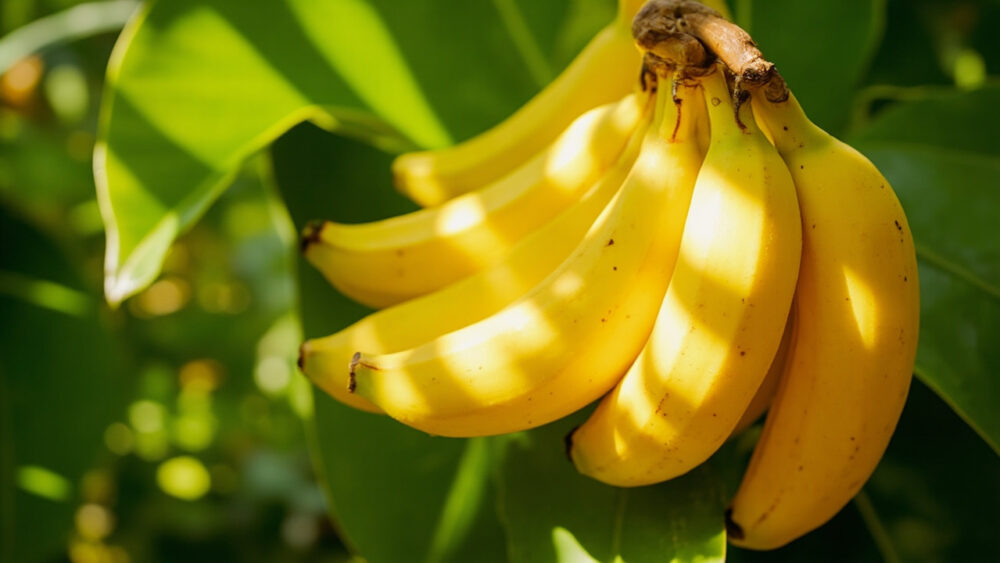
Yes, you can freeze bananas, and if you do it right they hold their flavor and texture for smoothies, baking, and banana bread for eight to twelve months. The trick is not the freezing itself, it is what you do in the ninety seconds before the bananas go in the freezer. Skip that step and you get a solid black brick that tastes fine but is a pain to use for the next six months.
Most people ruin their first batch the exact same way, and it has nothing to do with how ripe the bananas were. It is a peeling and packing mistake that turns individual pieces into one fused lump.
There is also a sign of freezer damage that scares people into tossing perfectly good bananas, and a smarter way to freeze them depending on whether you want smoothie chunks or ready-to-bake mush. Stick around for the Bananas at a Glance card at the bottom, it is the part you will want to screenshot before you touch a single banana.
The Best Method: Peel, Slice, Freeze Flat
Peel every banana first. Freezing a banana in its skin sounds convenient but the skin turns black, sticky, and nearly impossible to remove once frozen. Peel, then slice into rounds about half an inch thick, or break into chunks if you plan to blend them.
Lay the pieces on a parchment-lined sheet pan in a single layer, not touching. Freeze flat for one to two hours until firm, then transfer to a freezer bag or airtight container.
This single flash-freeze step is what keeps every piece separate later.
The Mistake That Ruins Most Batches
Here is the mistake almost everyone makes on the first try: they peel the bananas, toss the whole thing straight into a freezer bag, and freeze it as one mass. Two days later they need three slices for a smoothie and instead they are hacking at a fused banana brick with a butter knife.
The fix is the flat freeze you just read about, not a different bag or a different bananas. Once the pieces are frozen solid individually, they pour out of the bag loose, like frozen peas.
Skip the sheet pan step and you have committed to thawing the entire bag every single time, no exceptions.
How Long Bananas Actually Keep, Every Way
Bananas on the counter ripen and hold for about two to seven days past the point they turn fully yellow, depending on how ripe they were when you bought them. Once brown spots take over, you have roughly a day or two left before they are overripe.
In the fridge, a ripe banana slows way down. The peel will darken to brown or black within a few days, which looks alarming but the fruit inside stays fine for about a week.
In the freezer, properly prepped bananas hold good quality for eight to twelve months. They stay technically safe well past that, but flavor and texture fade the longer they sit.
Curing is not really a banana thing the way it is for onions or squash, but there is a ripening trick worth knowing.
The Ripening Trick Nobody Tells You
If your bananas are still green and firm, you do not have to wait them out on the counter. Sealing them in a paper bag, ideally with an apple or another ripe banana, traps the ethylene gas they naturally produce and speeds ripening by a day or two.
Never refrigerate a green banana to try to slow it down. Cold temperatures stop the ripening enzymes permanently, so a green banana that goes into the fridge will often stay starchy and hard even after it warms back up.
Ripen fully at room temperature first, then decide whether you are eating it, chilling it, or freezing it.
Prep That Makes or Breaks the Batch
You do not need to blanch bananas, and you should not. Blanching is for vegetables with cell walls sturdy enough to survive brief boiling water, bananas will just turn to mush.
Washing matters more than people think. Rinse the whole banana under water before peeling, even though you are discarding the skin, because handling and shipping leave residue that can transfer to your hands and then to the fruit as you peel and slice.
A splash of lemon juice or a light toss in citrus water before freezing slows browning if you are freezing slices for a fruit salad later. Skip it entirely if the bananas are headed for a smoothie or banana bread, since browning there is invisible once blended or baked.
Ripeness at the moment of freezing decides more than any of these steps.
Freeze Them Ripe, Not Perfect
The riper the banana, the sweeter and more useful it is frozen. Bananas with heavy brown spotting, the ones you would never want to eat plain, are exactly the ones you want in the freezer for baking.
If you assumed you should freeze bananas at their prettiest yellow stage, that is the opposite of what works. Underripe bananas freeze starchy and bland, and they never sweeten up after thawing the way they would have on the counter.
Let bananas go fully speckled or even mostly brown before you peel and freeze them, especially if banana bread is the endgame.
The Sign Everyone Misreads as Spoiled
Frozen banana slices often turn gray or dull brown in the bag after a few weeks. This looks like freezer burn or spoilage, and most people dump the whole bag.
That grayish color is just oxidation, the same browning you see on a cut apple, and it is completely harmless. The banana is still good to blend or bake with.
What actually signals trouble is different: ice crystals fused thick around the pieces, a bag that has clearly thawed and refrozen, or a sour, fermented smell instead of a banana smell. Any of those means texture and flavor are shot, and it is time to toss that batch rather than fight it.
Knowing the difference between harmless and ruined saves you from throwing out good fruit and from using bad fruit by mistake.
Mistakes That Cost You the Whole Batch
- Freezing in the peel: the skin blackens and becomes nearly impossible to remove cleanly once frozen.
- Skipping the flat freeze: pieces fuse into one unusable block.
- Using underripe bananas: flavor stays flat and starchy even after thawing.
- Leaving air in the bag: extra air speeds freezer burn, so press bags flat before sealing.
- Refreezing thawed bananas: texture turns to watery mush and it will not recover.
Get past these five and freezing bananas is about as low-risk as freezer prep gets.
Bananas at a Glance
- Best freezing method: peel, slice, flash freeze on a sheet pan for one to two hours, then bag.
- Ripeness to freeze at: fully yellow with brown spots, riper is better for baking.
- Counter storage: two to seven days once fully yellow, depending on starting ripeness.
- Fridge storage: about one week, peel will darken but fruit stays fine.
- Freezer storage: eight to twelve months for best flavor and texture.
- Harmless sign: grayish or dull brown color from oxidation in the bag.
- Real spoilage signs: thick ice crystals, evidence of thawing and refreezing, sour or fermented smell.
Freeze them ripe, freeze them flat, and skip the peel entirely.
Get those two things right and every frozen banana in that bag will pour out loose and ready, exactly when you need it.