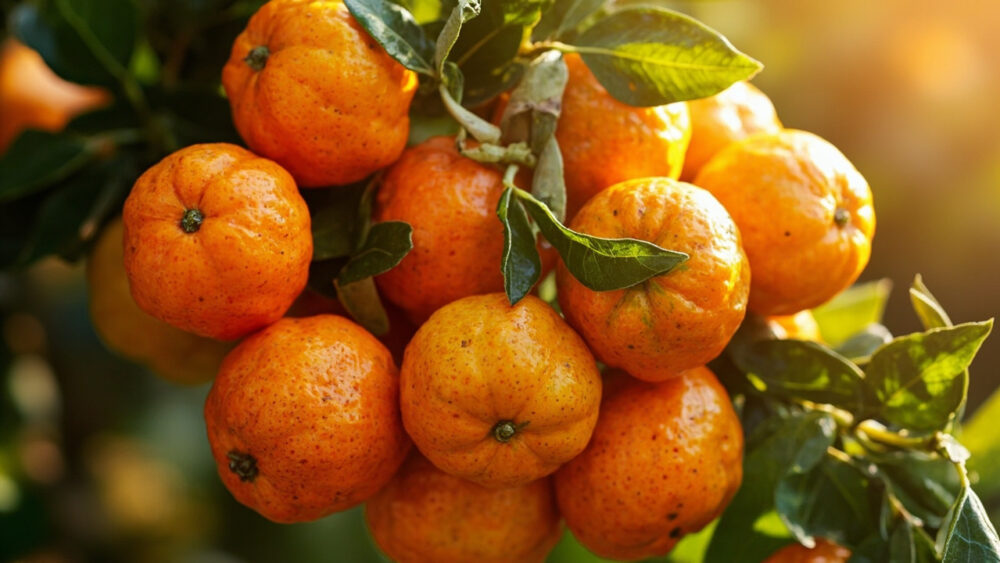
The fastest way to sort out the different types of mandarins is by seed count and peel tightness. Seedless, easy-peel types like clementines are bred for eating out of hand, while seedy, tight-skinned types like some tangerines carry more complex flavor and a bigger cold tolerance range. Once you know which trait matters more to you, the whole category gets a lot less confusing.
Most people grab a Satsuma because it is the one they remember from grocery store crates, but that is not actually the best reason to plant one in a home orchard. There is a slower, thinner-skinned type experienced backyard growers plant instead, and it rarely gets mentioned on the tags at the nursery.
Down at the bottom, number 13 is the one most people misjudge completely, usually because they assume it is a lime. The last few entries plus a simple step-by-step method for picking the right mandarin for your yard are waiting at the very end, so keep scrolling.
The Classic Easy-Peel Mandarins
These are the ones bred for lunchboxes and fruit bowls, prized for skin that comes off in seconds and segments that separate clean.
1. Clementine
Small, seedless, and reliably sweet, clementine is the mandarin most people already know by taste even if they cannot name it. Trees stay compact, usually 8 to 12 feet unpruned, and do well in USDA zones 9 through 11 or in a container brought indoors below 25°F. Fruit ripens over a fairly short window in late fall to early winter, so a single tree gives you a burst of fruit rather than a long trickle.
2. Algerian Tangerine (Clementine Type)
Slightly tarter and later-ripening than a standard clementine, this one is grown commercially under the clementine name in many regions but as a garden variety it holds fruit on the tree longer without going mushy. Good for growers who want a bit more acid balance than the supermarket clementine offers.
3. Owari Satsuma
The most cold-hardy of the easy-peel types, Owari Satsuma tolerates brief dips into the low 20s once mature, which is why it is the mandarin most often planted outside the deep citrus belt, in zone 8b and sheltered 9a spots. The peel is puffy and loose, almost baggy, and the fruit is nearly seedless with a soft, low-acid flavor that some growers find a little bland compared to sharper types.
4. Miho Satsuma
An earlier-ripening Satsuma that many home growers quietly prefer over Owari, Miho drops its fruit a few weeks sooner and holds a slightly firmer texture. It suits gardeners in marginal citrus climates who want to beat the first hard frost rather than race it.
5. Kishu Mandarin
Barely bigger than a golf ball, Kishu is the mandarin serious collectors grow for intensity rather than yield. It is seedless, extremely sweet, and the skin peels back in one motion, but the tree stays small and fruits modestly, so it is a specialty planting rather than a main crop.
Easy-peel types get all the attention, but the tighter-skinned mandarins below are where the flavor complexity actually lives.
Tangerines and Tighter-Skinned Types
Tangerines are technically a subgroup of mandarins, distinguished by deeper orange-red color and skin that clings a little more than a clementine’s.
6. Dancy Tangerine
The old-school tangerine most American gardeners’ grandparents grew, Dancy has a deep reddish-orange rind, real seeds, and a sharp, tangy flavor that easy-peel types have mostly bred away. It needs more heat than a Satsuma, doing best in zones 9 through 11, and ripens midwinter.
7. Sunburst Tangerine
A modern cross bred for bright color and a tighter skin, Sunburst holds well on the tree without going puffy, which makes it a better choice than Dancy if you want fruit that stores a few extra weeks past ripeness. Expect a handful of seeds and a flavor that leans sweet-tart rather than purely sweet.
8. Honey Tangerine (Murcott)
Often the sweetest fruit on this whole list, Murcott has a rich, almost honeyed flavor but comes with a real seed count and a peel that fights you more than a clementine’s does. It is a good pick for growers who care more about what is inside the fruit than how fast they can get to it.
If tart and complex is more your style than sweet and easy, the next group leans even further that direction.
Hybrid Mandarins Bred for Flavor
These are mandarin crosses, usually with orange or pomelo relatives, developed specifically to push flavor or size past what a pure mandarin offers.
9. Tangelo (Minneola)
Easy to identify by the small knob at the stem end, Minneola tangelo is a mandarin-grapefruit cross with a tart, tangy punch and juice content higher than most true mandarins. The tree needs full sun and decent heat, and it cross-pollinates better with a second citrus variety nearby, so a solo tree can under-fruit.
10. Tangor (Temple Orange)
Right in between a tangerine and a sweet orange, Temple tangor gives you bigger fruit with a rich, almost spicy sweetness, though the thicker skin takes real effort to peel. It suits growers who want orange-scale flavor without a full orange tree’s size.
11. Page Mandarin
A smaller, juicier tangelo-mandarin cross, Page produces heavy yields of small, deep-orange fruit with a flavor most people describe as tangerine turned up a notch. It is a solid dooryard tree in zones 9 through 10 where space is tight but you still want volume.
12. Fairchild Mandarin
One of the earliest mandarins to ripen in most citrus climates, Fairchild gives you fruit while you are still waiting on Satsumas and Dancy tangerines, though the flavor is milder and the seed count runs higher. Good for growers who want the first citrus off the tree each season rather than the best.
Number 13 is next, and it is the one that trips up almost everyone who has never grown it.
The Unusual and Underrated Mandarins
These last few rarely show up in grocery bins, which is exactly why experienced growers seek them out.
13. Calamondin
Often mistaken for a lime because of its size and sourness, calamondin is actually a mandarin-kumquat cross, and the small round fruit is really meant for marmalade, drinks, and cooking rather than eating fresh off the tree. It is remarkably tolerant of container life and low light, which makes it the mandarin most likely to survive as a houseplant through a cold winter indoors.
14. Pixie Tangerine
A late-season variety that ripens well after most mandarins are finished, Pixie stretches the citrus season into late winter or even spring in mild climates. It is seedless, intensely sweet, and small in stature, making it a favorite for growers who want fresh mandarins after everything else on this list is long gone.
15. Encore Mandarin
The true late bloomer of the group, Encore can hang on the tree into spring without losing quality, and its flavor is often described as spicy-sweet rather than simply sweet. It needs consistent heat to develop that flavor fully, so it performs best in the warmer end of zones 9 through 11 rather than marginal citrus climates.
Now that you have seen all fifteen, here is the fastest way to actually choose one.
How to Choose the Right One
- Check your space first: dwarf rootstock and container growing work for any mandarin on this list, but full-size trees need 10 to 15 feet of clearance in every direction.
- Match your climate honestly: Satsuma and calamondin tolerate real cold, while Dancy, Murcott, and Encore need sustained heat to taste their best.
- Decide your purpose: easy-peel snacking points you to clementine, Satsuma, or Pixie, while cooking and marmalade point you straight to calamondin.
- Consider your patience for seeds: clementine, Satsuma, and Pixie run seedless or nearly so, while Dancy, Murcott, and tangelos carry real seed counts.
- Think about timing: stack an early type like Fairchild with a late type like Encore or Pixie and you stretch fresh fruit across several months instead of a few weeks.
- If you are new to citrus, start with a Satsuma or clementine before trying a fussier hybrid, since forgiving trees build the confidence to handle the harder ones.
Any of these fifteen will earn its spot in a yard or on a patio if you match it to your climate honestly.
Pick one, plant it in full sun with sharp drainage, and you will be peeling your own fruit within a season or two.