The fastest way to narrow 15 orange varieties down to one is figuring out whether you want a fruit that eats fresh out of hand, one that makes juice, or one that survives an actual winter outside the deep South and coastal California. Almost every bad orange-tree purchase comes from skipping that question and just grabbing whatever has the prettiest tag at the nursery. That single choice about orange varieties does more work than soil, fertilizer, or pruning ever will.
There are a couple of honest traps worth naming up front. The navel orange everyone buys first because it is the grocery store default is actually one of the fussier trees to fruit reliably in a marginal climate, and the type experienced growers quietly plant instead barely gets mentioned at the garden center. Number 13 on this list is the one most people get completely wrong, either skipping it out of fear or planting it somewhere it was never going to thrive.
The final entries and the actual method for choosing, the one that goes climate first and flavor second, are waiting at the bottom. Worth the scroll before you buy anything.
Classic Sweet Oranges, the Ones Everyone Recognizes
These are the fresh-eating and juicing standards, the trees most people picture when they hear the word orange.
1. Washington Navel
The seedless, easy-to-peel orange everyone already knows from the produce aisle. It fruits in winter, wants a long warm season and a hard-freeze-free winter to size up properly, and honestly struggles in anything cooler than USDA zone 9, which is exactly why so many home growers end up disappointed by it.
2. Valencia
The true juicing orange, later-ripening than navel and packed with seeds compared to it, but the tree is noticeably more heat and drought tolerant. It holds fruit on the branch for months without going bad, which makes it the better pick if you want a long harvest window instead of one big flush.
3. Cara Cara
A pink-fleshed navel sport with a berry-sweet, almost cranberry-adjacent flavor that surprises people expecting a normal orange. It grows and needs the same conditions as Washington navel, just with a flavor payoff that makes the extra fuss worth it for fresh eating.
4. Hamlin
The cold-hardier juicing option that Florida growers lean on precisely because it tolerates cooler winters better than Valencia. Fruit is smaller and less showy but the tree is a dependable early producer, often bearing usable fruit within a couple of years of planting.
Fresh eating covers the obvious choices, but the interesting flavors start with the next group.
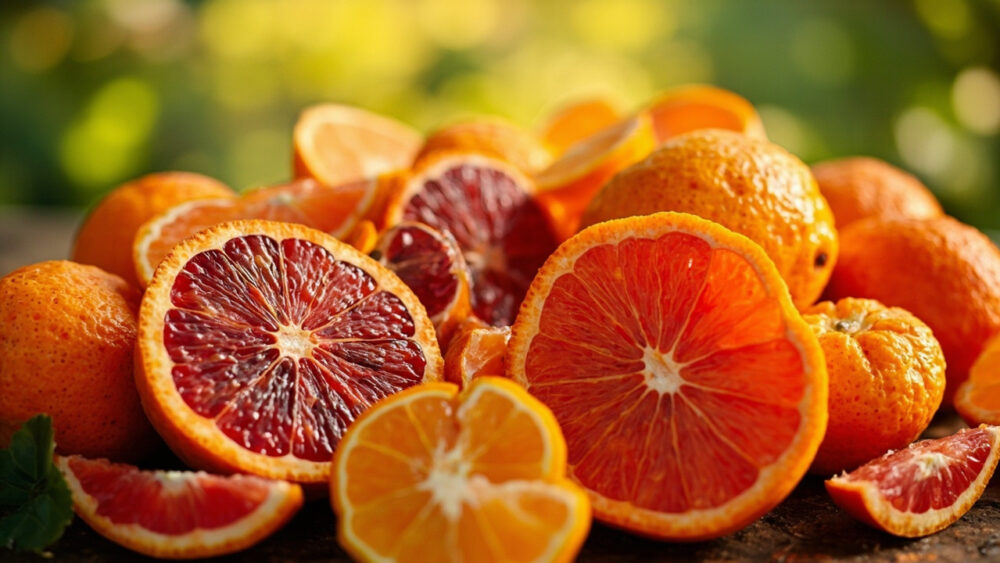
Blood Oranges and Specialty Flavors
These are the varieties people grow for the flavor and color story, not just for a reliable juice glass.
5. Moro Blood Orange
The deepest red flesh of the common blood oranges, with a raspberry-wine note that regular navels do not have. Color development depends heavily on cool nights during fruit ripening, so growers in mild coastal climates sometimes get gorgeous flavor with disappointingly pale flesh.
6. Tarocco Blood Orange
The milder, less bitter blood orange, Italian in origin, with red streaking rather than solid crimson flesh. It is genuinely easier to eat fresh than Moro and a good entry point for anyone nervous about blood oranges tasting too sharp.
7. Sanguinelli
A smaller, thinner-skinned blood orange that colors up reliably even in climates with milder winters, making it the more forgiving blood orange for growers outside classic Mediterranean-style climates. Fruit size is modest, but the tree is compact enough for a large container.
Color and flavor variety is one thing, but size constraints are the next real decision point.
Compact and Container-Friendly Oranges
If you are growing on a patio or in a climate that means bringing the tree indoors for winter, this is where to look first.
8. Calamondin
Not a true sweet orange but a mandarin-kumquat cross so commonly sold as a decorative orange that it earns a spot here. It stays small, fruits nearly year-round indoors near a bright window, and the fruit is tart enough that most people use it like a lime rather than eating it plain.
9. Dwarf Washington Navel
The same navel flavor on a rootstock that keeps the tree to 6 to 10 feet, or smaller in a container with regular root pruning. It still needs the same warmth and freeze protection as full-size navel, the dwarfing only shrinks the tree, not its climate needs.
10. Trovita
An underused container option bred for hot, dry inland climates where Valencia struggles with sunburn on the fruit. It tolerates heat better than most sweet oranges and produces a smaller, sweeter fruit that ripens earlier than Valencia.
Small-space growing solves one problem, but cold is the one that actually kills orange trees, and that is where the next group matters most.
Cold-Hardy and Marginal-Climate Oranges
This is the category most gardeners outside zones 9 through 11 actually need, and it is the most skipped section at the nursery.
11. Satsuma Mandarin
Technically a mandarin, sold everywhere as an orange, and the single best choice for anyone gardening in zone 8 who still wants citrus outdoors. It tolerates brief dips into the low 20s Fahrenheit once established and the fruit is seedless, easy-peel, and genuinely sweet even picked slightly early.
12. Owari Satsuma
The specific satsuma variety most nurseries actually stock, prized for ripening earlier than generic satsuma stock and holding flavor even after a light frost hits the fruit on the tree. If a nursery just says satsuma with no name attached, it is very often this one.
13. Trifoliate-Hybrid Cold-Hardy Oranges (Poncirus hybrids)
The orange most people get completely wrong, either dismissing it as inedible or planting it expecting navel-quality fruit. These hybrids, bred from trifoliate orange crossed with sweet orange, survive winters that would kill every other tree on this list, sometimes down into the teens Fahrenheit, but the fruit is genuinely sour and seedy, meant for juice and marmalade, not fresh eating out of hand. Grown for hardiness, not for flavor, and that trade is exactly the point.
14. Changsha Mandarin
A cold-hardy mandarin often grouped with hardy oranges for the same reason satsuma is, it tolerates real winter cold far better than sweet orange proper. Fruit is seedy and the segments cling tighter than a satsuma, but the tree’s toughness makes it a realistic outdoor option well outside typical citrus territory.
15. Ichang Lemon-Orange Hybrid
The toughest true citrus-orange cross commonly available, surviving winter lows that would kill nearly everything else on this list outright. The fruit is more novelty than daily eating, tart and seedy, but for a grower determined to have a living citrus tree in a genuinely cold climate, it is close to the last option standing.
How to Choose the Right One
- Start with your winter low temperature, not the fruit you want: if nights regularly drop below the mid 20s Fahrenheit, you are choosing from the cold-hardy group or growing in a container you can move indoors.
- Decide fresh eating versus juicing versus zest and marmalade before picking a variety, since sweetness, seediness, and peel thickness vary enormously across this list.
- Check your available space: full-size trees run 15 to 25 feet given decades to mature, dwarf rootstock keeps most varieties under 10 feet, and containers cap growth further but demand more consistent watering.
- Match sun exposure honestly: citrus wants a minimum of 6 to 8 hours of direct sun, and any variety planted in partial shade will fruit lightly no matter how well-suited it is otherwise.
- Be realistic about care appetite: container citrus needs regular feeding and occasional repotting, while in-ground trees in the right zone are far closer to plant-and-largely-forget.
- If you are new to citrus, start with satsuma or dwarf navel before attempting blood oranges or the truly hardy hybrids, since both forgive mistakes better than the specialty types.
Pick the tree that matches your winter, not the one that looks best on the tag, and the fruit part takes care of itself.
Every variety on this list has earned its spot in a real garden somewhere, the trick is just putting it in the right one.