The best time to plant astilbe is spring, two to three weeks after your last frost, once soil has warmed and the danger of a hard freeze has passed, or in early fall at least six weeks before your ground typically freezes. Both windows work because astilbe is planting a shade-loving perennial with a fleshy crown, not a tender annual, so it cares more about root establishment time than about hitting an exact date. Spring is the more forgiving of the two for most gardeners asking when to plant astilbe.
Here is what most people get wrong first: they assume shade means it can go in anytime, since it is not baking in sun. That guess costs a season, and I will explain why below.
There is also a sign almost everyone misreads on a new astilbe crown, a fall-versus-spring tradeoff nobody mentions at the nursery, and the honest answer to what happens if you miss the window entirely. All of it is coming, and the saveable Astilbe at a Glance card is waiting at the bottom once you have the full picture.
The Real Planting Window, Anchored to Frost and Soil
Spring planting works once soil temperature sits around 50 to 60 F and hard frosts are behind you, typically two to three weeks past your last average frost date. Astilbe tolerates a light frost on foliage once it is established, but a young crown just going into the ground is more vulnerable.
Fall planting works from late summer through roughly six weeks before your ground freezes solid. That buffer gives roots time to knit into the soil before winter dormancy, which matters more for astilbe than for tougher perennials like hosta or daylily.
If you are gardening in a hot summer climate, fall is often the better call, since spring-planted astilbe can struggle through its first brutal July before it has a real root system.
Your actual window depends on which season fits your climate better, and that is where most people guess wrong.
Reading Your Own Yard Instead of a Calendar
Forget the date on the seed packet map. Astilbe wants shaded to partly shaded ground that stays consistently moist, so the real question is whether that spot can support a plant through its first season, not what the calendar says.
Dig a small test hole where you plan to plant. If it fills with water and stays soggy for more than a day after rain, that is too wet even for a moisture-loving plant like astilbe, whose crown can rot in standing water. If it dries out and turns to dust within a day of watering, that spot will fight you all summer.
Check the light too. Morning sun with afternoon shade is close to ideal in most regions. Full shade all day works but slows bloom and reduces flower stalk count.
Once you know your spot holds moisture without drowning, you are ready to talk timing mistakes.
The Mistake That Ruins Most Astilbe Plantings
If you assumed shade-lovers are low-fuss and can go in whenever the mood strikes, that assumption is exactly what kills most first attempts. The real killer is planting into dry, unamended soil during a hot stretch, not the calendar date itself.
Astilbe has fine, shallow roots that dry out fast compared to deeper-rooted perennials. Plant it into compacted or sandy soil in the middle of a warm dry week, without consistent watering for the first few weeks, and the crown will brown out even if the calendar timing was technically correct.
The second common misread is the crown itself. New astilbe divisions often look thin, woody, and half-dead right out of the nursery pot, with only a few small green shoots. Gardeners assume it is dying and give up on it, when that scraggly look is completely normal for a plant that spreads from a slow-building rhizome.
Timing gets you into the right season, but soil moisture is what carries the plant through it.
Plant Too Early, Plant Too Late: What Actually Happens
Too early in spring means planting into cold, waterlogged soil before it has warmed. The crown sits wet and cold, growth stalls, and rot sets in before roots ever get moving. This is the more damaging mistake of the two because a rotted crown usually does not recover.
Too late in spring, meaning well into summer heat, means the plant goes into the ground with no time to build roots before it has to cope with drought stress and heat stress simultaneously. It often survives but sulks, with scorched leaf edges and few or no flowers that first year.
Too late in fall, close to or after your ground starts freezing, is genuinely risky. Roots do not have time to anchor before winter, and frost heave can push a shallow-planted crown right out of the soil. This is the one true point of no return in astilbe timing, since a heaved crown exposed to winter cold rarely makes it to spring.
Miss the fall window and spring becomes your fallback, not a failure, just a different plan.
Prep to Do Before the Window Opens
Astilbe rewards prep more than most perennials, mainly because of that moisture requirement. Start improving your planting spot two to four weeks before you intend to plant.
- Work in organic matter: mix two to three inches of compost or aged leaf mold into the top eight inches of soil to hold moisture and improve drainage at the same time.
- Test drainage again: after amending, recheck that test hole from earlier to confirm it drains within a day.
- Set up a watering plan: know how you will give the new planting roughly an inch of water a week if rainfall does not cover it, since the first six weeks after planting are non-negotiable for moisture.
- Have mulch ready: two to three inches of shredded bark or leaf mulch, kept an inch away from the crown itself, will be added right after planting.
With the bed ready, planting day itself is almost anticlimactic, which is exactly how it should go.
Depth, Spacing, and the Planting Steps
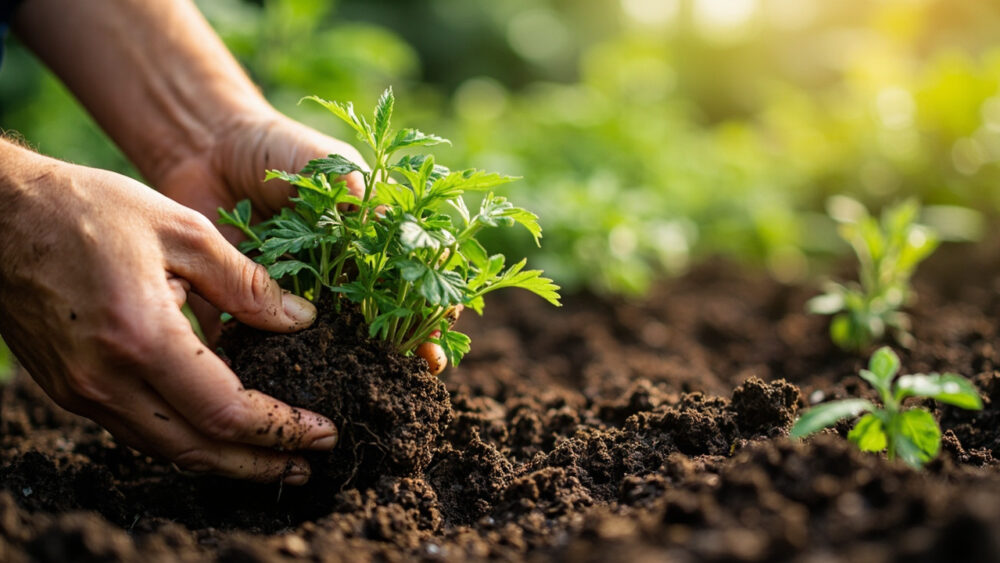
Set the crown so its top sits level with or just barely below the soil surface, roughly no deeper than an inch of soil over the topmost buds. Planting too deep is a common way gardeners accidentally smother a slow-to-emerge crown.
Space plants 15 to 24 inches apart depending on the variety, since dwarf types stay compact while larger types spread into a substantial clump within two to three years. Water thoroughly right after planting, then mulch.
Expect modest top growth the first year. Astilbe is famous for a slow first season followed by a much fuller display in year two and beyond, so do not judge the plant by its first few months.
That patience requirement is worth knowing before you plant, especially if you garden somewhere with real winters.
Zone and Region Notes Worth Knowing
Astilbe is reliably hardy in USDA zones 4 through 8, and this is where region genuinely changes your timing decision rather than just shifting a date.
In zones 4 and 5, with shorter growing seasons and earlier hard freezes, spring planting is the safer default, since fall’s six-week root-establishment window closes fast once autumn arrives.
In zones 7 and 8, with milder winters and hotter summers, fall planting often outperforms spring, letting roots establish through cool weather instead of fighting summer heat right out of the gate.
Zone 6 gardeners can generally go either direction successfully, and it comes down more to your specific soil and shade than the zone number alone.
Wherever you garden, the moisture rule holds everywhere, and it is the one thing worth pinning down before you dig.
Astilbe at a Glance
- When to plant: spring, two to three weeks after last frost once soil hits 50 to 60 F, or early fall at least six weeks before ground freeze.
- Best region-based choice: spring in zones 4 and 5, fall in zones 7 and 8, either works well in zone 6.
- Light and site: morning sun with afternoon shade, or full shade, in soil that holds moisture without staying waterlogged.
- Planting depth: crown level with the soil surface, no more than an inch of soil covering the topmost buds.
- Spacing: 15 to 24 inches apart depending on variety size.
- First weeks after planting: keep soil consistently moist, about an inch of water per week if rain falls short, mulch two to three inches deep away from the crown.
- What to expect year one: modest growth and few or no blooms is normal, full performance arrives by year two or three.
Get the moisture right and the timing forgives almost everything else. Plant into dry soil at the wrong moment, though, and no calendar date will save it.