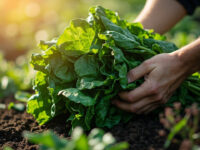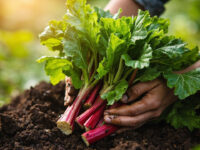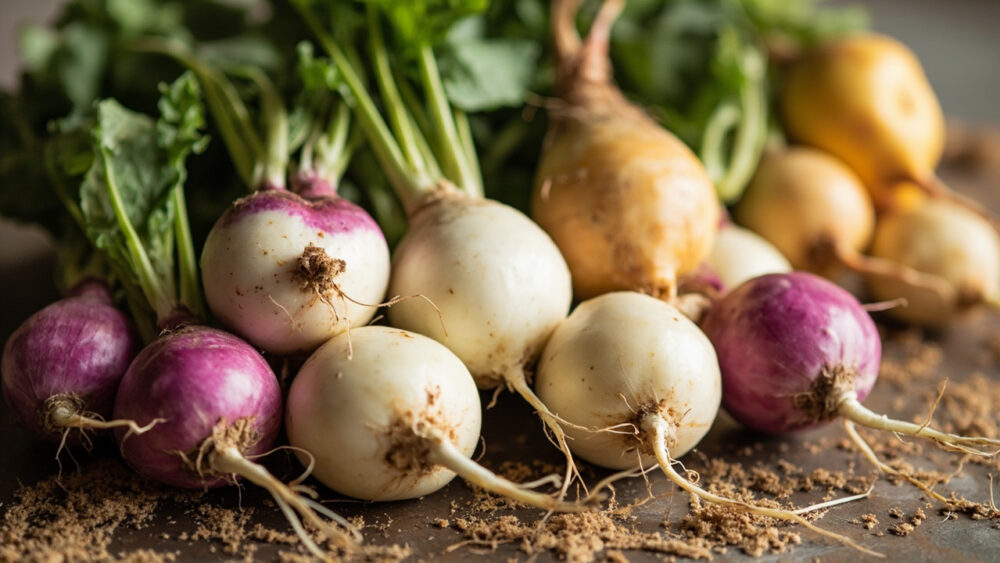
The fastest way to sort out types of turnips is by what you want from them: some are bred for the swelling white or purple root, some are grown almost entirely for their leafy tops, and a few give you both without complaint. Get that one distinction right and the other decisions, spacing, timing, whether you even bother thinning, fall into place on their own.
Most first-time growers reach for the same purple-top variety everyone’s grandmother grew, and while it’s a solid choice, it’s often picked out of habit rather than because it fits the garden. There’s a smaller, sweeter type that experienced growers plant specifically for eating raw off the vine, and almost nobody stocks it on purpose. There’s also a common mistake buried in how people read turnip size: bigger is not better, and I’ll get into exactly why further down.
Stick with me through all five groups below. Number 13 is the one most people get completely wrong when they judge it by looks alone, and the last few entries plus the simple method for choosing your variety are waiting at the bottom.
Classic Root Turnips (The All-Purpose Standbys)
These are the turnips most people picture, dual-colored roots with a peppery bite that mellows when cooked.
1. Purple Top White Globe
The one everyone already knows, with a white root that blushes purple at the shoulder where it pokes above soil. It matures in 50 to 60 days, tolerates light frost, and holds well in the ground into fall, making it the default choice for a reason, even if it’s not the most interesting one on this list.
2. Just Right
A hybrid bred for uniformity, producing smooth, evenly round white roots with purple crowns that resist the pithiness older varieties get if left too long. It matures around 50 days and is a good pick if you’ve been burned before by turnips that turned woody.
3. American Purple Top
An heirloom cousin of the classic globe, slightly flatter in shape and known for strong tolerance to both heat at planting and cold at harvest. Days to maturity run 55 to 60, and it stores in a root cellar better than most modern hybrids.
4. Golden Globe
The yellow-fleshed outlier in the classic group, with amber skin and a milder, almost sweet flavor once cooked. It runs slightly slower to mature, around 60 days, and rewards patience with a texture that stays firmer than white-fleshed types.
Those four cover the standard root turnip, but the next group skips the root almost entirely.
Greens-Focused Turnips (Grown for the Tops, Not the Root)
If your goal is a fast, cut-and-come-again leafy crop, these are bred to bolt into abundant tops before the root does much of anything.
5. Seven Top
An old Southern staple grown almost exclusively for its greens, since the root stays fibrous and unpleasant. It’s ready to cut in 40 to 50 days, regrows after cutting, and shrugs off cold better than nearly anything else on this list, making it a reliable late-fall green in mild-winter zones.
6. Topper
A modern hybrid greens turnip bred for fast, heavy leaf production with a smooth texture that holds up better than older varieties when cooked. It’s ready in about 35 days for baby greens and handles repeated cutting through a cool season.
7. Shogoin
A Japanese variety grown both ways, with tender greens ready early and a round white root that stays mild and non-fibrous if harvested young. It’s a smart pick if you want to hedge between the greens camp and the root camp without planting two separate crops.
Greens are the easy win, but the next category is where flavor gets genuinely different.
Small, Sweet, and Salad-Ready Types
This is the underrated group: smaller roots bred to be eaten raw, sliced thin, or roasted whole, without the sharp bite people associate with turnips.
8. Hakurei
The one experienced gardeners quietly grow for snacking straight out of the garden, since it’s crisp, sweet, and almost radish-like raw. It matures fast, around 38 to 45 days, stays small and round on purpose, and turns fibrous quickly if you let it oversize, so pull it young.
9. Tokyo Market
A close relative of Hakurei with the same smooth white skin and mild flavor, slightly more forgiving if harvest gets delayed a few days. It’s a dependable choice for succession planting every two to three weeks through a cool season.
10. White Lady
A hybrid bred specifically for baby-turnip harvest, with a sweetness that holds up even as the root grows past golf-ball size, unlike most small types. It matures around 35 days and is a good option if your schedule doesn’t allow precise, early pulling.
11. Scarlet Queen Red Stems
The showiest of the small types, with bright red-pink skin over crisp white flesh and red-tinted stems on the greens. It matures in about 45 days, holds its color and crunch well in salads, and is often grown as much for how it looks sliced as for flavor.
Small and sweet has its fans, but some gardeners want the opposite: size, storage, and stamina.
Storage and Heirloom Types for the Long Season
These are bred to bulk up, store through winter, and in some cases handle poor soil better than the delicate salad types above.
12. Gilfeather
A New England heirloom that behaves more like a mild rutabaga than a typical turnip, with dense white flesh and a sweetness that improves after a frost. It needs a longer season, around 75 to 85 days, and rewards the wait with excellent winter storage.
13. Long Island Purple Top
The one most people get wrong by judging on size alone, assuming a bigger root means better flavor. In reality this variety turns woody and hollow fast once it passes about 3 inches across, so the trick is pulling it earlier than its “long season, big root” reputation suggests, despite a maturity window of 55 to 65 days that tempts people to leave it in longer.
14. Manchester Market
A tough, old-fashioned storage type with a slightly flattened root and thick skin that holds up in cold storage for months. It matures in 55 to 60 days and does better than most turnips in heavier, less-than-perfect soil.
15. Navet des Vertus Marteau
A French heirloom, cylindrical rather than round, with a shape that makes it easy to slice into uniform coins for roasting. It matures around 55 days and has a cleaner, less peppery flavor than most storage types, which makes it a good pick if bitterness has put you off turnips before.
That’s all fifteen, and now here’s the part that actually tells you which one to plant.
How to Choose the Right One
- Start with space: tight beds or containers favor small, fast types like Hakurei or Tokyo Market, while open rows suit storage types like Gilfeather or Manchester Market.
- Match your climate: mild-winter and Southern zones can lean on Seven Top or Shogoin for cold-season greens, while colder zones benefit from frost-sweetened storage roots pulled after a light freeze.
- Decide root or greens first: if you want both from one planting, Shogoin is the most efficient single choice on this list.
- Think about how you’ll eat it: raw and salad-bound points toward the small sweet group, while roasting or braising points toward classic globes or storage heirlooms.
- Be honest about your harvest timing: if you tend to forget or delay, choose forgiving types like White Lady or Manchester Market over ones that turn woody fast, like Long Island Purple Top.
- Plan for succession: fast small types can be resown every two to three weeks for a steady supply, while storage types get one planting timed for a single big harvest.
Turnips punish indecision more than most vegetables, since a few days too long in the ground turns sweet into woody.
Pick based on what you’ll actually do with the harvest, not which bag of seed looked familiar at the store.