The fastest way to sort red flowers is by shape, not shade, because “red” ranges from orange-scarlet to near-black burgundy and that variation trips up more buyers than anything else. Once you know whether you want a climbing vine, a shrub, a bulb, or a border perennial, the list narrows itself in seconds. This roundup of types of red flowers is organized exactly that way, by growth habit, so you can match a plant to the actual spot you have rather than falling for a pretty photo that turns out to need twice the space or sun you were planning to give it.
A lot of people reach for red geraniums because they are everywhere at the garden center, then get frustrated when the color fades fast in afternoon heat. Fewer people know that one old-fashioned climbing vine on this list blooms almost nonstop from early summer into fall and gets ignored because it sounds fussy. And there is a shrub most gardeners think is only pink that has a red-flowered form nobody points out on the tag.
Stick around for number 13, a shade-tolerant perennial most people assume needs full sun and plant in the wrong spot every single time. The last few entries and the actual method for choosing between all fifteen are waiting at the bottom, so keep scrolling past the categories that don’t fit your yard.
Shrubs and Woody Plants
These give you structure and repeat bloom without replanting every year.
1. Red Rhododendron
Large trusses of trumpet-shaped flowers in late spring set this apart from anything else on the list. It wants acidic, well-drained soil and dappled shade, and it sulks badly in full afternoon sun or heavy clay, so it suits woodland-edge plantings in zones 5 through 8 more than open beds.
2. Camellia (red varieties like ‘Kramer’s Supreme’)
Waxy, rose-like blooms that open in late winter or early spring when almost nothing else is flowering make camellias worth the wait. They need part shade, acidic soil, and protection from harsh winter wind, and they are reliably hardy only in zones 7 through 9 unless you pick a cold-hardy cultivar.
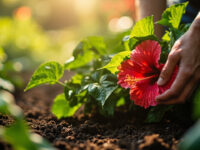
3. Red Hibiscus (Hibiscus rosa-sinensis)
Enormous flat-faced blooms that only last a day or two each but keep coming all summer are the giveaway here. It wants full sun, regular water, and warmth, thriving outdoors year-round in zones 9 through 11 and as a container plant you bring inside everywhere colder.
4. Red-Flowering Quince (Chaenomeles japonica)
Clusters of small, cupped flowers on bare branches in early spring before the leaves even show up make this one unmistakable. It is tough, drought-tolerant once established, and hardy to zone 4, which makes it a good pick for gardeners who want spring color without babying anything.
Shrubs give you the backbone, but vines and climbers are what turn a fence into a feature.
Vines and Climbers
If you have a trellis, arbor, or bare wall, this is where to look.
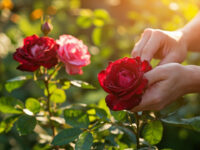
5. Red Climbing Rose (‘Blaze’ or similar)
Clustered blooms on long, trainable canes that rebloom through the season separate climbing roses from once-blooming shrub roses. They need at least six hours of direct sun, sturdy support, and yearly pruning, and they reward that work with color from early summer well into fall in zones 5 through 9.
6. Scarlet Runner Bean
Bright red pea-like flowers on a fast, twining annual vine make this the quickest red-flower payoff on the list, often blooming within six to eight weeks of sowing. It is edible too, doubling as a vegetable, and it asks for nothing more than full sun, a pole or trellis, and average soil.
7. Cardinal Climber
Small star-shaped red flowers with deeply cut, ferny leaves distinguish this from its cousin morning glory, and hummingbirds find it before you do. It is an easy annual vine from seed, wants full sun, and can cover 10 to 15 feet of trellis in a single season.
8. Trumpet Vine (Campsis radicans)
Long, tubular orange-red flowers on an aggressive, woody perennial vine are the identifying trait, and that aggression is the honest catch. It is hardy to zone 4, tolerates poor soil and neglect, and will spread by root suckers if you do not give it a hard boundary or a spot where that does not matter.
Vines climb, but sometimes you need color that stays low and spreads across the ground instead.
Bulbs and Rhizomes
These come back from underground storage, which means most of them are more forgiving than you would expect.
9. Red Tulip
A single upright cup on a bare stem in mid-spring is the classic red-flower image most people picture first. Plant bulbs 6 to 8 inches deep in fall after the soil has cooled, and expect the best show in year one, since many tulips decline after that without ideal conditions.
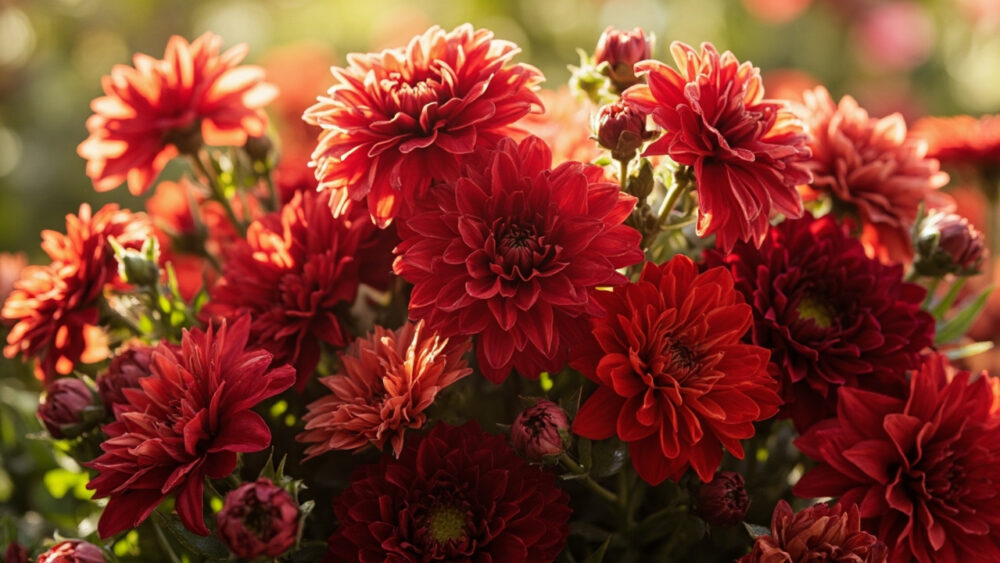
10. Red Dahlia
Densely petaled, dinner-plate-sized blooms in mid to late summer set dahlias apart from anything spring-blooming on this list. The tubers are tender and must be dug up and stored over winter anywhere colder than zone 8, which is the real trade-off for that much flower.
11. Red Canna Lily
Broad, tropical-looking leaves topped with ruffled red flowers give canna a completely different silhouette than a tulip or dahlia. It wants full sun, consistent moisture, and heat, and the rhizomes need digging and storing in winter anywhere north of zone 7.
Bulbs deliver drama on a schedule, but perennials are what fill in the gaps between the big moments.
Perennials for Beds and Borders
This is where most gardeners end up shopping, because these come back every year with the least fuss.
12. Red Bee Balm (Monarda ‘Jacob Cline’)
Shaggy, spiky flower heads that look almost like fireworks make bee balm easy to spot from across a yard, and hummingbirds treat it like a landing pad. It spreads by rhizome in full sun to light shade, is hardy to zone 4, and can get mildew in still, humid air if you crowd it.
13. Red Astilbe
If you assumed astilbe needs full sun because most perennial bloomers do, that assumption is exactly backward here. Feathery, plume-like flower spikes over fern-textured foliage thrive in part to full shade and consistently moist soil, making this one of the few genuinely shade-loving red flowers, hardy to zone 4 and miserable in dry sun.
14. Red Peony
Huge, ruffled blooms on a woody-based perennial that lives for decades once established is the defining trait, along with a bloom window of only two to three weeks in late spring. It wants full sun, a spot it will never need to be moved from, and patience, since a newly planted peony may take two to three years to flower well.
15. Red Zinnia
Flat or ball-shaped flowers on a fast, cheap annual that blooms nonstop from early summer to frost is the payoff for almost no effort. Direct-sow after your last frost in full sun, and deadhead spent blooms to keep new ones coming right up until cold weather stops them.
How to Choose the Right One
Match the plant to the spot before you fall for the flower, and you will skip most of the disappointment gardeners run into with red flowers specifically, since so many of the showiest ones have real limits on sun, soil, or winter hardiness.
- Space: decide if you need a vine for vertical cover, a shrub for permanent structure, or a low bed filler, since that alone eliminates most of the list immediately.
- Climate: check your hardiness zone against the plant’s range, and remember that tender bulbs like dahlia and canna need digging and winter storage anywhere colder than zone 7 or 8.
- Light: full sun is non-negotiable for roses, zinnias, and peonies, while astilbe and rhododendron want part to full shade instead.
- Purpose: pick hummingbird magnets like bee balm and cardinal climber if pollinators matter to you, or cut-flower types like dahlia and zinnia if you want vases full all summer.
- Care appetite: annuals like zinnia and scarlet runner bean give fast, low-commitment color, while peonies and rhododendrons ask for patience but repay it for decades.
- Bloom timing: stagger tulips in spring, roses and bee balm in summer, and dahlias into fall so something is always flowering instead of one big show and then nothing.
Pick one from each category that fits your light and zone, and you will end up with color from early spring straight through to the first hard frost.