Tradescantia root rot almost always comes down to one thing: soil that stayed wet too long and suffocated the roots. The fix, if you catch it in time, is to unpot the plant, cut away the mushy brown roots, and repot into fresh, fast-draining soil in a pot with real drainage holes. Do it now, not after one more watering “just to see.”
Here is the part most people get backwards. They see droopy, wilting leaves and pour on more water, assuming the plant is thirsty, when wilting from rot looks almost identical to wilting from drought. That single misread kills more tradescantias than the rot itself.
Below, every plausible cause ranked by how often it actually shows up, a quick test to tell them apart at your own plant, and an honest read on whether this one bounces back. There is a two-minute diagnosis checklist waiting at the very bottom, so keep scrolling once you’ve read the section that matches what you’re seeing.
What’s Actually Causing It, Most to Least Likely
1. Overwatering in slow-draining soil
This is the cause behind the vast majority of tradescantia rot cases. Tradescantia wants its soil to dry out most of the way between waterings, and if it’s sitting in dense, water-retentive potting mix, the bottom of the pot can stay soggy for a week or more without you knowing.
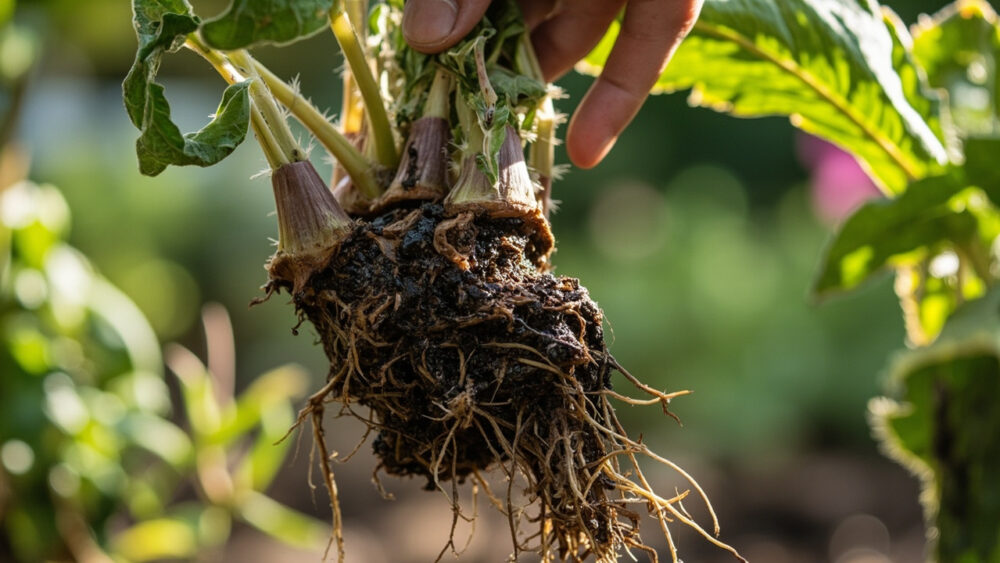
Confirm it: slide the plant out of the pot. Roots that are brown, black, or mushy and smell faintly sour or swampy are rotted, healthy roots are white to tan and firm.
Fix it: trim every soft, dark root back to firm white tissue with clean scissors, let the cut ends air-dry for an hour, then repot into fresh mix amended with perlite so it drains fast.
Get the roots right first, because none of the other fixes matter if the roots are still sitting in mush.
2. No drainage hole, or a cache pot trapping water
A pretty ceramic pot with no hole, or a nursery pot sitting inside a decorative sleeve, quietly holds an inch of water at the bottom that never evaporates. The plant looks fine for weeks, then collapses fast.
Confirm it by checking the bottom of the pot for a drainage hole and, if there’s an outer sleeve, lifting the inner pot out to see if water pools underneath.
Fix it by moving to a pot with drainage, or drilling one, and always emptying the saucer or sleeve within 30 minutes of watering.
This cause is sneaky because the watering schedule can be completely reasonable and the plant still rots.
3. Old, compacted potting soil
Potting mix breaks down over a year or two, the organic matter collapses into something closer to mud, and it stops draining the way it used to even if you water on the same schedule you always have.
Confirm it by pressing a finger into the top inch of soil, if it feels dense, greasy, or holds a fingerprint like clay, it’s spent.
Fix it with a full repot into fresh mix, not just a top-dressing, since the problem is structural, not surface-deep.
If the plant has been in the same soil for over a year, this is worth ruling out even if watering habits look innocent.
4. Pot sized way up for the plant
A small tradescantia dropped into a large pot means a lot of soil volume with very few roots to drink it dry, so the center stays wet long after the surface looks fine.
Confirm it by comparing root mass to pot size, if roots occupy less than half the pot, it’s oversized for now.
Fix it by sizing down to a pot only an inch or two wider than the root ball, and size up gradually as the plant fills in.
This one often hides behind a perfectly reasonable watering routine, which is why it gets missed.
5. Cold, wet conditions
Tradescantia slows down hard below roughly 60°F, and wet soil paired with cold temperatures rots roots far faster than the same moisture would at room temperature.
Confirm it by checking whether the plant sits near a drafty window, an unheated porch, or outdoors after a cold snap.
Fix it by moving the plant somewhere warmer immediately and cutting watering back hard until temperatures stabilize.
Cold is rarely the sole cause, but it turns a borderline watering habit into a real problem fast.
6. Fungal pathogens in the soil
Persistent overwatering can invite soil-borne fungi that attack roots directly, and once established they can keep rotting roots even after you correct the watering.
Confirm it by looking for a genuinely foul, rotten-egg smell at the roots, beyond the normal mild sourness of simple overwatering, sometimes with visible dark, threadlike or fuzzy growth on the roots themselves.
Fix it by trimming all affected roots, discarding the old soil entirely rather than reusing any of it, sterilizing the pot, and repotting into sterile fresh mix, treating with a fungicide labeled for houseplant root rot exactly per its label if the infection is advanced.
This is the cause most likely to come back, so watch the plant closely for a few weeks after treating it.
How to Tell the Causes Apart
Location on the plant is your best clue. Rot from wet soil starts at the base and lower stems, working upward, while cold damage tends to show first on whichever leaves sit closest to the draft or window.
Old versus new growth matters too. If the oldest, lowest leaves yellow and go mushy while new growth still looks decent, you likely caught it early.
If new growth is also stunted, pale, or wilting, the rot has progressed further and reached more of the root system.
- Smell: sour and mild points to simple overwatering, sharply foul points to fungal involvement.
- Stem feel: soft, translucent, or collapsing stems near the soil line mean rot has already climbed into the plant.
- Speed of decline: a slow fade over weeks fits compacted soil or oversized pots, a fast collapse over days fits a trapped-water cache pot or advanced fungal rot.
Once you know which pattern you’re looking at, the recovery odds get a lot more specific.
Will It Recover?
Simple overwatering caught early has good odds, often a full recovery within three to four weeks of repotting into dry, fast-draining soil, since tradescantia roots regrow quickly once conditions are right.
Drainage and cache-pot issues recover just as well once the trapped water is gone, provided you caught it before the stems went soft.
Compacted soil and oversized pots are honestly the easiest fixes here, and plants usually resume normal growth within two to three weeks of a proper repot.
Fungal rot is the one to be honest about: if more than half the root mass is gone or the main stem is soft and mushy for more than an inch above the soil, cut your losses on that plant and instead take healthy stem cuttings from any firm, green growth and root them fresh in water or soil.
Tradescantia roots easily from cuttings, which is genuinely good news if the original plant doesn’t make it.
Prevention is what actually keeps you from having this conversation again.
How to Keep It From Happening Again
Water only when the top one to two inches of soil are dry to the touch, not on a fixed weekly schedule regardless of season.
Always use a pot with a drainage hole, and if you love a decorative cache pot, empty it after every watering rather than letting the inner pot sit in standing water.
Refresh potting soil every twelve to eighteen months, since old mix loses its structure even if you’re watering correctly.
Keep the pot sized close to the root mass rather than sizing up for looks, and keep the plant somewhere that stays above roughly 60°F.
None of this is complicated, it’s just consistency, and consistency is exactly what most rotted tradescantias were missing.
Diagnosis Checklist
- Check the pot for a drainage hole, and if there’s a decorative sleeve, lift the inner pot out to check for pooled water underneath.
- Press a finger into the top inch of soil, if it feels wet, dense, or greasy rather than crumbly, moisture is likely the root cause.
- Slide the plant out of the pot and inspect the roots, firm and white or tan means healthy, soft and brown or black means rot.
- Smell the root ball, mild sourness points to simple overwatering, a sharp rotten-egg smell points to fungal involvement.
- Check where the damage starts on the plant, lower and older leaves first suggests early-stage rot, new growth affected too means it’s advanced.
- Squeeze the main stem near the soil line, firm means the plant is savable, soft or mushy means that stem is likely lost.
- Compare root mass to pot size, a small root ball in a large pot points to an oversized container as a contributing cause.
- Note the room temperature and draft exposure, cold combined with wet soil accelerates every other cause on this list.
- Decide accordingly: trim and repot if roots are mostly firm, take stem cuttings from healthy growth if the root system is mostly gone.
Run through that checklist once and you’ll know exactly which fix to make today, not just that something is wrong.
Fix the roots and the drainage, and tradescantia forgives almost everything else.