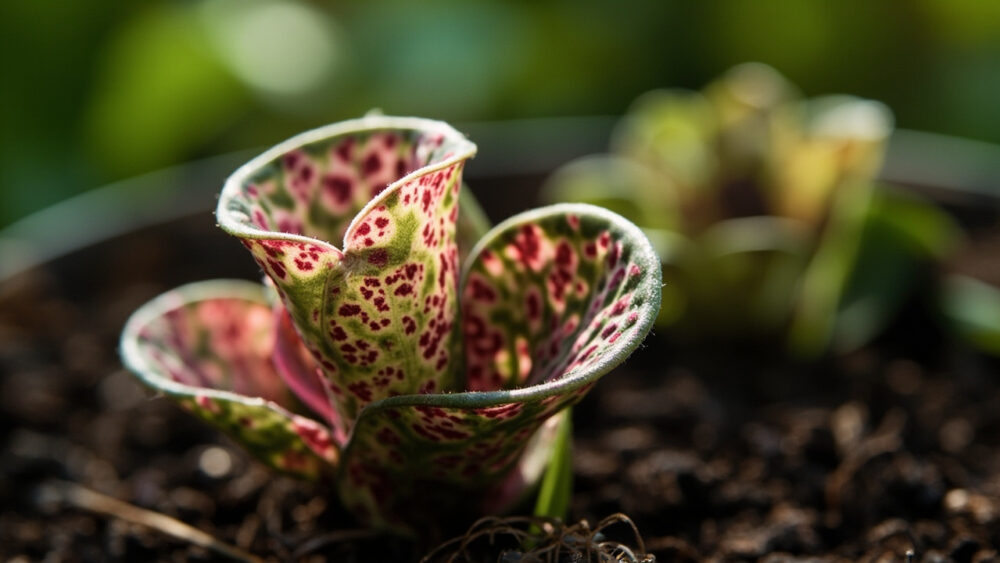
Polka dot plant leaves curling almost always means the roots are thirsty or the air around the plant is too dry, and the fix is usually as simple as checking the soil an inch down and moving the pot away from a heat source. This plant wilts and curls fast when it dries out, faster than a lot of other houseplants, so it’s often the first thing to check. But curling has a handful of other causes that get blamed on water when they shouldn’t be.
Everyone’s first guess is underwatering, and it’s right often enough to be dangerous, because it means real culprits like root rot, heat stress, or spider mites get missed for weeks. The detail that actually tells you which cause you’re dealing with isn’t how curled the leaves are, it’s where on the plant the curling started and whether the soil is wet or dry when you check it. That one detail rules out three or four possibilities immediately.
Stick around and I’ll walk you through every plausible cause in order of likelihood, how to confirm each one in under a minute, the honest odds of your plant bouncing back, and a save-able diagnosis checklist at the very bottom you can run through right now standing next to the pot.
Most Likely Causes, Ranked
1. Underwatering (the common one, and usually correct)
Confirm it: stick a finger into the soil to the second knuckle. If it’s dry and crumbly at that depth, and the pot feels light for its size, this is your cause. Leaves often curl slightly upward or inward along the edges and the whole plant looks a little deflated, not just the tips.
Fix it by watering thoroughly until it runs out the drainage holes, then let the top inch dry between waterings going forward. Polka dot plant likes consistent moisture, not a feast-or-famine schedule.
Get the water right and most curling reverses within a day or two, which is exactly why the next cause gets ignored.
2. Overwatering and root rot
Confirm it: same finger test, but this time the soil feels wet or soggy at the second knuckle, maybe even smells sour or swampy. Leaves curl and go limp or yellow at the same time, and lower leaves often go first.
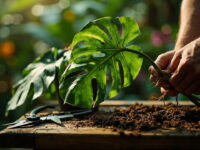
Fix it by stopping watering immediately and checking the roots. Slide the plant out of the pot; healthy roots are white to tan and firm, rotted roots are brown, mushy, and may smell bad.
Trim off any rotted roots with clean scissors, repot into fresh dry soil, and hold off watering for several days.
If the soil was wet when you checked, skip every watering-related fix below and go straight to root inspection.
3. Low humidity or heat stress
Confirm it: the soil is actually fine, moist but not soggy, yet leaves curl anyway, especially the ones nearest a heating vent, sunny window, or radiator. Curling tends to show up on whichever side faces the heat source.
Polka dot plant wants humidity in the 50 percent range and struggles below 40, and it hates sitting in a hot draft or blasting AC vent just as much as dry heat.
Move the pot at least a few feet from vents and glass, group it with other plants, or run a humidifier nearby.
A pebble tray or occasional misting helps a little, but it’s a minor assist, not a fix on its own.
4. Too much direct sun
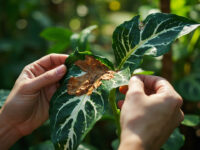
Confirm it: curling shows up on the side of the plant facing the window, and those leaves may also look bleached, faded, or have crispy brown edges alongside the curl. New growth is usually hit hardest since it’s the most tender.
Polka dot plant wants bright indirect light, not direct sun through glass, which can scorch it within a single afternoon in summer.
Pull it back from the window a couple feet or add a sheer curtain, and expect the damaged leaves to stay scarred even after you fix the light, though new growth will come in fine.
5. Pests, especially spider mites
Confirm it: flip curled leaves over and look for tiny specks, fine webbing in leaf joints, or a stippled, dusty look on the leaf surface. Curling here tends to hit new growth first and often comes with a general dulling of the pattern color.
Spider mites thrive in the same dry, warm air that causes heat stress, so the two often show up together.
Isolate the plant, rinse it well under the sink or shower to knock mites off, and follow up with an insecticidal soap or horticultural oil, following the product label exactly on repeat applications.
6. Fertilizer buildup or root-bound pot
Confirm it: soil moisture is fine, leaves curl and sometimes show crusty white residue on the soil surface or pot rim, and growth has slowed even though the plant is otherwise cared for well. Check for roots circling tightly at the bottom if you slide it out of the pot.
Flush the soil with plenty of plain water to clear excess salts, and repot into a container one size up if roots are dense and circling.
Once you’ve ruled these six in or out, the next question is how to tell them apart when two seem to fit at once.
How to Tell the Causes Apart
The soil test splits the field immediately. Dry soil points to underwatering or low humidity, wet soil points to overwatering, and normal moist soil points to light, pests, or fertilizer.
Where the curling starts matters almost as much. Lower and older leaves curling first usually means water stress in either direction. New growth curling first usually means pests, heat, or intense light hitting tender tissue.
One-sided curling, meaning it’s worse on the window side or vent side of the plant, is a strong tell for light or heat rather than a watering problem, which usually affects the whole plant evenly.
Webbing, speckling, or a faded pattern color is the pest tell that nothing else on this list produces.
Once you’ve matched the pattern to a cause, the real question most people want answered is whether the plant is actually going to make it.
Will It Recover?
Underwatering, low humidity, and heat stress have the best odds. Fix the condition and you’ll usually see improvement within a couple of days, with full recovery in a week or two as damaged leaves are replaced by new growth.
Overwatering is recoverable if caught before rot spreads far. If only a few roots are mushy, trimming and repotting usually saves the plant. If most of the root ball is brown and soft, the honest odds drop fast, and you may only save a cutting rather than the original plant.
Sun scorch damage on individual leaves is permanent on those specific leaves. They won’t un-curl or un-bleach, but the plant as a whole recovers fine once you move it, and new leaves grow in normal.
Pest damage recovers well if you catch it early and treat consistently, usually two to three treatments spaced a week or so apart. Left untreated for weeks, spider mites can defoliate a polka dot plant, which is one of the faster houseplants to decline once mites establish.
Fertilizer buildup and root-bound stress are almost always fully recoverable, since the fix is mechanical, not a race against tissue damage.
Recovery odds are good across the board here, which makes prevention worth the two minutes it actually takes.
How to Keep It From Happening Again
Water on a check-first schedule, not a calendar. Stick your finger in before every watering and only water when the top inch has dried.
Keep it out of direct sun and away from vents, radiators, and AC blasts entirely, since polka dot plant has almost no tolerance for either extreme.
Run a humidifier or group plants together if your home regularly sits below 40 percent humidity, especially in winter with heating systems running.
Inspect leaf undersides every couple of weeks when you water, since catching spider mites in week one instead of week four is the difference between a quick soap treatment and losing the plant.
Repot every year or two into a pot one size up, and flush the soil occasionally if you fertilize regularly.
That’s the maintenance side handled, now here’s the two-minute checklist to run right now at the plant.
Diagnosis Checklist
- Stick a finger into the soil to the second knuckle: if dry and the pot feels light, treat for underwatering first.
- If the soil feels wet or smells sour, stop watering and slide the plant out to check root color and firmness.
- If roots are white to tan and firm, look past watering to light, heat, or humidity as the cause.
- If roots are brown, mushy, or foul-smelling, trim rot and repot into fresh dry soil immediately.
- Check which side of the plant is worse: one-sided curling near a window or vent points to light or heat stress.
- Flip several curled leaves over and check for webbing, tiny specks, or a stippled surface, which confirms spider mites.
- Check the soil surface and pot rim for white crust, and check for tightly circled roots, to confirm fertilizer buildup or a root-bound pot.
- Match your findings to the closest cause above and apply that fix today, then recheck the plant in two to three days.
Most polka dot plant curling traces back to something you can fix this afternoon, not a plant that’s already lost.
Get the water and light right, and the pattern comes back brighter than you’d expect.