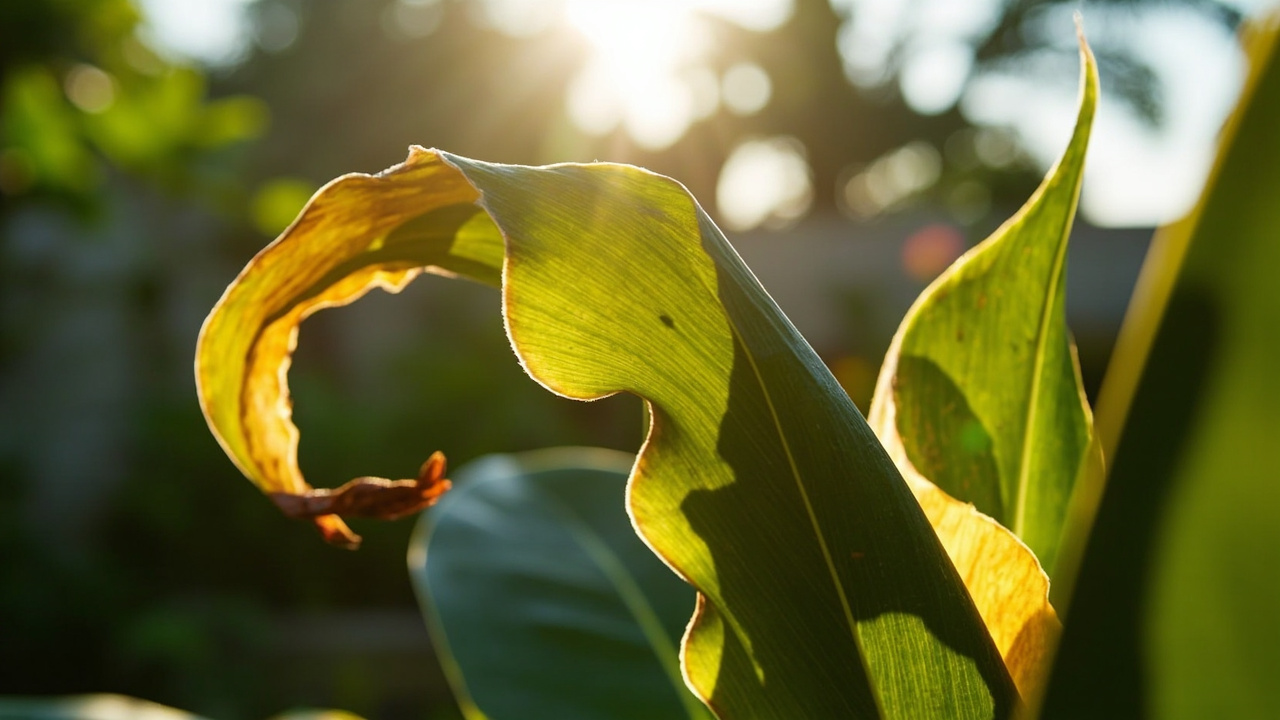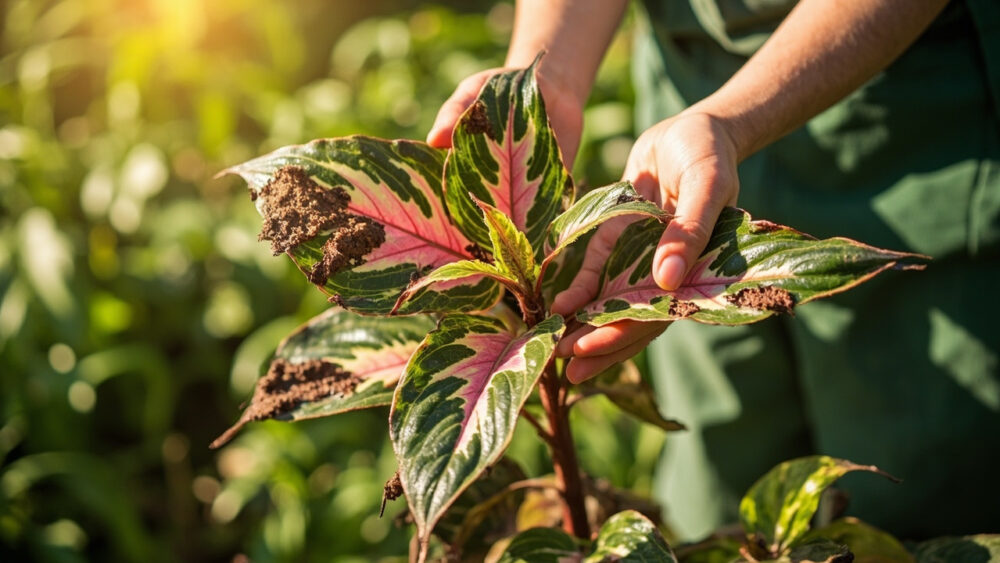
Nine times out of ten, polka dot plant brown tips come from low humidity and inconsistent watering working together, not one dramatic mistake. The fix is usually boring: water more consistently and get the air around the plant more humid, not more sunlight or more fertilizer. This plant is a rainforest floor dweller with thin leaves, and thin leaves show stress fast.
Most people blame the sun first. That is almost never it unless the plant is sitting in a hot south-facing window with no protection at midday.
The real clue is not the color of the tip itself, it is where on the plant the browning shows up first and whether the edges feel crisp or mushy. That single detail points you straight at the right cause. Stick around for the honest recovery outlook, because some of these tips will not turn green again no matter what you do, and for the two-minute diagnosis checklist saved for the bottom so you can run it standing right at the plant.
Causes, Most to Least Likely
1. Low humidity
Polka dot plants (Hypoestes phyllostachya) want humidity in the 50 to 60 percent range. Most homes sit at 30 to 40 percent, especially with heat or AC running. Confirm it: tips are crisp and dry, browning is scattered across the whole plant rather than one side, and it’s worse near a heat vent, radiator, or drafty window. Fix it: group plants together, run a small humidifier nearby, or set the pot on a pebble tray with water below the pot’s base. Misting helps briefly but does not move the needle much on its own.
If the air feels dry to your own skin, it feels drier still to a leaf this thin.
2. Inconsistent watering
This plant does not tolerate the soil drying out completely between waterings, and it does not like sitting soggy either. Both extremes show up as brown tips. Confirm it: stick a finger an inch into the soil, if it’s bone dry and pulls away in a hard clump, or if it’s waterlogged and smells sour, that’s your answer. Fix it: water when the top inch just starts to feel dry, aiming for evenly moist, never bone dry and never swampy. A pot with drainage holes makes this far easier to get right.
Get the watering rhythm steady and you fix more than half of all brown-tip cases on this plant.
3. Underwatering specifically (wilting before browning)
Separate from general inconsistency, chronic underwatering has its own tell. Confirm it: the plant droops noticeably between waterings, older lower leaves brown at the tips and edges first, and the whole plant looks tired before it looks brown. Fix it: increase watering frequency rather than the amount per session, and check soil moisture every two to three days rather than on a fixed weekly schedule, since pot size, heat, and season all change how fast it dries.
A plant that wilts and then browns is asking for water more often, not more at once.
4. Fertilizer buildup or overfeeding
Too much fertilizer, or fertilizer applied to dry soil, burns the roots and shows up as browning at leaf tips and margins. Confirm it: you’ve been feeding every watering or using a strong mix, you see a white or crusty buildup on the soil surface or pot rim, and the browning looks papery with a slightly yellow halo around it. Fix it: flush the pot with plain water until it runs freely from the drainage holes, then hold off feeding for four to six weeks. When you resume, feed at quarter to half strength, monthly, during active growth only.
If the soil surface looks crusty, that’s fertilizer talking, not thirst.
5. Tap water sensitivity
Polka dot plants can react to the chlorine, chloramine, or dissolved salts in some tap water, especially over months of use. Confirm it: browning is mild, mostly at the very tip, spread evenly across leaves of all ages, and nothing else about the plant’s care has changed recently. Fix it: switch to filtered water, rainwater, or tap water left out uncovered overnight so chlorine can dissipate.
This one is subtle and easy to miss, which is exactly why it belongs on the tell-apart list next.
6. Direct sun or heat scorch
Real, but rarer than people assume. Confirm it: browning appears only on the side facing a bright window or a heat source, leaves there may also look bleached or faded in color, not just brown-tipped. Fix it: move the plant back from direct afternoon sun, bright indirect light is what this plant actually wants, and keep it a few feet from radiators, vents, and space heaters.
Now that you’ve got the individual suspects, here’s how to line them up against what your plant is actually showing you.
How to Tell the Causes Apart
Start with location on the plant. Old, lower leaves browning first usually means underwatering or a general moisture inconsistency. New growth or scattered leaves across the whole plant, regardless of age, points more toward humidity or water quality.
Next check texture. Crisp and dry tips mean humidity or underwatering. Mushy brown, especially with yellowing, means overwatering or root trouble, a different problem than this article’s main focus but worth ruling out with a root check if the soil stays wet for days.
Finally check the pattern. One-sided browning near a window means sun or heat. Even, all-over speckled browning with a papery feel and no wilting often traces back to tap water or mild fertilizer buildup.
Once you know which pattern matches your plant, the next question is whether those brown tips are ever coming back.
Will It Recover?
Here’s the honest part: a leaf tip that has already turned brown and dry will not turn green again. That tissue is dead. Recovery means the plant stops making new brown tips, not that old ones reverse.
For humidity and watering causes, new growth typically comes in clean within two to four weeks of fixing the routine, since polka dot plants grow fast when they’re happy. Fertilizer burn takes a bit longer, often four to six weeks after flushing, since the roots need time to recover before new leaves show it.
Tap water sensitivity and mild sun scorch resolve at the same pace as new leaves replace old ones, usually within a month under stable care.
When to cut losses: if more than half the plant is brown, stems are going soft or dark at the base, or the plant hasn’t produced any new growth in six or more weeks despite fixes, it may be past saving as a whole. Polka dot plants root easily from stem cuttings, though, so take a few healthy tip cuttings and start fresh rather than nursing a plant that’s mostly gone.
If the diagnosis and fix worked, the last piece is making sure you don’t end up back here in a month.
How to Keep It From Happening Again
Consistency beats perfection with this plant. Water on a moisture check, not a calendar, and keep the soil evenly damp rather than swinging between soaked and dry.
Keep humidity above 50 percent where you can, particularly in winter when heating systems dry the air hard. A pebble tray or nearby humidifier is a permanent fix, not a one-time rescue.
Feed lightly and only during active growth, skip winter feeding entirely, and flush the pot with plain water every couple of months to clear mineral buildup.
Keep it in bright, indirect light and a few feet clear of heat vents and cold drafts alike, since this plant dislikes extremes in either direction.
With those habits in place, brown tips become rare instead of routine, and you’re ready to run the full check below any time a new one shows up.
Diagnosis Checklist
- Touch a browning tip: if it’s crisp and dry, suspect humidity, watering, or water quality, if it’s soft and mushy, suspect overwatering or root issues instead.
- Check where on the plant the browning is: old lower leaves first points to underwatering, scattered all over points to humidity or tap water.
- Stick a finger one inch into the soil: bone dry means underwatering, soggy or sour smelling means overwatering.
- Look for one-sided browning near a window or vent: if found, move the plant back from direct sun or heat sources.
- Check the soil surface for white crust or buildup: if present, flush the pot thoroughly and pause feeding for four to six weeks.
- Recall your water source: if you use straight tap water, switch to filtered water or water left out overnight.
- Estimate room humidity: if it feels dry to your skin, add a pebble tray or humidifier near the plant.
- Count how much of the plant is affected: under half, treat and wait, over half with soft stems, take cuttings and start fresh.
Run through that list once, fix the one thing that matches, and give it a few weeks before judging the result.
Brown tips already there are permanent, but the plant behind them usually isn’t done yet.