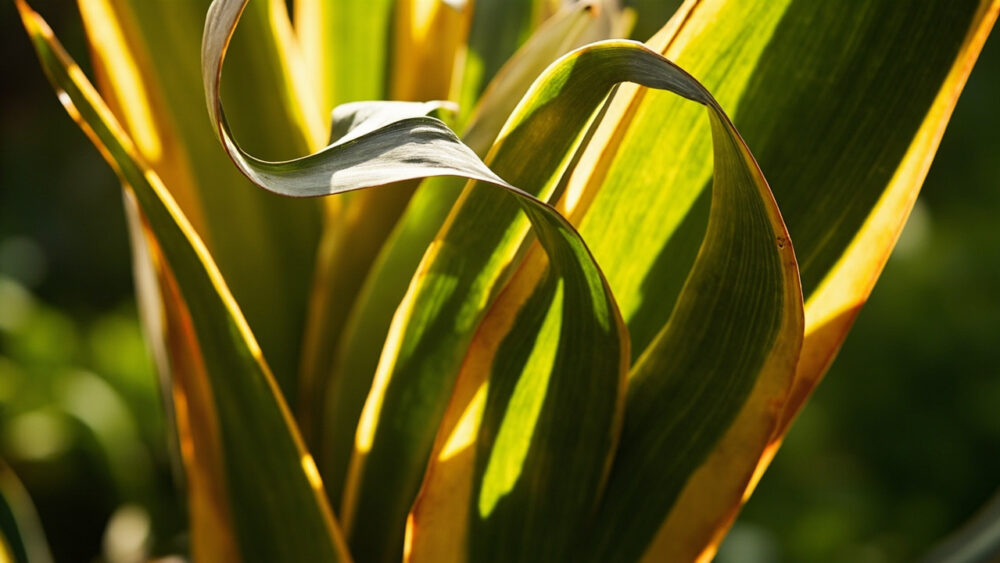
Nine times out of ten, dracaena leaves curling means the plant is thirsty or the air around it is too dry, not overwatered like most people assume first. The fix in that case is simple: check the soil an inch or two down, and if it is dry, water thoroughly and raise the humidity around the plant. But curling has a few other causes that look almost identical at a glance, and guessing wrong can cost you the plant.
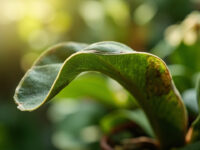
Most people blame overwatering first because that is the internet’s default answer for every houseplant problem. It is usually the wrong guess here. Dracaenas curl their leaves lengthwise, like a taco, far more often from lack of water, low humidity, or a root system that cannot take up water at all, sometimes because there is too much of it sitting in the pot.
There is one detail on the plant that tells you which cause you actually have: whether the curling starts on old lower leaves or new growth, and whether it comes with brown crispy tips, soft mushy spots, or no discoloration at all. We will walk through each cause, how to confirm it in under a minute, and the exact fix. The save-able diagnosis checklist is at the bottom, so you can run through it right at the plant.
Most Likely Causes, Ranked
1. Underwatering or drought stress
Confirm it: push a finger 2 inches into the soil. If it is bone dry and the pot feels light when you lift it, this is your cause. Leaves often curl inward lengthwise and may feel slightly limp or thinner than normal, usually starting with the oldest leaves.
Fix: water thoroughly until it runs from the drainage holes, then let the top inch or two dry out before the next watering. Dracaenas prefer to dry out somewhat between waterings, but “dry” should not mean bone dry for weeks at a stretch.
Get the watering rhythm wrong in the other direction, though, and you land on the next cause.
2. Low humidity or dry indoor air
Confirm it: this shows up hardest in winter, near heat vents, or in rooms with air conditioning running constantly. Leaf edges curl and often turn crispy brown at the very tips, even though the soil is properly moist.
Fix: group plants together, run a humidifier nearby, or move the dracaena away from vents and drafty windows. Misting gives a brief cosmetic boost but does not meaningfully raise humidity for long, so do not rely on it alone.
If the soil is wet rather than dry, the story changes completely.
3. Overwatering and root rot
Confirm it: soil stays soggy days after watering, the pot feels heavy, and you may notice a sour or musty smell at the soil line. Leaves curl but also often yellow, and the base of the stem can feel soft rather than firm.
Fix: stop watering immediately and let the soil dry out. If the pot has no drainage hole, that is very likely the root cause and needs to change now.
For a plant that is far gone, unpot it, trim away any black or mushy roots, and repot into fresh, fast-draining soil.
This one has the worst prognosis of the bunch, and we will be honest about that later.
4. Cold drafts or temperature shock
Confirm it: think about recent moves. A spot near an exterior door, a drafty single-pane window, or a plant that just came home from a nursery in cold weather all fit. Curling often shows up suddenly on the leaves closest to the cold source, sometimes with a grayish or water-soaked look.
Fix: move the plant somewhere steady, ideally 65 to 80°F, away from drafts, AC blasts, and cold glass. Damaged leaves will not un-curl, but new growth should come in normal once conditions stabilize.
Salt and mineral buildup causes a slower, quieter version of this same stress.
5. Fertilizer or mineral salt buildup
Confirm it: look for a white or crusty crust on the soil surface or pot rim, and think back on whether you have been feeding heavily or using unfiltered tap water for a long time. Leaf tips and edges curl and brown, similar to low humidity damage, but the pattern is more uniform across the plant.
Fix: flush the soil with plain water, roughly two to three times the pot’s volume, letting it drain fully each time. Cut fertilizer back to a light feeding every four to six weeks during active growth, and skip it entirely in winter.
Pests are the last thing to rule out, and they are easy to miss if you are not looking closely.
6. Pests, especially spider mites or thrips
Confirm it: check the undersides of curling leaves and the leaf axils with a magnifying glass or your phone camera zoomed in. Look for tiny moving specks, fine webbing, or stippled pale patches on the leaf surface.
Fix: isolate the plant, rinse leaves under running water to knock pests down, and treat with insecticidal soap or horticultural oil, following the product label exactly. Repeat treatments are usually needed 7 to 10 days apart to catch newly hatched pests.
Now that you have the list, here is how to actually tell them apart on your specific plant.
How to Tell the Causes Apart
Location matters more than people expect. Old, lower leaves curling first points to underwatering, root rot, or general water stress. New growth curling while old leaves look fine points more toward pests, cold shock, or a very recent environmental change.
Texture is your next clue. Crispy, dry, brown-tipped curling means dry air, underwatering, or salt buildup. Soft, mushy, yellowing curling means overwatering and possible rot.
Pattern across the plant matters too. Uniform curling on every leaf suggests an environmental cause like humidity or temperature. Patchy, random curling on scattered leaves suggests pests or localized drafts.
Once you have matched the pattern, the next question is the one everyone actually wants answered.
Will It Recover?
A leaf that has already curled will not un-curl and go flat again. The realistic goal is always stopping the cause so new growth comes in normal, while the damaged leaves either stay as-is or eventually get trimmed off.
Underwatering and low humidity have the best outlook. Correct the routine and you will usually see healthy new growth within 3 to 6 weeks.
Cold shock and salt buildup recover almost as well once the stressor is removed, though a few damaged leaves may drop on their own.
Root rot is the honest exception. Caught early, with firm roots still present after trimming, the plant often pulls through. If most of the root mass is black, mushy, or foul-smelling, the plant is unlikely to recover, and it is reasonable to take healthy top cuttings and start over rather than fight a losing battle.
Whatever caused it this time, prevention is genuinely simple going forward.
How to Keep It From Happening Again
Water on a check-first schedule, not a calendar schedule. Stick a finger in the soil before every watering rather than watering on autopilot every seven days regardless of conditions.
Keep the pot draining freely, always with a drainage hole, and never let the plant sit in standing water in a saucer or decorative outer pot.
Give it steady room temperature and keep it a few feet from heating vents, cold windows, and exterior doors. Run a humidifier or a pebble tray during dry winter months if your home’s air gets noticeably dry.
Flush the soil with plain water every couple of months if you fertilize regularly, and inspect leaf undersides once a month so pests never get a head start.
With the causes and fixes covered, here is the two-minute version to run right now at the plant.
Diagnosis Checklist
- Check soil moisture 2 inches down: if bone dry, suspect underwatering, water thoroughly and reassess in a week.
- Check soil moisture again: if soggy or sour-smelling, suspect overwatering or root rot, stop watering and check the roots.
- Check the pot for a drainage hole: if there is none, this is likely contributing regardless of what else you find.
- Check leaf tips for crispy brown edges with moist soil underneath: if present, suspect low humidity, move away from vents and add a humidifier.
- Check the soil surface for white crust: if present, suspect salt or fertilizer buildup, flush the soil thoroughly.
- Check recent plant placement: if near a drafty window, AC vent, or exterior door, suspect cold or temperature shock, relocate the plant.
- Check leaf undersides and leaf axils with magnification: if you see webbing, specks, or stippling, suspect pests, isolate and treat.
- Check whether curling is on old leaves or new growth: old leaves point to water stress, new growth points to pests or sudden environmental change.
- Check root color and firmness if rot is suspected: firm and white means treatable, black and mushy means the outlook is poor.
Run this checklist once, fix the one thing that matches, and leave the rest alone.
Dracaenas are forgiving plants once you find the actual cause instead of guessing.