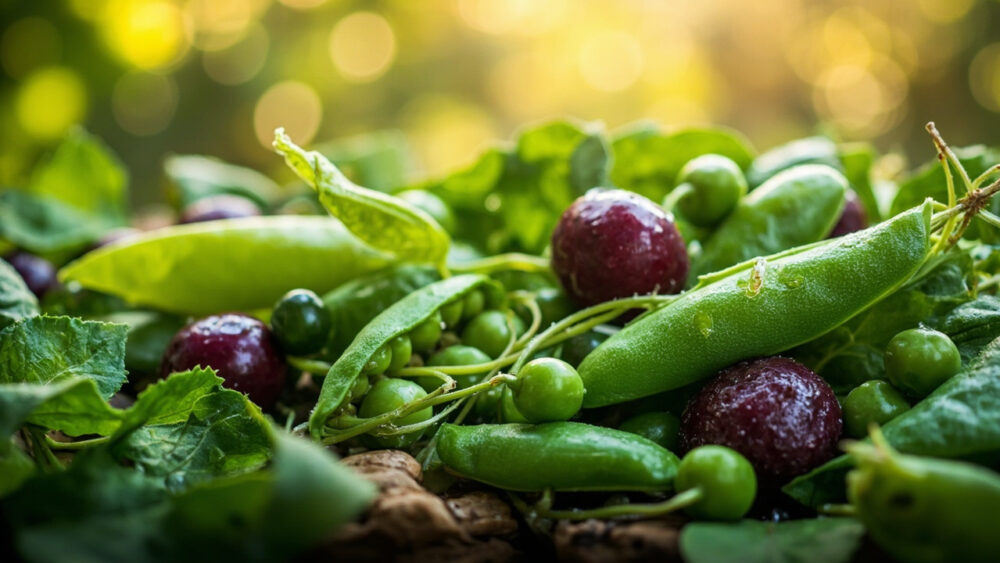
The fastest way to narrow fifteen pea varieties down to one is deciding what you actually want to eat: the pod, the shelled pea inside, or both at once. That single distinction splits every pea into shelling peas, snap peas, and snow peas, and it matters more than any other trait on this list. Get that right and you can pick almost any variety in the right category and grow well, get it wrong and you will be standing in the garden in July wondering why your “sweet” peas taste starchy or your snow peas have gone fat and tough.
Most gardeners default to sugar snap peas because that is the name they remember from seed racks, but plenty of them would be happier with a snow pea or an old-fashioned shelling variety depending on how they actually cook. There is also a quietly excellent category, the semi-leafless and short-vine types, that experienced growers reach for once they get tired of building trellises every spring.
Stick around for number 13, a pea most people mistake for something it is not, and the final entries below cover the varieties worth seeking out for flavor alone. The full how-to-choose method, the one that actually accounts for your climate and how much fussing you want to do, is waiting at the bottom.
Classic Shelling Peas
These are the peas you shell out of the pod, the ones for soup, purees, and eating by the handful straight off the vine.
1. Green Arrow
Heavy yields per plant are this variety’s whole reason for existing. It sets two pods per node instead of one, matures in about 68 to 70 days, and stays resistant to fusarium wilt and powdery mildew better than most heirlooms, making it a solid pick for anyone who has lost a pea crop to disease before.
2. Lincoln
An old, reliable heirloom from the early 1900s that shellers still grow because the flavor holds up even as the peas size up. It tolerates a bit more heat at the tail end of the season than most shelling types, buying you an extra week or two before the vines give out.
3. Wando
Built for heat tolerance more than any other shelling pea on this list. If your springs warm up fast and most peas quit on you by early summer, Wando keeps producing through warmer stretches that would stop Green Arrow or Lincoln cold.
4. Alaska
The earliest shelling pea most seed catalogs carry, ready in as little as 55 to 60 days. The peas are smaller and starchier than Lincoln’s, better suited to drying and split-pea soup than fresh eating, which is exactly why old-timers grew it that way.
If you skipped straight to sugar snaps without reading this section, the next category is probably the one you actually wanted.
Sugar Snap Peas
These are the ones you eat pod and all, crisp and sweet, no shelling required.
5. Sugar Ann
A compact snap pea that tops out around 18 to 24 inches, short enough to grow without a full trellis system. It matures fast, around 56 days, which makes it the forgiving choice for a first-time pea grower.
6. Super Sugar Snap
The improved version of the original sugar snap, bred for better disease resistance and thicker, crunchier pods. Vines run 5 to 6 feet and need real support, but the payoff is pods that stay sweet longer before turning starchy on the vine.
7. Cascadia
Bred specifically for wind and weather resistance, which matters if you garden somewhere exposed. It stays shorter than Super Sugar Snap, around 24 to 30 inches, and its pods hold their sweetness well even if you are a day or two late picking.
8. Sugar Snap (original)
This is the variety most people picture when they say “sugar snap pea,” and it is the one most gardeners pick for the wrong reason: pure name recognition, not because it suits their space. It runs 6 feet or taller and demands a sturdy trellis, so if you do not want to build one, Sugar Ann or Cascadia will treat you better.
Snow peas work almost opposite to snap peas, and the difference is bigger than most people expect.
Snow Peas
Flat pods, barely-there peas inside, and a crisp bite that makes them the backbone of stir-fries rather than soups.
9. Oregon Sugar Pod II
The standard snow pea for a reason: heavy yields, good disease resistance, and pods that stay tender at a larger size than most snow peas allow. Vines run 24 to 30 inches and rarely need more than light staking.
10. Mammoth Melting Sugar
A taller, old-fashioned snow pea that climbs 4 to 5 feet and produces large, flat pods with genuinely sweet flavor when picked young. Let the pods sit even a day too long and they turn stringy fast, so this one rewards a grower who checks the vines daily.
11. Golden Sweet
A yellow-podded snow pea grown as much for its looks as its flavor, with purple flowers that make it worth a spot near a fence or arbor even in a mixed ornamental bed. It climbs 5 to 6 feet and needs real support, but the color alone sets it apart from every other pea on this list.
The next group is the one seasoned growers quietly switch to once trellising every spring gets old.
Semi-Leafless and Short-Vine Types
These varieties trade some vine height for stiffer stems and tangled tendrils that hold each other up, meaning less staking and less fuss.
12. Novella
A semi-leafless shelling pea bred with extra tendrils instead of regular leaves. Those tendrils grab onto each other and stand the row up on its own in a lot of gardens, cutting your trellis work down significantly.
13. Half-Pint
This is the pea most people mistake for a snap pea because of the name and the compact size, but it is actually a shelling pea bred for containers, topping out around 12 to 15 inches with no support needed at all. If you only have a patio or a raised bed with no room for a trellis, this is the variety built for exactly that problem, not the sugar snap everyone assumes will work.
14. Tom Thumb
An heirloom dwarf shelling pea that grows just 8 to 9 inches tall, short enough for a windowsill container in cool weather. Yields are modest since the plant is tiny, but it is one of the few peas that genuinely works in a small pot on a balcony.
One category left, and it is the one flavor-focused growers ask for by name.
Flavor-First Specialty Peas
These earn their spot for taste and texture rather than yield or convenience.
15. Sugar Magnolia
A purple-podded snap pea with a sweetness that most gardeners rate above standard green snap types, plus striking violet pods and flowers that make it a favorite in ornamental-edible beds. Vines run tall, 6 feet or more, and need sturdy support, but growers who taste it side by side with a regular sugar snap rarely go back.
How to Choose the Right One
Work through these in order and you will land on the right pea faster than scrolling seed catalogs for another hour.
- Check your space first: a trellis-ready spot points you toward tall snap or snow peas, a container or small bed points you toward Half-Pint or Tom Thumb.
- Match your climate: cool, short springs favor early types like Alaska or Sugar Ann, while warmer or longer springs let heat-tolerant Wando keep producing after others quit.
- Decide how you cook: soups and purees want shelling peas, stir-fries and salads want snow peas, snacking straight off the vine wants snap peas.
- Weigh your appetite for trellising: semi-leafless types like Novella cut staking work, tall heirlooms like Mammoth Melting Sugar demand real support.
- Consider disease history: if wilt or mildew has hit your soil before, lean toward resistant modern varieties like Green Arrow or Cascadia over older heirlooms.
- Let flavor break the tie: when two varieties fit your space and climate equally well, pick Sugar Magnolia or Lincoln for the better eating experience.
Fifteen varieties, one soil test away from the right pick: peas like it cool, want soil around 45 to 75 F to germinate well, and sulk fast once summer heat sets in.
Pick based on how you eat, not the name on the seed packet, and you will not be disappointed come harvest.