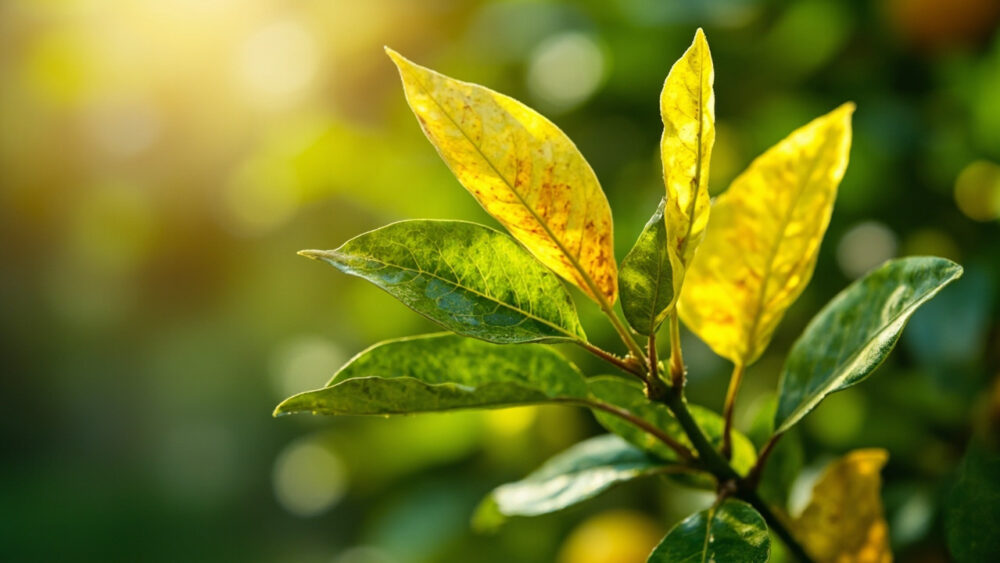
The most common cause of yellow leaves on a lemon plant is a nitrogen or magnesium deficiency, usually made worse by soggy or fast-draining potting mix that never lets the roots settle into a rhythm. The fix in most cases is boring but effective: correct the watering routine first, then feed with a citrus-specific fertilizer on a real schedule. Get that combination right and new growth usually comes in green within four to six weeks.
Everyone blames the water first, and sometimes that guess is right, but just as often the plant is getting watered on a schedule instead of by feel, which causes the exact same yellowing whether the soil is too wet or too dry. The detail that actually tells you which cause you’re dealing with isn’t the color of the leaf, it’s where on the plant the yellowing started and whether the veins stayed green.
Stick with this. Below you’ll find every likely cause ranked by how often it’s actually the culprit, a side-by-side way to tell them apart fast, an honest recovery timeline, and a two-minute diagnosis checklist at the very bottom you can run right now standing next to the plant.
Most Likely Causes, Ranked
1. Overwatering or poor drainage
Confirm it: stick a finger 2 inches into the soil. If it’s wet and heavy, or the pot has no drainage hole, or water sits on the surface for more than a few seconds after you pour, this is your cause. Yellowing shows up on older, lower leaves first, often with a slightly droopy or soft feel rather than crispy edges.
Fix it: let the top 2 to 3 inches of soil dry out between waterings. Repot into a container with drainage holes if it doesn’t have them, using a fast-draining citrus or cactus-based mix. Never let the pot sit in a saucer of standing water.
If the soil test came back dry instead of wet, the story changes completely.
2. Underwatering
Confirm it: soil is dry more than 2 inches down, leaves feel dry and papery rather than soft, and yellowing often comes with leaf drop and curling edges. Older leaves usually go first here too, which is why it gets confused with overwatering.
Fix it: water deeply until it runs from the drainage holes, then don’t water again until that top few inches dries out. Lemons want consistent moisture, not a dry-then-drenched cycle. A regular schedule is guesswork; the finger test is not.
Watering habits explain a lot, but nutrients are close behind and easy to miss.
3. Nitrogen deficiency
Confirm it: uniform pale yellowing on the oldest, lowest leaves, sometimes the whole leaf fading evenly with no distinct pattern. New growth at the tips still looks fine for a while.
Fix it: feed with a citrus fertilizer formulated with extra nitrogen, following the label rate, during the active growing season (spring through early fall for most climates). Container lemons burn through nitrogen fast because regular watering flushes it out of the mix.
If the yellowing has a distinct pattern rather than an even fade, look at magnesium instead.
4. Magnesium deficiency
Confirm it: this is the classic citrus tell. Older leaves yellow between the veins while the veins themselves stay green, sometimes forming a rough V or arrow shape pointing toward the leaf tip.
Fix it: a diluted Epsom salt drench (follow the product label rate for citrus) or a citrus fertilizer that includes magnesium and other micronutrients corrects it within a few weeks. This deficiency is extremely common in potted lemons because regular potting mix runs low on magnesium fast.
Nutrient problems are the most fixable cause on this list, but they’re not the only thing that mimics them.
5. Root stress from repotting or cold
Confirm it: yellowing and leaf drop that started shortly after a repot, a cold snap, a draft from an AC vent or open door, or a move to a new spot. It tends to hit all over the plant at once rather than starting at the bottom.
Fix it: there’s no quick reversal here, just stability. Keep the plant at a steady temperature above 55°F, out of cold drafts, and don’t fertilize or repot again while it’s recovering. Give it a consistent spot with bright indirect to direct light.
If none of this matches and the yellowing is uneven or spotty, pests may be behind it.
6. Spider mites or scale
Confirm it: flip the leaves over. Fine webbing or tiny moving specks point to spider mites; small brown or tan bumps that don’t brush off point to scale. Yellowing here often looks stippled or speckled rather than solid, and you may notice sticky residue on leaves below the infestation.
Fix it: rinse the plant down thoroughly, then treat with insecticidal soap or horticultural oil, following the product label exactly on timing and reapplication. Isolate the plant from other houseplants while treating.
Once you’ve ruled pests in or out, the last common cause is simpler than all of these.
7. Natural old-leaf shedding
Confirm it: only one or two of the oldest leaves near the base are yellowing and dropping, the rest of the plant looks green and healthy, and it’s happening slowly over weeks.
Fix it: nothing to fix. Lemons shed their oldest leaves periodically as part of normal growth. Just remove the yellowed leaf once it’s fully brown and crisp.
Now that you’ve got the list, here’s how to match your plant to the right one fast.
How to Tell the Causes Apart
Location matters most. Bottom leaves only, usually water or nitrogen. Yellow between green veins on older leaves, magnesium. Yellowing all over at once, cold stress or transplant shock. Speckled or stippled with webbing, pests.
Check the soil before you check anything else, since watering issues cause more yellow leaves than every other cause combined.
Then check the pattern on the leaf itself: solid fade means nutrients or water, patchy or veined means magnesium or pests.
With the cause narrowed down, the next question is how much of the plant you can actually get back.
Will It Recover?
Watering fixes are the fastest to reverse. Correct the routine and you’ll usually see new green growth within three to four weeks, though already-yellowed leaves won’t turn green again and will eventually drop.
Nutrient deficiencies respond almost as well. Nitrogen and magnesium corrections typically show improvement in new leaves within four to six weeks of consistent feeding.
Cold and transplant stress take longer and test your patience more than your skill. Give it eight to twelve weeks of stable conditions before deciding it’s not coming back.
Pest damage is recoverable if caught early, but a heavy infestation that’s caused significant leaf drop on top of yellowing is a harder case, and repeated treatments over several weeks are normal, not a sign of failure.
Cut your losses only if the plant has dropped most of its leaves, the stems have gone soft or black at the base, or there’s been no new growth at all after three full months of correct care.
Prevention from here on is mostly about not repeating whatever caused this round.
How to Keep It From Happening Again
Water by feel, not by schedule. Check the top 2 inches of soil before every watering, every time, regardless of what day it is.
Feed on a real citrus schedule, typically every 4 to 6 weeks during active growth and not at all in winter dormancy for most climates.
Use a fast-draining pot with holes, and refresh the potting mix every 12 to 18 months since old mix compacts and holds too much water.
Keep the plant away from cold drafts, heater vents, and sudden temperature swings, and inspect the undersides of leaves monthly for early pest activity before it becomes visible yellowing.
Diagnosis Checklist
- Check the soil 2 inches down: wet and heavy means overwatering, dry and papery means underwatering.
- Look at which leaves are yellow: bottom leaves point to water or nitrogen, all-over yellowing points to cold or transplant stress.
- Check the vein pattern: solid yellow fade suggests nitrogen, yellow between green veins suggests magnesium.
- Flip a few leaves over: webbing or specks mean spider mites, small hard bumps mean scale.
- Note any recent changes: repotting, a move, a cold draft, or a missed watering stretch in the last two to three weeks.
- Count how many leaves are affected: one or two old leaves dropping slowly is normal shedding, not a problem.
- Match your findings to the cause above and apply that fix only, resisting the urge to water more, feed more, and treat for pests all at once.
Most yellow lemon leaves trace back to water or a missing nutrient, both of which are fully within your control.
Fix the actual cause instead of guessing, and the next flush of leaves should come in green.