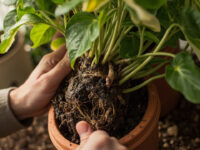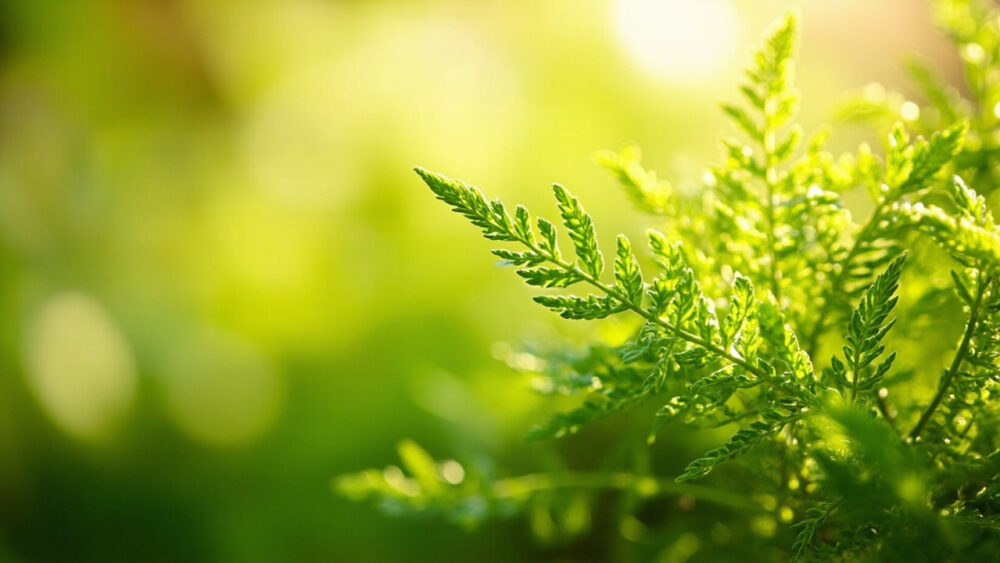
Yes, asparagus fern is toxic to cats. Not as dangerous as lilies, but not a plant you want your cat chewing on regularly either. The berries are the biggest concern, and repeated contact with the sap can cause skin irritation on top of the digestive upset from eating it.
The tricky part is that asparagus fern (Asparagus setaceus, sometimes sold as Asparagus densiflorus or “Sprengeri fern”) looks completely harmless. It is feathery, soft, cat-height on most shelves and hanging baskets, and it practically invites a curious swat or nibble. That’s exactly why it sends so many cats to the vet clinic every year, not because it’s the deadliest houseplant out there, but because it’s one of the most commonly kept.
Below I’ll cover what part of the plant actually causes the problem, the signs to watch for, what to do right now if your cat already got into it, and a few genuinely cat-safe look-alikes if you love the texture but want to stop worrying. There’s also a save-able quick-reference card at the bottom you can screenshot before you put the plant back on the shelf.
The Plain Answer: Yes, But It’s Not the Worst Case
Asparagus fern is classified as toxic to cats and dogs by the ASPCA and most veterinary toxicology references. The reaction is usually gastrointestinal rather than life-threatening.
Most cases involve vomiting, diarrhea, or abdominal discomfort after a cat eats the foliage or berries. It is not typically fatal, but that doesn’t mean you should treat it as a non-issue. Sap exposure adds a second problem: contact dermatitis on the skin or around the mouth, separate from anything that happens after swallowing.
So the honest ranking: mild to moderate toxicity, uncomfortable rather than catastrophic in most healthy adult cats, but still a genuine reason to call your vet, not a “just watch and see” situation.
Next, the part almost nobody reads the label carefully enough to catch.
Which Part of the Plant Actually Causes Problems
If you assumed the fluffy needle-like foliage was the main hazard, that’s a reasonable guess, but it’s not quite right. The berries are the most concentrated source of the toxic compounds, small red or orange berries that show up on mature plants, especially older ones that have been in the same pot for a year or more.
The foliage is toxic too, just at a lower concentration. A cat that mouths a frond or two and spits it out is a very different situation than one that has been steadily eating berries off the plant for an afternoon.
The sap inside the stems is the third piece. It contains irritating compounds that cause redness, itching, or small blisters on skin that touches it repeatedly, which matters if you’re pruning the plant and then petting your cat with sap still on your hands.
Amount matters as much as the plant itself, so here’s what that actually looks like in a cat.
Signs to Watch For After Exposure
Watch for these general signs, especially in the hours right after you notice chewed foliage or missing berries:
- Vomiting or repeated gagging
- Diarrhea, sometimes with visible plant material
- Drooling or pawing at the mouth
- Redness, swelling, or small sores around the lips or on skin that touched the sap
- Reduced appetite or general lethargy over the following day
None of these need to be severe to be worth a call. A cat that vomits once and then acts completely normal is a different case than one that keeps vomiting or won’t eat, but both deserve a phone call rather than a guess.
If you’re already seeing any of this, here’s exactly what to do next.
What to Do If Your Cat Ate Asparagus Fern
Call your veterinarian or an animal poison control line right away, even if your cat seems fine. Symptoms sometimes take a few hours to show up, and a phone call costs you nothing.
Before you call, try to gather a few specifics. How much of the plant is missing or chewed. Whether there were berries on it and whether any are gone. Roughly when you think it happened. Your cat’s weight, if you know it.
Bring a piece of the plant with you if you go in, or take a clear photo, since visual identification helps the vet team move faster. Do not give your cat anything at home to induce vomiting or to “settle the stomach.” That decision belongs to the vet, based on what was eaten and how much.
Once you’ve made that call, the longer-term fix is deciding what actually stays in a house with a curious cat.
Safer Look-Alikes If You Love the Texture
You don’t have to give up the feathery, trailing look asparagus fern gives you. A few genuinely cat-safe substitutes get you close:
- Boston fern (Nephrolepis exaltata) has that same lush, cascading habit and is non-toxic to cats and dogs.
- Spider plant gives you arching, grassy foliage; it’s non-toxic, though many cats find it mildly stimulating, similar to catnip, so expect some interest in it.
- Parlor palm brings a soft, feathery texture in a larger floor plant and is safe for cats.
All three tolerate the same bright, indirect light and regular watering that asparagus fern likes, so swapping one out doesn’t mean rethinking your whole windowsill setup.
If you’re keeping the asparagus fern anyway, the card below is what to actually remember.
Asparagus Fern: Quick Reference
- Toxic to cats: yes, classified as toxic by veterinary toxicology sources, generally mild to moderate rather than life-threatening in healthy adult cats.
- Most dangerous part: the berries, followed by the foliage; sap causes separate skin irritation on contact.
- Common signs: vomiting, diarrhea, drooling, mouth irritation, redness or sores on skin that touched sap, lethargy or reduced appetite over the following day.
- What changes severity: how much was eaten, whether berries were involved, and the cat’s size and overall health.
- What to do: call your veterinarian or a poison control line immediately for any suspected ingestion, bring a plant sample or photo, never induce vomiting at home.
- Safer alternatives: Boston fern, spider plant, or parlor palm for similar texture without the risk.
Keep this plant up high, out of reach, or swapped for one of the look-alikes above.
A quick call to your vet is always the right move, never an overreaction.