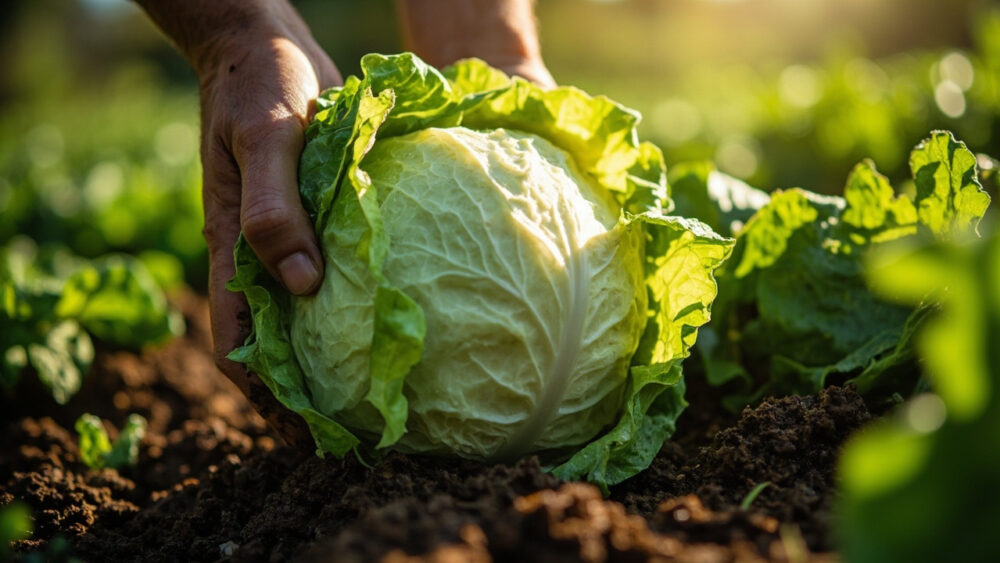
The best way to store iceberg lettuce is whole and unwashed, wrapped loosely in a paper towel or dry cloth, sealed inside a plastic bag with the air pushed out, and kept in your fridge’s crisper drawer. Done right, a head stays crisp and sweet for two to three weeks, sometimes longer. Do it wrong and you get a slimy, brown mess in five days, wondering what happened.
Most people ruin iceberg lettuce with one habit they think is helpful: washing it before storage. That single move is behind more mushy, rotted heads than anything else on this list. There’s also a sign of spoilage almost everyone misreads as “still fine,” and a wrapping mistake that traps moisture right where it does the most damage.
Stick around and you’ll get all of it, plus the honest answer on whether iceberg freezes well at all. Scroll to the bottom for the save-able Iceberg Lettuce at a Glance card so you don’t have to remember any of this next time you’re standing in the kitchen with a head in your hand.
The Method That Actually Works
Keep the head whole until you’re ready to eat from it. A whole head has far less cut surface area exposed to air, which is what triggers browning and rot.
Wrap it in a dry paper towel or a clean kitchen towel. This pulls excess moisture away from the leaves without drying the head out.
Slide the wrapped head into a plastic bag, press out as much air as you can, and seal it. Store it in the crisper drawer set to high humidity, away from fruit like apples and pears, which give off ethylene gas that speeds up browning and rot in lettuce.
That’s the whole method, but how long it actually buys you depends on a few things worth knowing.
How Long Iceberg Actually Keeps
A whole, unwashed head wrapped and refrigerated this way holds well for two to three weeks. Some heads, especially dense, tightly wrapped ones from cooler growing conditions, will go a bit longer.
Once you cut into it, that window shrinks fast. Cut iceberg, even stored properly, is best used within five to seven days.
On the counter, forget it. Iceberg is not a tomato. Room temperature turns it limp within a day or two and invites bacterial growth well before it looks obviously spoiled.
Freezing is a different story, and the honest answer disappoints most people who ask.
Does Iceberg Lettuce Freeze Well?
No, and there’s no trick around it. Iceberg is almost entirely water held in a loose cell structure, and freezing ruptures those cells.
Thaw it and you get a wilted, watery, translucent version of lettuce that’s good for nothing but the compost bin. No amount of blanching or clever wrapping saves it, unlike sturdier greens such as spinach or kale.
If you’re staring at a head you can’t use in time, your only real move is eating it sooner, not freezing it for later.
Prep: The Step Everyone Gets Backwards
If you assumed washing lettuce before you store it is the responsible move, that instinct is exactly what shortens its life. Water left on the leaves is what invites the brown, slimy spots that show up within days.
Wash iceberg only right before you plan to eat it, not before it goes into the fridge. Dry storage, wet use, that’s the order.
If you do want to prep ahead, you can core the head. Whack the stem end firmly on the counter, twist and pull the core out, then run cold water briefly into that cavity to loosen dirt, and drain the head upside down until fully dry before wrapping.
Get the head bone dry before it goes back in its wrap, or you’ve just recreated the exact problem you were trying to avoid.
The Signs It Has Turned
A little browning at the cut edges is normal and not a reason to toss the head. Trim it off and the rest is usually fine to eat.
The sign people misread is a soft, watery, translucent patch on an outer leaf. It looks minor, almost like bruising, so most people peel that one leaf off and keep going.
That watery translucence is early rot, not bruising, and it spreads from the inside of the leaf structure even when the surface still looks mostly green. If you see it on more than one or two leaves, or notice a sour, musty smell when you unwrap the head, stop and toss it.
A genuinely bad head also feels slimy to the touch on the outer leaves rather than just soft, and the core may show dark, wet discoloration instead of clean white or pale green.
Trust your nose here more than your eyes, since smell turns before appearance does in a lot of cases.
The Mistakes That Cost You the Whole Head
Beyond washing too early, a few other habits quietly wreck an otherwise good head.
- Storing it near fruit: apples, bananas, and pears release ethylene gas that accelerates browning in lettuce, even in a sealed crisper drawer.
- Skipping the wrap entirely: a bare head in the crisper drawer dries out on the outside while trapping condensation against itself, the worst of both problems at once.
- Sealing in a wet or damp towel: the point of the towel is to absorb moisture, and a towel that’s already damp does the opposite.
- Cutting it days ahead “to save time”: cut surfaces brown and weep moisture fast, cutting your storage window from weeks down to days.
- Leaving it in a grocery bag on the counter: even a short delay at room temperature before refrigeration speeds up the whole decline.
Fix these five habits and most of what people call “bad luck with lettuce” disappears.
Iceberg Lettuce at a Glance
- Best storage method: whole, unwashed, wrapped in a dry paper towel, sealed in a plastic bag with air pressed out, kept in the crisper drawer.
- Fridge life, whole head: two to three weeks, sometimes longer if it stays dry and well wrapped.
- Fridge life, cut head: five to seven days, best used sooner rather than later.
- Counter storage: not recommended, wilts within a day or two at room temperature.
- Freezing: does not work, thawed texture turns watery and limp with no fix.
- When to wash: right before eating, never before storing.
- Signs it’s turned: watery translucent patches on multiple leaves, slimy outer texture, sour or musty smell, dark wet discoloration at the core.
Keep it whole, keep it dry, and wash it only when you’re about to eat it.
Get those three things right and iceberg is one of the easiest vegetables in your fridge to keep crisp for weeks.