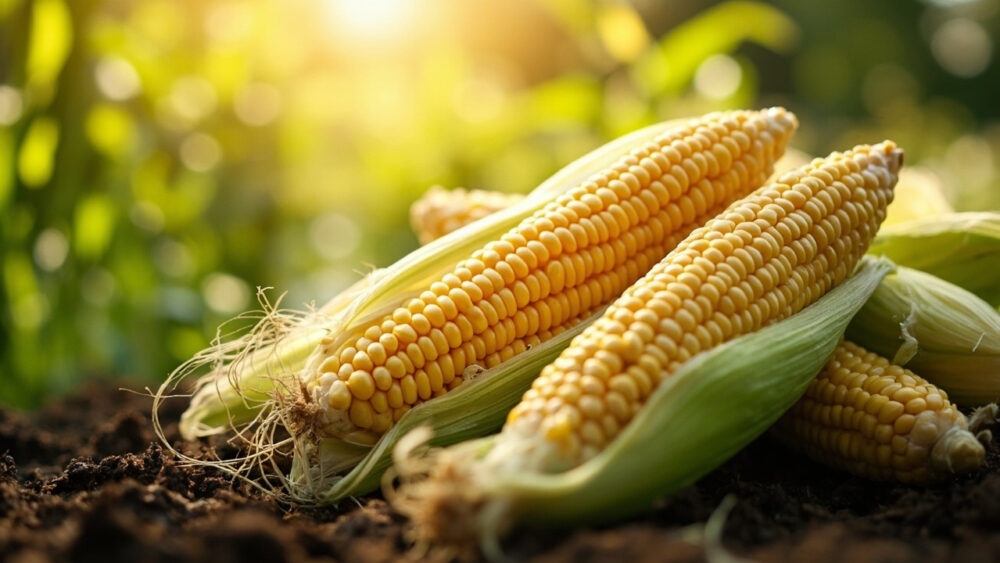
Yes, you can freeze corn, and if you do it right it holds its sweetness and snap for 10 to 12 months in the freezer. The catch is that almost everyone skips the one step that actually locks in that flavor, and pays for it in February when the corn tastes like cardboard. The other catch: whether you freeze it on the cob, cut off, or as creamed corn changes both the texture you get back and how you should prep it going in.
There is also a timing trap that has nothing to do with your freezer and everything to do with your garden or your farm stand run. Corn starts losing sugar the moment it is picked, so the gap between harvest and freezer matters more than people think.
Stick with me and I will walk you through the real method, how long each form actually lasts, the exact signs corn has turned before you even get it into a bag, and the mistakes that ruin a batch. The save-able Corn at a Glance card is at the bottom, the whole thing distilled down to what you actually need to remember standing in your kitchen.
The Best Way to Freeze Corn, Step by Step
Blanching first is what separates corn that tastes fresh in January from corn that tastes tired. Skip it and enzymes in the kernel keep working in the freezer, breaking down flavor, color, and texture over months.
Here is the method that holds up:
- Husk the ears and remove all the silk, then rinse.
- Bring a large pot of water to a full boil.
- Drop in ears for 4 to 5 minutes for small to medium ears, 7 to 8 minutes for large ones. Small ears (kernels not full grown) need less time, and jumbo ears need more.
- Pull the corn straight into an ice bath for the same amount of time you boiled it. This stops the cooking dead.
- Drain well and pat dry. Wet kernels turn into an ice block in the bag.
- Cut kernels off the cob with a sharp knife, or freeze whole cobs if you want corn on the cob later.
- Pack into freezer bags, press out the air, and lay flat until solid before stacking.
Whole cobs blanch the same way but need the full 7 to 11 minutes since the heat has to reach the center.
That blanching step is also where most people quietly cut a corner, and it costs them the whole batch.
How Long Corn Actually Keeps, Form by Form
Fresh corn on the counter is already on the clock. It holds decent quality for only 1 to 2 days at room temperature before sugars start converting to starch and the sweetness fades fast.
In the fridge, husked ears in a loose bag keep for 4 to 5 days, though you lose some sweetness every day you wait. Cut raw kernels in the fridge are good for about 3 days before they turn.
Frozen and blanched properly, cut kernels or whole cobs hold good quality for 10 to 12 months in a standard freezer. Creamed corn freezes well too, generally 8 to 10 months, since the added liquid and fat shorten its window slightly.
Unblanched corn frozen raw will still be freezer-safe from a food-safety standpoint, but expect noticeably worse texture and flavor after 2 to 3 months, sometimes sooner.
So the real question is not just can you freeze it, but how fast you move once it is picked.
Prep That Makes or Breaks the Batch
If you assumed washing is the important prep step, that is the obvious guess and it is not the one that matters most here. Rinsing off silk and field dirt is basic and necessary, but it is not what determines quality months from now.
Blanching is the real fork in the road, and timing between harvest and freezer is the second.
Corn loses sweetness fast after picking, sometimes noticeably within just a few hours at warm temperatures, as sugars convert to starch. That means the corn sitting in a grocery bag on your counter all afternoon is already worse than it was at 9 a.m.
The fix is simple: pick or buy corn as close to freezing day as you can, and refrigerate it immediately if there is any delay.
Do not skip drying the kernels after the ice bath. Excess water forms ice crystals that turn cut corn into a clumped, soggy mass once thawed.
Get the prep right and the freezer does the easy part, but you still need to know when corn has gone bad before it ever reaches that stage.
The Signs Corn Has Turned
Fresh corn should smell sweet and grassy, feel firm through the husk, and have kernels that are plump and tightly packed with no gaps. Any deviation from that is your warning sign.
- Sour or fermented smell: the most reliable sign corn is past saving, raw or cooked.
- Slimy or sticky kernels: means bacterial growth has started, discard it.
- Dry, shriveled, or discolored kernels: the corn is old and has lost most of its sugar, still technically edible but not worth freezing.
- Mold, black or gray fuzz, especially near the tip of the ear: discard the whole ear, do not just cut around it.
- Freezer-burned corn: looks dry, grayish white, or has ice crystals inside the bag; it is safe to eat but the texture and flavor are noticeably worse.
If you are ever unsure whether corn that has been sitting out too long is still safe to eat, when in doubt, throw it out.
Knowing what bad corn looks like is only half the battle, the other half is not causing that outcome yourself.
The Mistakes That Ruin a Batch
The single most common mistake is skipping or shortchanging the blanch. People assume freezing itself stops enzyme activity, but it only slows it, and unblanched corn turns mushy and bland within a couple of months even though it looked fine going in.
Other batch killers:
- Overcrowding the ice bath: if the water warms up too fast, the corn keeps cooking and turns mushy before freezing.
- Packing corn while still warm: raises the temperature inside the freezer and causes larger ice crystals that wreck texture.
- Leaving air in the bag: leads to freezer burn within a couple months instead of holding a full year.
- Freezing corn that already sat too long after harvest: you cannot get sweetness back once it has converted to starch.
- Refreezing thawed corn: degrades texture badly and is not worth doing except in a genuine food-safety emergency.
Every one of these is avoidable, which is exactly why a bad batch is so frustrating, since it usually comes down to rushing one step.
Corn at a Glance
- Counter storage: 1 to 2 days at room temperature before quality drops fast.
- Fridge storage: whole ears last 4 to 5 days, cut raw kernels last about 3 days.
- Best freezer method: husk, blanch 4 to 5 minutes for medium ears or 7 to 8 for large ears, ice bath the same length of time, dry well, cut kernels off, pack flat with air pressed out.
- Frozen shelf life: blanched kernels or cobs hold good quality 10 to 12 months, creamed corn 8 to 10 months, unblanched corn 2 to 3 months before texture suffers.
- Signs it has turned: sour smell, slimy or sticky kernels, mold near the tip, shriveled or discolored kernels.
- Biggest mistake: skipping the blanch or letting corn sit too long after harvest before freezing it.
- Golden rule: freeze it fast, blanch it properly, dry it well before bagging.
Corn rewards speed and punishes shortcuts more than almost any other vegetable in the freezer.
Get it cold, blanched, and bagged quickly, and it will taste like summer every time you open that freezer.