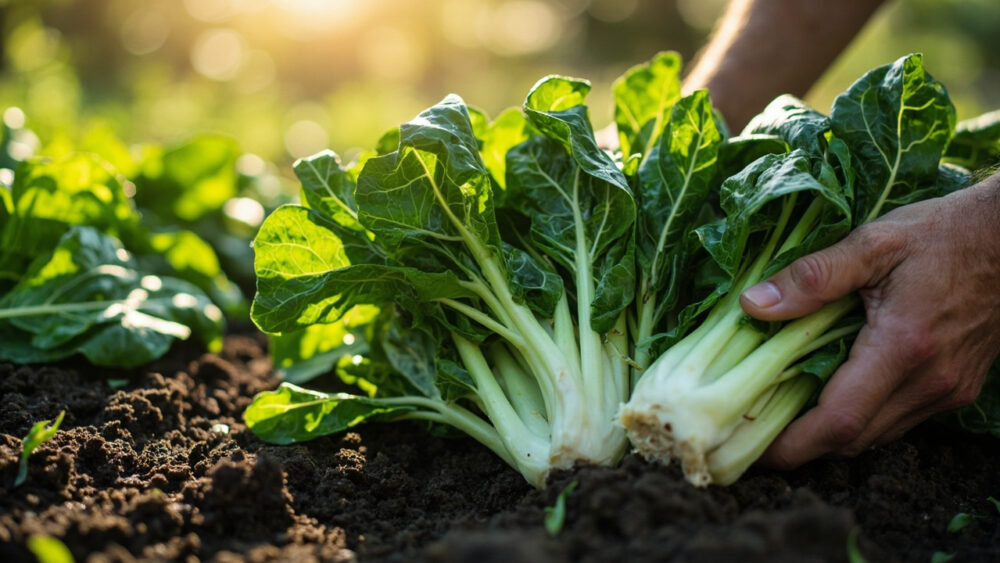
The best way to store bok choy is unwashed, wrapped loosely in a paper towel, and sealed inside a perforated plastic bag in your crisper drawer, where it holds up crisp for 5 to 7 days and sometimes up to 10 if the heads were fresh when you bought them. Baby bok choy is more delicate and tends to fade closer to the 5-day mark. Skip any of those specifics and you’ll open the drawer to yellow, slimy leaves well before the week is out.
Most people ruin a batch in one of two ways, and both feel like the “careful” thing to do. One is washing the heads before storage, which seems responsible and actually speeds up rot. The other is sealing them in an airtight bag, which traps moisture and cooks the leaves in their own humidity.
There’s also the freezer question everyone eventually asks, and the honest answer surprises people who assume bok choy freezes like spinach. Stick with me and I’ll walk through exactly why, plus how long it really lasts each way, the signs it’s turned, and the mistakes that quietly end a batch early. The full Bok Choy at a Glance card is at the bottom, saved for your phone before you’re standing in the kitchen wondering.
The Right Way to Store Bok Choy in the Fridge
Do not wash it first. That’s the instinct, and it’s the fastest way to a slimy head. Water sitting in the crevices where the leaves meet the stalk invites rot within a day or two.
Instead, trim any damaged outer leaves, leave the head whole, and wrap it loosely in a dry paper towel. The towel pulls ambient moisture away from the leaves instead of trapping it against them.
Slide the wrapped head into a plastic bag with a few holes poked in it, or use a produce bag that already breathes. Set it in the crisper drawer, which runs slightly more humid and a few degrees colder than the rest of the fridge.
That combination, dry wrap plus breathable bag plus crisper drawer, is what gets you the full week instead of three days.
Now here’s what changes if you’re storing it cut instead of whole.
Cut, Baby, or Whole: How Long Each Way Actually Keeps
Whole heads of standard bok choy hold the longest, typically 5 to 7 days in the fridge and occasionally 10 if they were rock-solid fresh at purchase. Baby bok choy has thinner leaves and less structure, so plan on 4 to 6 days.
Cut or separated leaves lose their edge fast. Once you’ve sliced through the stalk, oxidation and moisture loss speed up, and you’re realistically looking at 2 to 3 days even stored well.
On the counter, bok choy is living on borrowed time. It’s not a tomato or a winter squash that improves sitting out. Room temperature wilts it within a day, maybe two in a genuinely cool kitchen, so the counter is only a holding spot until you get it into the fridge.
Freezing works, but only with prep, and skipping that prep is the mistake that ruins most freezer attempts. Raw bok choy tossed straight into a freezer bag turns to mush and loses most of its texture within weeks. Blanched first, it holds well for 8 to 10 months.
That blanching step is where most people go wrong, so let’s get it right.
The Prep Step That Makes or Breaks a Freezer Batch
If you assumed you could skip blanching because bok choy seems sturdy compared to spinach, that assumption is exactly what turns a bag of frozen bok choy into gray mush by month two. Blanching stops the enzymes that keep breaking the vegetable down even after it’s frozen.
Here’s the process:
- Separate the stalks from the leafy greens, since they cook at different speeds.
- Boil the stalks for about 1 to 2 minutes, and the leafy portions for just 30 to 45 seconds.
- Plunge everything immediately into ice water to stop the cooking.
- Drain thoroughly and pat dry, then spread on a tray to freeze before bagging.
That last step, freezing flat on a tray before bagging, keeps the pieces from fusing into one frozen block. Skip it and you’ll be hacking at a brick with a butter knife in February.
Fridge storage never gets blanched. Blanching is strictly a freezer prep step; do it to fridge bok choy and you’ve just started it cooking down early, which shortens its life instead of extending it.
So how do you know when a head has crossed from “still fine” to “toss it”?
The Signs Bok Choy Has Actually Turned
A little softness at the very tip of the leaves is normal by day 5 or 6 and doesn’t mean much. What matters is what’s happening at the base and in the smell.
Watch for these:
- Yellowing that spreads across whole leaves rather than just the edges.
- A slick, slippery film on the stalks, which is bacterial, not just condensation.
- A sour or sulfurous smell when you unwrap it, distinct from bok choy’s normal mild, grassy scent.
- Dark, wet spots on the stalk itself, as opposed to the papery brown spots that are just minor cosmetic damage.
Minor yellowing on one or two outer leaves isn’t a reason to toss the whole head. Peel those off, check the stalk underneath for sliminess, and if it’s firm and pale, the rest is still good to cook.
But a slimy stalk means the whole head is compromised, even if the leaves still look decent.
Most of that decline traces back to a handful of avoidable habits, which is where the real damage happens before you even notice.
The Mistakes That Quietly End a Batch Early
Washing before storage tops the list. It feels clean and responsible, but the trapped water is what accelerates rot in the tight space where leaves meet stalk. Wash right before you cook, never before you store.
Sealing it airtight is the second big one. A fully closed bag with no airflow traps the vegetable’s own moisture against itself, and that humidity buildup is what causes the slimy stalk problem more often than actual age does.
Storing it near ethylene-producing fruit like apples, bananas, or pears speeds up yellowing. Bok choy is sensitive to ethylene gas, so keep it in a separate drawer or at least away from the fruit bowl.
Crowding it in the crisper against other vegetables can bruise the leaves, and bruised spots turn slimy first, spreading rot to the rest of the head faster than clean storage would.
Every one of those mistakes is easy to fix once you know which habit is actually causing the problem.
Bok Choy at a Glance
- Best fridge method: unwashed, wrapped loosely in a dry paper towel, sealed in a perforated bag, stored in the crisper drawer.
- Fridge life, whole head: 5 to 7 days for standard bok choy, occasionally up to 10 days if very fresh, 4 to 6 days for baby bok choy.
- Fridge life, cut or separated leaves: 2 to 3 days.
- Counter life: 1 to 2 days at most, treat it as temporary holding only.
- Freezer life: 8 to 10 months, but only if blanched first, stalks 1 to 2 minutes and leaves 30 to 45 seconds, then cooled in ice water and frozen flat before bagging.
- Never wash before storing: wash right before cooking instead, moisture on the stalk is the fastest route to slime.
- Signs it’s turned: slippery film on the stalk, sour or sulfurous smell, yellowing that spreads across whole leaves, dark wet spots on the stalk itself.
Keep it dry, keep it breathing, and keep it away from your fruit bowl. That’s most of the battle, and it’s the difference between tossing bok choy on day three and still cooking with it a week later.