The fastest, most reliable way to propagate an umbrella plant (Schefflera) is a stem tip cutting rooted in water or moist perlite, taken just below a leaf node, kept warm and humid until roots show up in three to six weeks. Water rooting lets you watch the roots form, which matters because umbrella plant is one of the slower, more temperamental houseplants to root compared to something like a pothos. Get the cutting right and the rest is patience.
Most attempts stall for one of two reasons, and both are avoidable once you know what to look for. There is also a step nearly everyone skips that cuts your rooting time almost in half, and an honest answer about air layering that most articles will not give you straight.
Stick with me through the method and the timeline, because the save-able Umbrella Plant at a Glance card at the bottom has the exact numbers you will want pinned to your phone before you make the first cut.
Why Stem Tip Cuttings Beat Every Other Method
You can technically propagate Schefflera by seed, air layering, or division of a multi-stemmed plant, but tip cuttings win for a home grower almost every time. Seed is slow and unreliable indoors. Division only works if your plant already has multiple independent stems coming from the soil line, which most nursery Schefflera do not.
Air layering does work, and it is genuinely the better choice for a tall, leggy plant you want to shorten without losing the top growth. But it takes longer than a simple cutting, requires wrapping and checking a wounded stem for weeks, and most people quit on it halfway through. If your plant is bushy and has healthy new growth at the tips, skip air layering and take a cutting instead.
The next question is exactly where to cut, and that is where most attempts go wrong before they even start.
Step by Step: Taking the Cutting and Getting It to Root
Choose and Take the Cutting
Pick a healthy stem tip with at least two or three leaf sets and no flowers or damage. Cut 4 to 6 inches down from the tip, angling the cut just below a leaf node, since that node is where roots actually emerge.
Use clean, sharp pruners. A crushed or ragged cut invites rot before roots ever get a chance to form.
Strip and Prep
Remove the lower leaves so only the top two or three remain. If the remaining leaves are large, cut them in half to reduce moisture loss while the cutting has no roots to support them.
This is the step almost everyone skips, and it is the single biggest lever you have over rooting speed.
Choose Your Rooting Medium
Water rooting is the easiest way to monitor progress. Submerge the bottom node or two in a clean jar, keep it out of direct sun, and change the water every 4 to 5 days so it does not go stagnant and rot the stem.
Perlite or a perlite-and-peat mix tends to produce sturdier roots that transplant with less shock. Keep it evenly moist, never soggy, and cover the cutting loosely with a clear bag or propagator lid to hold humidity near 70 to 80 percent.
Either medium works. What happens next depends far more on warmth and light than on which one you picked.
The Timeline: What Actually Happens Week by Week
Here is the part nobody tells you straight: umbrella plant cuttings often show zero visible change for the first two weeks. That is normal, not failure.
Weeks 1 to 2: the cutting looks static. Internally, a callus is forming over the cut end. Keep the medium warm, ideally 70 to 80°F, and out of direct sun.
Weeks 3 to 4: the first pale root nubs appear at the node, easiest to spot in water. In perlite, you will feel very light resistance when you gently tug the stem.
Weeks 5 to 6: roots reach an inch or more and start branching. New leaf growth at the tip is your clearest sign the cutting has truly taken.
If you hit week 6 with nothing, do not keep waiting indefinitely, because that usually means the cutting has quietly rotted below the surface.
When and How to Pot Up
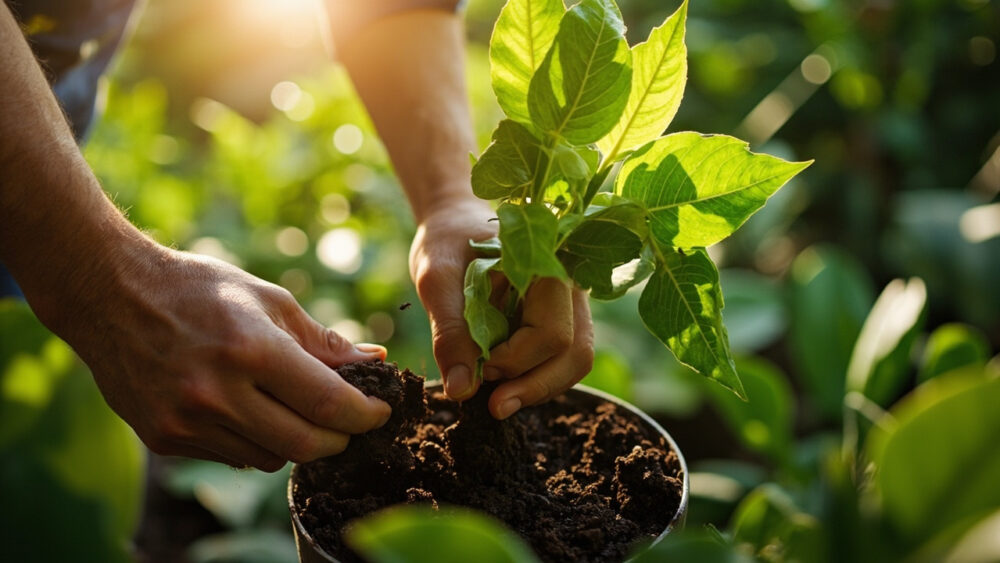
Once roots are 1 to 2 inches long with at least two or three visible branches, it is time to move to soil. If you wait too long in water, the water-formed roots can struggle to adjust to soil moisture levels, so do not let them grow to 4 or 5 inches before transplanting.
Use a well-draining houseplant mix, a pot only 1 to 2 inches wider than the root mass, and plant at the same depth the roots were sitting. Water thoroughly right after potting, then hold off on fertilizer for at least four weeks while roots adjust.
Keep the newly potted cutting in bright, indirect light for the first two to three weeks, not full sun, since young roots cannot yet support the water demand of strong light.
Getting it into soil at the right moment matters, but it will not save a cutting that failed for the reasons below.
Why Most Attempts Fail, and the Mistake That Wastes a Whole Season
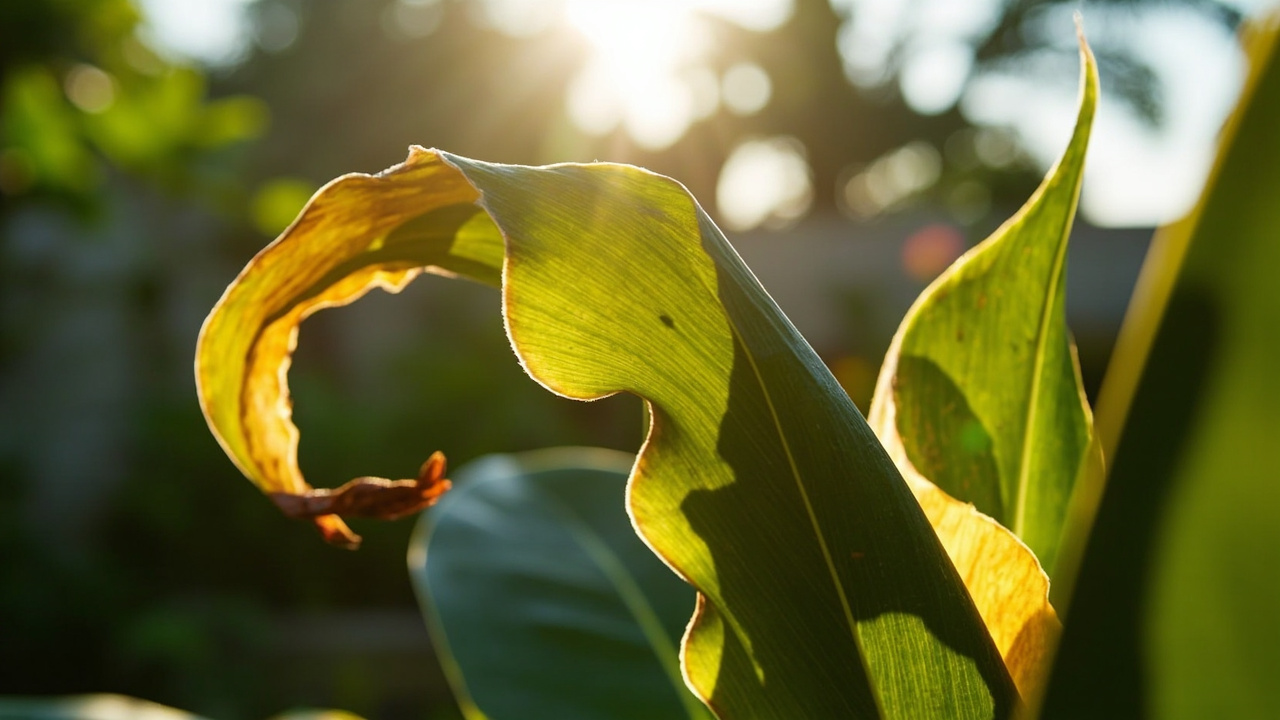
If you assumed the biggest killer is under-watering the cutting, that guess is backwards. The number one cause of failure is rot from a medium kept too wet or a jar of water never changed, not dehydration. A wilted cutting usually means too much moisture around a stem that cannot yet drink it in through roots.
The second common mistake is low light combined with cold. Schefflera cuttings root at room temperature and above; anything under 65°F slows callus formation to a crawl, and low light gives the cutting no reason to push new growth once roots do form.
Third, people take cuttings from old, woody lower stems instead of active tip growth. Woody sections root far less reliably than a soft, actively growing tip.
Umbrella plant sap can irritate skin, and the plant is considered toxic if chewed or swallowed by pets or people, so wear gloves when you cut and keep curious cats and kids away from the trimmings. If a pet ingests any part of the plant, contact a veterinarian rather than waiting to see what happens.
Avoid those three mistakes and a warm, bright, gently moist setup does the rest of the work for you.
Umbrella Plant at a Glance
- Best method: stem tip cutting, 4 to 6 inches long, cut just below a leaf node.
- Rooting medium: clean water changed every 4 to 5 days, or moist perlite kept humid under a clear cover.
- Ideal conditions: 70 to 80°F, bright indirect light, no direct sun on the cutting.
- Timeline: callus forms weeks 1 to 2, first roots appear weeks 3 to 4, ready to pot by weeks 5 to 6.
- When to pot up: once roots reach 1 to 2 inches with a few branches, not longer.
- Biggest risk: rot from overly wet medium or stagnant water, not dehydration.
- Toxicity note: sap can irritate skin and the plant is toxic if ingested, so wear gloves and contact a vet if a pet eats any part of it.
Take the cutting clean, keep it warm and just barely moist, and let the roots take their time. Rush the pot-up or drown the stem and you start the whole six weeks over.