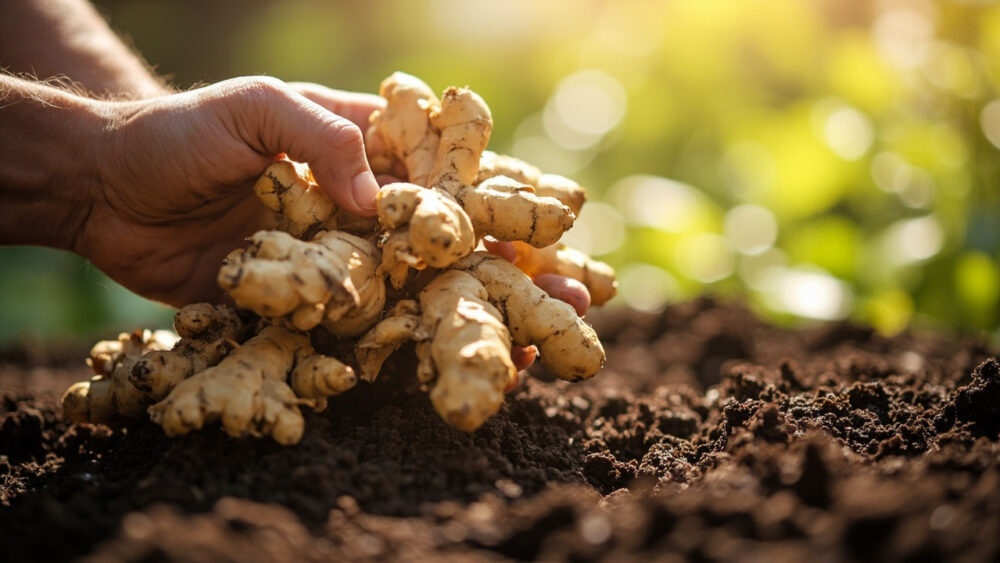
The best way to preserve ginger depends on how fast you’ll use it: whole unpeeled hands last 2-3 weeks on the counter or up to a month in the fridge, but for real long-term storage you either freeze it whole (a year or more) or slice it into a vinegar or alcohol solution for a shelf-stable jar that keeps for months. Fresh ginger is a rhizome, not a root, and it behaves more like a potato than a leaf of basil. That’s the whole secret, and most people who ruin a batch never learned it.
Here’s what’s coming. There’s one storage mistake that quietly rots ginger from the inside before you ever see mold on the outside, and it’s not the mistake people expect. There’s a sign of spoilage that half of home cooks misread as “still fine, just old.” And there’s the honest answer to the question you’re about to ask next: no, you don’t need to peel it first, and peeling early is actually one of the fastest ways to shorten its life.
Stick with me through the methods below and I’ll give you the full Ginger at a Glance card at the bottom, the kind of thing worth screenshotting before you touch a single knife.
The Freezer Method, Step by Step
Freezing is the method most home cooks should default to, because it’s forgiving and it holds flavor better than almost anything else. Don’t peel it first. Buy or harvest ginger with firm, taut skin, wipe off any visible dirt with a dry towel, and freeze the whole hand as is, either loose in a freezer bag or wrapped tight in plastic.
When you need some, pull it out and grate straight from frozen with a fine grater. The skin comes off in the grater and you never have to thaw the whole piece.
For pre-portioned ginger, peel and mince or slice it first, then freeze flat in a bag or in an ice cube tray with a splash of water so you can pop out tablespoon-sized pucks as needed.
Frozen ginger holds good flavor for 10 to 12 months, though texture softens a bit after the first few months, which matters for stir-fries but not for tea or marinades.
That’s the fast method, but there’s a slower one that changes ginger into something completely different.
Curing and Pickling: The Method Everyone Underrates
If you actually grew the ginger yourself, freshly dug rhizomes have thin, papery skin and a high moisture content that makes them rot fast if you don’t cure them first. Curing means letting the dug ginger sit in a warm, humid spot (around 75 to 85°F) for 5 to 7 days before storing, which toughens the skin and heals any nicks from harvesting. Skip this step with homegrown ginger and you’ll watch it go soft within a week or two.
Pickled ginger, the kind you see next to sushi, is made by slicing young ginger paper-thin, blanching it briefly in boiling water for 30 to 60 seconds, then submerging it in a mix of rice vinegar, sugar, and salt. Packed into a clean jar and refrigerated, it keeps for 2 to 3 months and actually improves in flavor after the first week.
You can do the same with alcohol instead of vinegar, covering peeled sliced ginger in vodka or a neutral spirit, which preserves it indefinitely in the fridge and doubles as a ginger-infused liquor.
Cured or pickled ginger plays a different game than fresh, and knowing which storage length applies to which method is where most confusion starts.
How Long Each Method Actually Keeps
Here’s the honest breakdownbecause “ginger keeps a long time” isn’t specific enough to plan a kitchen around.
- Whole, unpeeled, on the counter: 2 to 3 weeks in a cool, dry spot away from direct sun.
- Whole, unpeeled, in the fridge crisper (loosely wrapped in a paper towel, then a bag): 3 to 4 weeks.
- Peeled and submerged in a jar of dry sherry or vodka, refrigerated: 2 to 3 months.
- Sliced and pickled in vinegar brine, refrigerated: 2 to 3 months.
- Whole or minced, frozen: 10 to 12 months.
- Dried and ground into powder, stored airtight in a cool cabinet: 6 months to a year, though pungency fades gradually the whole time.
Notice freezing wins on length, but pickling wins on convenience if you use small amounts often.
None of these numbers matter if you skip the prep step that determines whether the ginger survives that long in the first place.
The Prep Step That Makes or Breaks Every Method
If you assumed washing ginger thoroughly before storing it is just good hygiene, that assumption is exactly what causes early rot. Ginger skin is a barrier. Water that gets trapped under it, especially around the little knuckles and cut ends, creates the moist pocket where mold starts. Wipe dirt off dry, or rinse briefly and dry it completely with a towel before it goes anywhere near the fridge or freezer.
Only wash right before you use it, not before you store it.
The same logic applies to peeling. Peeled ginger has no protective skin left, so it needs to go straight into liquid (vinegar, alcohol, or a tight freezer wrap) within the hour, not sit exposed on a cutting board or in a loosely closed container.
That single habit, wash-then-dry-then-store instead of wash-and-store, is the difference between ginger that lasts a month and ginger that’s slimy in four days.
The Sign Everyone Misreads as “Still Fine”
Soft, wrinkled skin gets blamed as the spoilage sign, but it’s actually just dehydration. Wrinkly ginger is still usable, just less juicy; trim and use it in cooking where texture doesn’t matter as much. That’s the guess most people make, and it’s the wrong one to act on.
The real signs of spoiled ginger are different and worth knowing cold:
- Blue-gray or greenish mold, often starting at a cut end or a knuckle joint.
- A slimy, wet film on the skin rather than dry wrinkling.
- A sour or musty smell replacing the usual sharp, peppery scent.
- Dark, mushy spots that give way under light pressure, unlike the firm resistance of good ginger.
Any of those means the piece is done. You can sometimes cut around a single small soft spot on an otherwise firm piece, but if the interior looks translucent or gray rather than pale yellow, throw the whole piece out.
Knowing the real signs is only half the job. Knowing which habits cause them is what actually saves your next batch.
The Mistakes That Ruin a Batch
Most ruined ginger traces back to one of these five habitsand they’re all avoidable once you know to watch for them.
- Storing it wet: any residual moisture on the skin accelerates mold, so always dry it fully before bagging.
- Peeling too early: peeled ginger left exposed in the fridge without liquid dries out or molds within days.
- Sealing it airtight while whole and unpeeled in the fridge: a fully sealed bag traps humidity against the skin; a loosely folded paper towel inside the bag fixes this.
- Skipping the cure on homegrown rhizomes: freshly dug ginger has thin skin and rots fast without that 5 to 7 day curing window.
- Reusing pickling brine: old brine loses acidity over time and stops protecting against bacterial growth, so make a fresh batch each time you refill the jar.
Fix those five and almost any storage method you choose will actually hit its full stated shelf life.
Ginger at a Glance
- Counter storage: whole, unpeeled, cool and dry, out of direct sun, good for 2 to 3 weeks.
- Fridge storage: whole, unpeeled, wrapped loosely in a dry paper towel inside a bag, good for 3 to 4 weeks.
- Freezer storage: whole or minced, unpeeled or peeled, tightly wrapped, good for 10 to 12 months.
- Pickled or spirit-preserved: peeled, sliced, submerged in vinegar brine or alcohol, refrigerated, good for 2 to 3 months.
- Homegrown rhizomes: cure 5 to 7 days at 75 to 85°F before any long-term storage.
- Prep rule: dry completely before storing, wash only right before use.
- Spoilage signs: mold, slimy skin, sour smell, mushy dark spots. Wrinkling alone just means dehydration, not rot.
Dry it, don’t seal it wet, and match the method to how soon you’ll actually use it.
Get that right and a single hand of ginger will outlast almost anything else in your produce drawer.