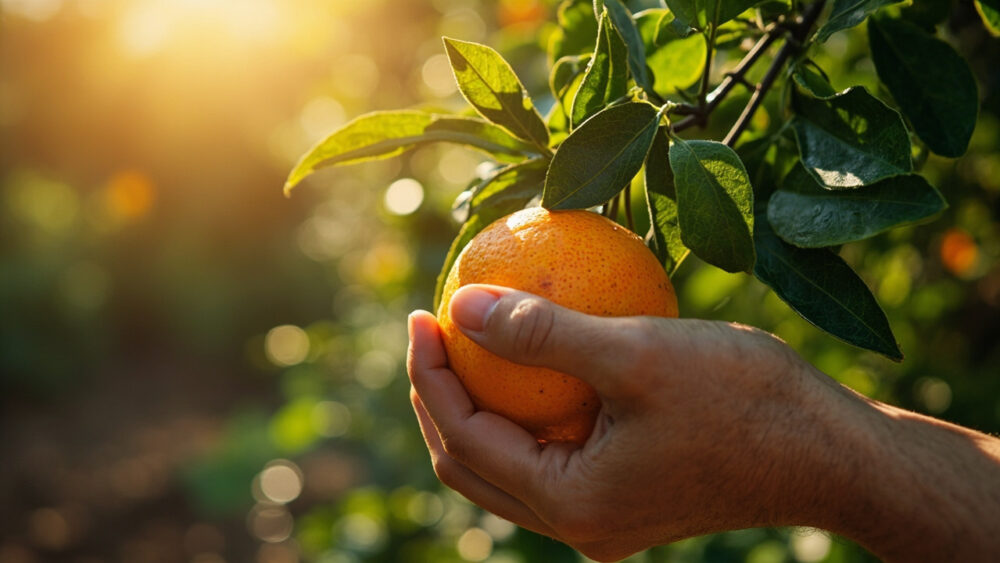
The short answer on how to grow oranges: plant a container-grown tree in spring once nighttime temperatures stay above 40°F, give it full sun and fast-draining soil, water deeply but infrequently, feed it through the growing season, and expect your first real harvest in two to four years with fruit ripening over several weeks in fall through winter depending on the variety. That timeline surprises people who expect oranges by summer. Citrus runs on its own clock, and the trees that fail usually fail from soil and water mistakes, not cold.
Here is what almost nobody gets right the first time: the planting depth. Bury the trunk even half an inch too deep and you can lose the tree slowly over two years, and it will look like a dozen other problems while it happens. There is also a mistake with watering that mimics drought stress so convincingly that people respond by making it worse.
Stick with this guide and you will know exactly when to plant, how to prepare a spot that will not rot the roots, and what the tree is telling you when the leaves start doing something strange. Save-able specifics, including bloom and harvest timing, are waiting in the Oranges at a Glance card at the bottom.
When to Plant an Orange Tree
Plant in spring, once the danger of frost has passed and nighttime temperatures are reliably staying above 40°F. In much of the citrus belt that is anywhere from March to May. In marginal areas, waiting until late spring is safer than rushing.
Orange trees are only reliably grown outdoors year-round in USDA zones 9 through 11. If you garden in zone 8 or colder, plan on growing in a large container you can move indoors or into a garage for winter, since a hard freeze below about 28°F for more than a few hours can kill an unprotected young tree.
Soil temperature matters more than the calendar date. Roots stall out below 55°F, so cold, wet spring soil does the tree no favors even if the air feels warm enough.
Get the timing right and the next decision, where you actually put the tree, decides most of what happens after.
Choosing the Spot and Prepping the Soil
Oranges want full sun, six to eight hours minimum, and shelter from harsh wind. A south-facing spot near a wall that holds heat is close to ideal in borderline climates.
Drainage is the part that decides whether this tree lives. Citrus roots rot fast in soggy soil. If water still stands in your planting hole ten minutes after filling it with a hose, that spot will kill an orange tree regardless of everything else you do right.
Amend heavy clay with coarse sand and organic matter, or better yet, build a raised mound 8 to 12 inches high and plant into that. Citrus prefers slightly acidic soil, roughly pH 6.0 to 6.5, and does not tolerate salty or waterlogged ground.
If you are planting in a container instead, use a loose, fast-draining citrus or cactus-blend potting mix, never garden soil straight from the yard.
Once the site drains well and sits in full sun, you are ready for the part most people rush: getting the tree in the ground correctly.
Planting an Orange Tree Step by Step
Buy a grafted, container-grown tree from a reputable nursery rather than starting from seed. Seed-grown trees take far longer to fruit and often produce inferior fruit compared to the parent.
Steps for planting
- Dig the hole about twice as wide as the root ball and only as deep as the root ball itself.
- Check the graft union, the visible knob or bend low on the trunk, and make sure it stays 2 to 3 inches above the final soil line.
- Set the tree so the top of the root ball sits at or very slightly above ground level, never below.
- Backfill with native soil mixed with compost, firming gently to remove air pockets without compacting it hard.
- Water in thoroughly right away to settle the soil around the roots.
- Mulch 2 to 3 inches deep, keeping it pulled back 4 to 6 inches from the trunk itself.
Space trees 12 to 25 feet apart depending on the variety and eventual size, or give a container tree room to be the only thing in that pot for years.
That trunk depth is the mistake to watch for constantly, because a tree planted too deep can decline for a full season before you figure out why.
Watering and Feeding Through the Season
Here is the trap: if you assumed wilting or leaf curl always means the tree needs more water, that guess is what kills more citrus than actual drought does. Overwatered orange trees show the exact same droopy, dull leaves as underwatered ones, because the roots are suffocating and rotting rather than thirsting.
The real test is the soil itself. Push a finger 2 to 3 inches down. If it is still moist, wait. Water deeply when it has dried out at that depth, then let it dry again before the next watering.
Established in-ground trees usually need this every 7 to 14 days depending on heat and soil type. Container trees dry out faster and may need water twice a week in summer.
Feed with a citrus-specific fertilizer, which supplies extra nitrogen along with the micronutrients citrus is notorious for needing. Apply in early spring, again in late spring, and once more in late summer, following the product label rates rather than guessing.
Yellowing between the veins on older leaves usually signals a magnesium or iron deficiency, common in citrus, and is fixed with a citrus micronutrient feed rather than more water or more nitrogen.
Get the water and feeding rhythm right and most of the problems in the next section never get a foothold.
Problems That Actually Take Down Orange Trees
Root rot from poor drainage is the number one killer, and by the time you see wilting leaves and a decline in vigor, damage below ground is usually already significant. Prevention, meaning drainage sorted out before planting, is the only real fix.
Citrus leaf miner leaves silvery, squiggly trails inside the leaves. It is mostly cosmetic on established trees and rarely needs treatment beyond removing badly affected leaves.
Aphids and scale show up as sticky residue or sooty black mold on leaves. Both respond to horticultural oil or insecticidal soap applied according to the product label.
Cold damage shows as blackened, wilted leaves after a freeze. Young trees need frost cloth or a temporary move indoors when a hard freeze is forecast; established in-ground trees in true citrus zones tolerate brief light frost but not a hard, extended freeze.
Citrus greening, a serious bacterial disease spread by a small insect called the Asian citrus psyllid, causes blotchy yellow leaves and misshapen, bitter fruit, and there is no cure. If you suspect it, contact your local agricultural extension office rather than treating it yourself.
None of that trouble matters if the tree never actually sets fruit, so here is what bloom and ripening really look like.
Handle drainage and cold protection and you have already dodged the two most common ways this goes wrong.
When and How to Harvest Oranges
Orange trees typically bloom in spring with intensely fragrant white flowers, and fruit then takes seven to twelve months to ripen depending on the variety, meaning most oranges are ready from late fall into winter, sometimes stretching into early spring for late types.
Color is not the reliable signal most people assume it is. Oranges can turn fully orange well before they are sweet, especially in warm climates, and some varieties stay slightly green-tinged at the stem even when perfectly ripe.
Taste is the real test. Pick one and try it. If it is sweet and juicy, the rest on the tree are almost certainly ready too, since oranges do not continue ripening much after picking.
Cut or twist fruit off rather than pulling, which can tear the skin and shorten storage life. Ripe fruit will also hold on the tree for several weeks without spoiling, so there is no rush to pick it all at once.
Once you know that trick, the rest of growing this tree is really just patience and consistency, and the quick reference below is what to keep on your phone for that.
Oranges at a Glance
- When to plant: spring, once nighttime temperatures stay reliably above 40°F and soil has warmed past 55°F.
- Where they grow outdoors year-round: USDA zones 9 through 11, container growing elsewhere with winter protection.
- Sun and soil: full sun, six to eight hours minimum, fast-draining slightly acidic soil around pH 6.0 to 6.5.
- Spacing: 12 to 25 feet apart in ground depending on variety, or one tree per large container.
- Planting depth: root ball top level with or just above the soil, graft union 2 to 3 inches above ground.
- Watering: deeply when the top 2 to 3 inches of soil have dried out, roughly every 7 to 14 days in ground, more often in containers.
- Time to fruit and harvest: two to four years to first fruit, bloom in spring, harvest late fall through winter, taste to confirm ripeness rather than trusting color alone.
If you remember one thing, remember the trunk depth and the drainage check, since both happen on planting day and both are nearly impossible to fix later.
Everything else, water, feeding, patience, just needs consistency over the next few seasons.