Here is how to store grapes so they actually last: do not wash them, put them unwashed in a shallow container lined with paper towels, and set that container in the crisper drawer of your fridge. Left this way, grapes hold for two to three weeks, sometimes longer for firm-skinned varieties. Skip the fridge and they are done in two or three days on the counter.
That part is simple. What trips people up is everything around it: the mistake that turns a full bunch to mush by day four, the sign of spoilage everyone confuses with something harmless, and the honest answer to whether you should ever wash grapes ahead of time.
Stick around for the Grapes at a Glance card at the bottom, it is the save-to-your-phone version of everything here, but the sections in between explain the why, and the why is what keeps a bunch from turning on you halfway through the week.
The Best Way to Store Grapes, Step by Step
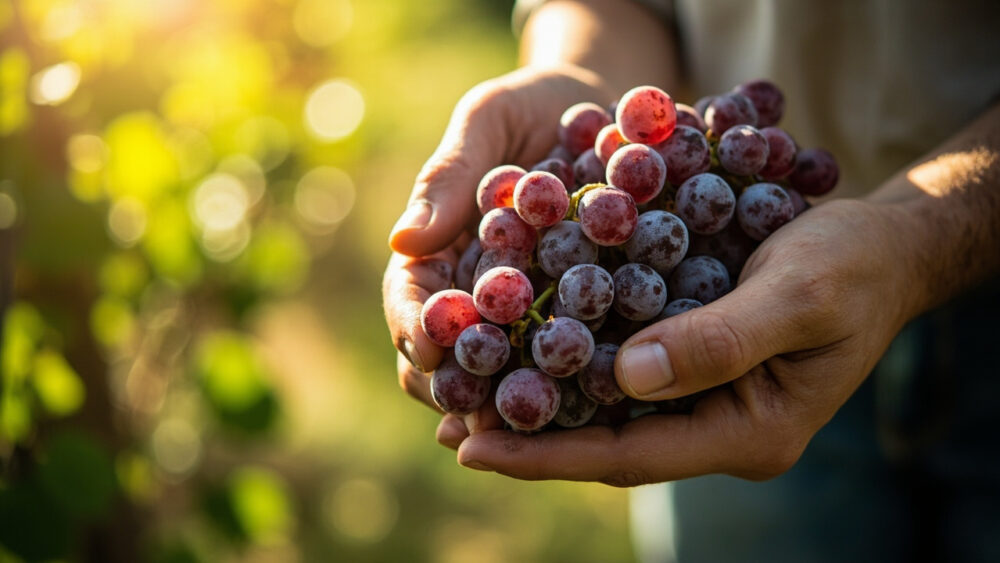
Do not wash the grapes before storing them. That bloom on the skin, the pale dusty coating, is a natural barrier that slows moisture loss and mold growth. Rinse it off now and you have removed your own protection days early.
Instead, sort through the bunch and pull off any grapes that are soft, split, or shriveled. One bad grape speeds up the rest.
Line a shallow bowl or container with a paper towel, spread the grapes in a loose layer, and cover loosely with another paper towel or a lid that is not airtight. Set it in the crisper drawer, ideally the one with higher humidity, at 30 to 35°F.
Skip a sealed produce bag with no airflow if you can, condensation builds up fast and that moisture is what invites rot.
Next question: how long does that actually buy you, and does it change if you freeze them instead.
How Long Grapes Actually Keep, Method by Method
On the counter, at room temperature, grapes are a two to three day fruit. They soften, the stems brown, and flavor drops off fast, especially in a warm kitchen.
In the fridge, unwashed and loosely covered, expect one to two weeks for a table grape like a Thompson seedless, and up to three weeks for firmer, thicker-skinned varieties like some red globes. That range depends heavily on how ripe they were the day you bought them.
Freezing is the underrated option nobody mentions when you ask how to store grapes. Wash them only right before freezing, dry thoroughly, and freeze in a single layer on a tray before bagging. Frozen grapes hold quality for 8 to 12 months and make a genuinely good frozen snack or wine substitute in a glass of water.
There is no real cured or dried version of fresh grapes at home worth doing casually, that is raisin-making, and it needs dedicated dehydration, not pantry storage.
Whichever method you pick, prep decides whether you get the full range or half of it.
The Prep That Makes or Breaks a Batch
If you assumed washing grapes right when you bring them home is just good hygiene, that guess is exactly what shortens their life. Water on the skin, even a light rinse, creates the damp surface mold needs.
Wash only the amount you are about to eat, right before you eat it, under cool running water. Everything still in storage stays dry and unwashed.
Dry stems matter too. If you brought grapes home in a damp bag from the store, pat the outside of the bunch dry before it goes in the fridge, moisture trapped against the stems is often where browning starts first.
Leave grapes on the stem rather than pulling them off individually until you are ready to eat. The stem is a small seal against moisture loss, and a picked grape dries out and softens noticeably faster than one still attached.
Get the prep right and the next question is simply knowing when a batch has turned.
The Signs Your Grapes Have Turned
Wrinkled, slightly soft skin near the stem end is normal aging, not spoilage, and those grapes are usually still fine to eat, just less crisp.
Actual spoilage looks different: sliminess when you touch the grape, a sour or fermented smell, visible white or gray fuzz, or juice leaking from splits in the skin. Any of those means toss that grape and check its neighbors closely, mold spreads fast in a tight cluster.
- Brown, dry stems: cosmetic, not a spoilage sign on their own.
- Slight wrinkling: aging, usually still edible.
- Sliminess or fuzz: spoiled, discard.
- Sour, boozy smell: fermentation has started, discard the affected grapes.
Here is the one everyone misreads: a few soft or leaking grapes at the bottom of the bunch does not mean the whole bunch is gone. Pull the bad ones, re-check the rest, and most of the bunch is often still good.
Knowing the difference between aging and spoiled is half the battle, the other half is not making the mistakes that cause spoilage early.
The Mistakes That Ruin a Batch of Grapes
Washing too early is the single biggest mistake, already covered, but it is worth repeating because it is the most common reason a fridge bunch molds in three days instead of lasting two weeks.
Sealing them in an airtight bag is next. Grapes need some airflow. A fully sealed container traps humidity from the grapes’ own respiration and you get condensation, which is just water you added back in by another route.
Storing them near the crisper’s warmest airflow zone, or in the fridge door where temperature swings every time it opens, shortens their life noticeably.
Leaving one bad grape in the bunch is a quiet killer. Mold spreads by contact, and a single soft, leaking grape touching its neighbors will take several down with it within a day or two.
And skipping the sort entirely, just tossing the whole bag straight into the fridge, is how a good bunch turns into a bad surprise exactly when you go to snack on it.
Fix those five habits and grapes genuinely are one of the easier fruits to keep around for two full weeks.
Grapes at a Glance
- Best method: unwashed, sorted, loosely covered in a paper towel lined container in the fridge crisper.
- Fridge life: one to two weeks for soft skinned varieties, up to three weeks for firm skinned ones.
- Counter life: two to three days, faster in a warm kitchen.
- Freezer life: 8 to 12 months, washed and dried before freezing, frozen in a single layer first.
- Ideal fridge temperature: 30 to 35°F, humid crisper drawer.
- Wash timing: only right before eating, never before storing.
- Spoilage signs: sliminess, fuzz, sour or fermented smell, leaking juice, distinct from harmless wrinkling or brown stems.
The whole method comes down to one habit: keep them dry until the moment you eat them.
Get that right, and a bunch of grapes stops being a race against the clock.