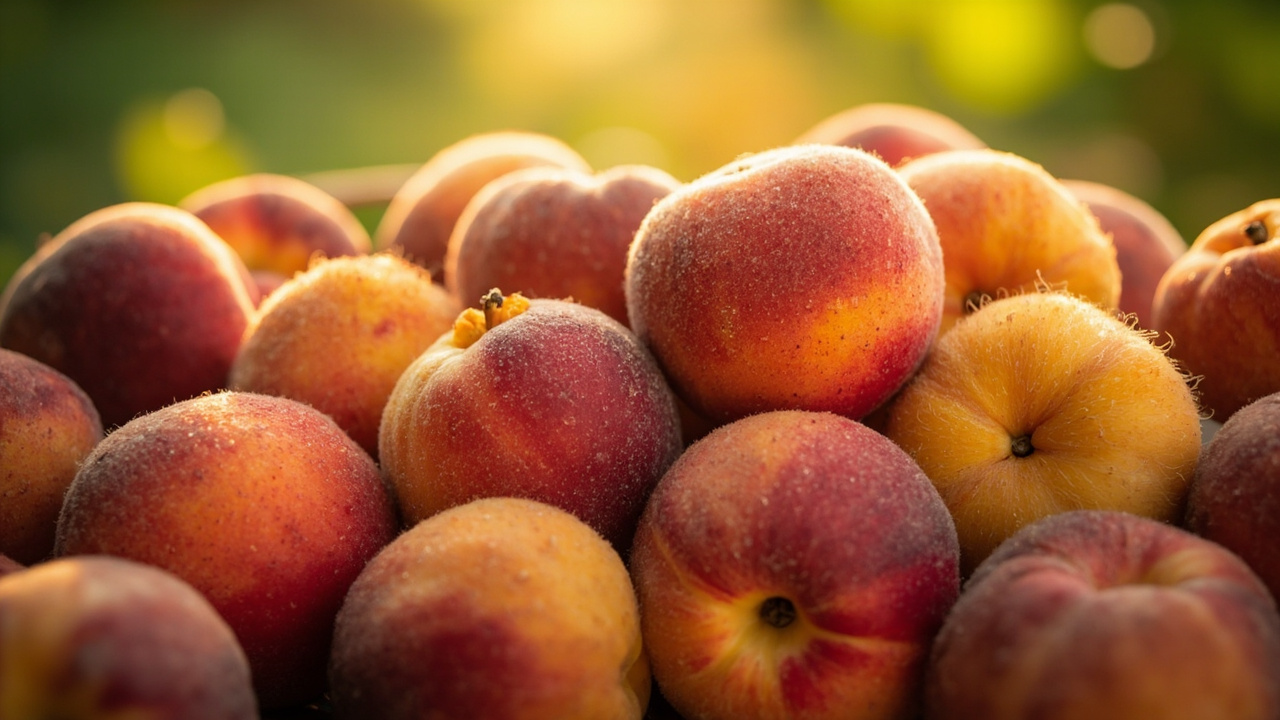
Here is the honest version: growing apricots from seed is easy to start and slow to finish. You crack the pit, chill the kernel over winter, sow it in late winter or start it outdoors after frost, and if it germinates you get a tree in weeks. But that tree won’t fruit for three to five years, and it almost certainly won’t taste like the apricot you ate the seed from.
That last part is the mistake that trips up most people before they even plant. They assume a seed from a grocery-store apricot grows into the same apricot. It doesn’t, because apricots don’t come true from seed, and I’ll walk you through what that actually means for your harvest later on.
There’s also a step almost everyone skips or botches, one that determines whether your pit sprouts at all, and a sign during germination that looks like failure but usually isn’t. Stick with me through all of it, and save the Apricots at a Glance card at the bottom for quick reference once you’re out at the tree with dirt on your hands.
When to Start Apricot Seeds
Apricot pits need a cold, moist period before they’ll sprout, so timing runs backward from when you want a tree in the ground. Start the stratification process in late fall to midwinter, roughly 10 to 12 weeks before your last expected frost.
You can also skip the fridge and let nature do it: bury pits 2 to 3 inches deep outdoors in late fall, in a spot you’ll remember, and let winter cold do the stratifying. Either path times the seed to be ready to grow right as the ground warms in spring.
Sowing too early indoors without cold treatment is the second most common failure. The seed just sits there, dormant, waiting for a winter that never came.
Get the timing right and the next question is how to actually crack and plant the thing.
Sowing Apricot Seeds Step by Step
The pit is not the seed. Inside that hard shell is a kernel that looks like a small almond, and that kernel is what you’re planting.
Step 1: Extract the kernel
Crack the pit carefully with a nutcracker or vise, just enough to split the shell without crushing what’s inside. Pull out the tan kernel whole.
Step 2: Cold stratify
Tuck the kernel into a plastic bag with a handful of damp (not wet) peat moss or sand. Refrigerate at 34 to 41°F for 8 to 12 weeks. Check every couple weeks; if you see mold, rinse the kernel and refresh the medium.
Step 3: Sow
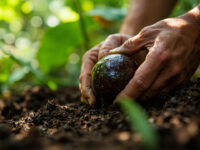
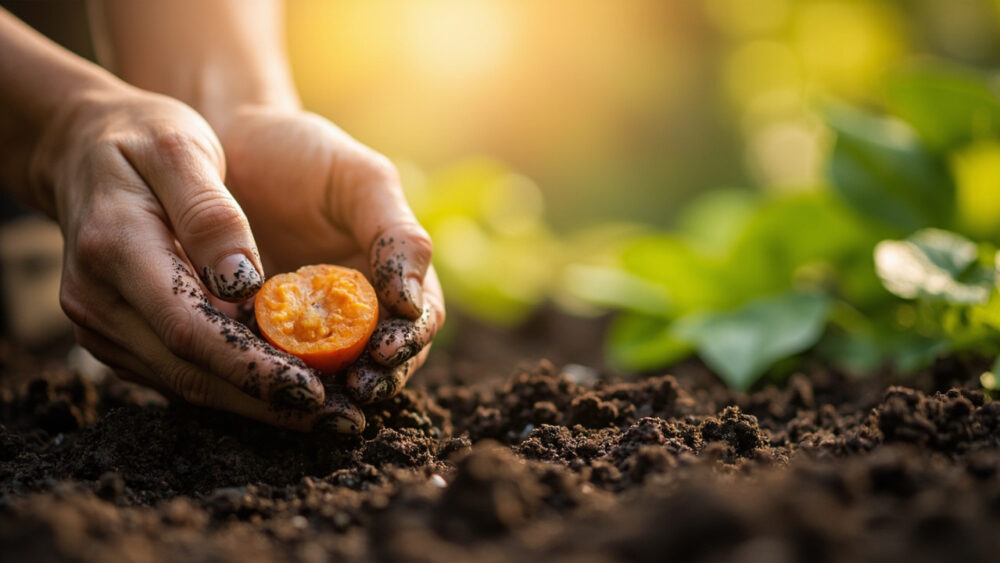
After stratification, or after a winter outdoors, plant the kernel 1 to 2 inches deep in a pot of well-draining potting mix, or directly in garden soil once it’s workable and frost risk has passed. Keep soil moist, not soggy.
Step 4: Light and temperature
Once sprouted, apricot seedlings want full sun and daytime temperatures around 65 to 75°F. A bright windowsill works for the first few weeks if you started indoors.
Sowing correctly gets the seed in the ground; germination is where patience actually gets tested.
Germination: What’s Normal and What’s a Warning Sign
Expect a sprout in 2 to 6 weeks after sowing, assuming stratification actually happened. That range is wide because pit hardness and cold exposure vary a lot seed to seed, even from the same tree.
Here’s the sign everyone misreads: a kernel that swells, splits, and shows a root tip, then seems to stall for a week or two before the shoot pushes up. That pause looks like failure. It isn’t.
The real warning sign is different: a kernel that goes soft, discolored, or mushy, or one that sits in warm moist soil for 8 or more weeks with zero visible change. That one has rotted or was never viable, and no amount of extra waiting fixes it.
If you started multiple pits, which I’d recommend, expect an uneven germination rate. Even under good conditions, plenty of pits simply don’t sprout.
Once you’ve got a real seedling with true leaves, the next decision is when it’s tough enough to move outside for good.
Hardening Off and Transplanting
If you started seed indoors or in a protected spot, the seedling needs a week to 10 days of hardening off before it lives outside full time. Set it outdoors in a sheltered, shaded spot for an hour or two the first day, and add an hour or two daily, working up to a full day in direct sun by the end of the week.
Transplant into the ground once nighttime temperatures reliably stay above 40°F and the seedling has at least 4 to 6 true leaves. Choose a site with full sun, at least 6 hours daily, and soil that drains well. Apricots hate wet feet and will develop root rot in a low spot that holds water.
Dig a hole twice the width of the root ball, set the seedling at the same depth it was growing, backfill, and water in well. Space multiple trees 15 to 20 feet apart if you’re growing more than one, since a mature apricot tree gets wide.
A seedling in the ground still has years of growing to do before you’ll see a bloom, let alone fruit.
Season-by-Season Care
Water a young apricot tree deeply once or twice a week through its first two summers, letting the top 2 to 3 inches of soil dry between waterings. Established trees, three years and older, handle short dry spells fine and only need supplemental water during real drought.
Skip heavy nitrogen fertilizer in the first year. It pushes soft, fast growth that winter cold will damage. A light balanced feed in spring, once the tree is established, is plenty.
Prune in late winter while the tree is dormant, removing crossing branches and opening the center to light and air. Apricots are prone to brown rot and bacterial canker in humid climates, and good airflow through the canopy is your best cultural defense against both.
Watch for aphids and borers through the growing season. A strong, unstressed tree shrugs off minor pest pressure that would seriously damage a struggling one.
Every year of care is building toward one thing: the spring your seedling finally decides to bloom.
When It Reaches Bloom and Harvest
A seed-grown apricot tree typically blooms for the first time in its third to fifth year, showing clusters of pale pink to white flowers in early spring before leaves fully emerge. That bloom is a genuine milestone, but it’s also where the seed’s genetic gamble becomes obvious.
Now for the follow-up question you were probably already forming: will the fruit taste like the parent apricot? Almost certainly not exactly. Apricots are heavily cross-pollinated, and a seedling is a genetic mix of both parents, not a copy of one.
Sometimes that mix produces good, even excellent fruit. Often it produces something smaller, more acidic, or less consistent than named grafted varieties like Blenheim or Goldcot. You won’t know which you got until the tree fruits.
Ripe fruit, when it finally comes 3 to 4 months after bloom, tells you it’s ready through smell and touch: a sweet aroma at the stem end and skin that gives slightly under gentle thumb pressure. Color alone is unreliable, since many varieties turn orange well before they’re actually ripe.
If the seedling’s fruit disappoints you, that’s not a failure on your part, it’s just genetics, and you can always graft a known variety onto that same rootstock later.
Apricots at a Glance
- When to plant: stratify pits 8 to 12 weeks in the fridge or bury outdoors in fall, sow after your last frost once soil is workable.
- Depth and spacing: plant kernels 1 to 2 inches deep, space mature trees 15 to 20 feet apart.
- Ideal conditions: full sun, at least 6 hours daily, well-draining soil, daytime temperatures around 65 to 75°F for seedlings.
- Germination window: 2 to 6 weeks after proper cold stratification, uneven rates are normal.
- Time to bloom: 3 to 5 years from seed for a first flowering.
- Time to harvest: fruit ripens 3 to 4 months after bloom, judge by aroma and slight give, not color alone.
- The trade-off: seed-grown fruit rarely matches the parent tree exactly, since apricots don’t grow true from seed.
Growing apricots from seed rewards patience more than skill. Get the cold treatment right, give the tree years, and let the fruit itself decide if it’s a keeper.