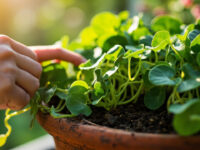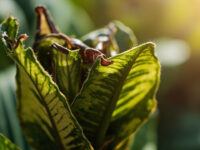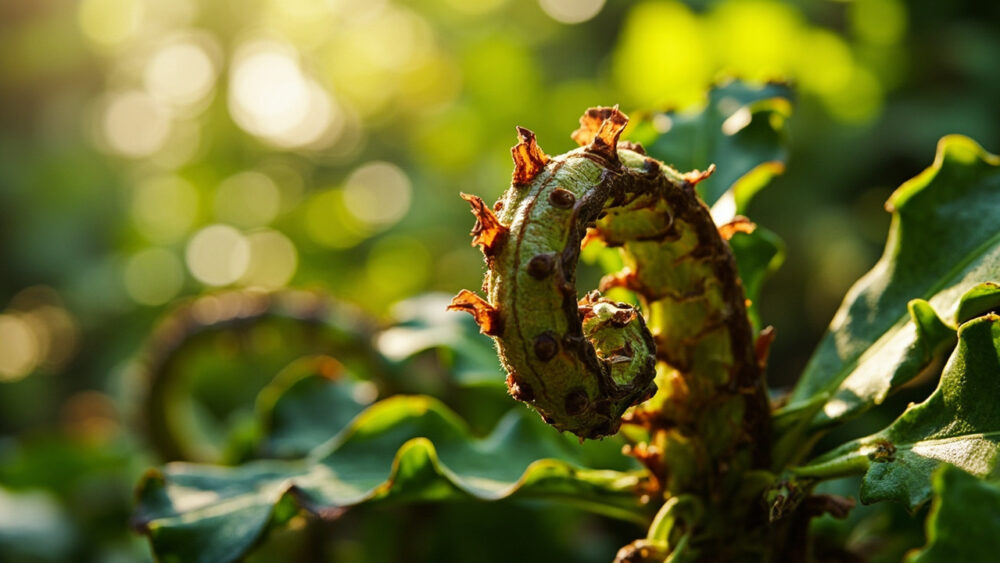
Nine times out of ten, bird’s nest fern leaves turning brown comes down to dry air and tap water it doesn’t like, usually showing up first as crispy brown tips or edges on the outer fronds. The fix is almost always a combination of humidity and switching to filtered or distilled water, not more watering. But that’s only the most common cause, not the only one, and giving more water when the real problem is chlorine or low humidity will just add root rot on top of your brown tips.
Most people blame underwatering the second they see brown, and that guess is wrong more often than it’s right on this plant. Bird’s nest ferns are just as likely to brown from too much water sitting around the roots, or from a puckered center crown you haven’t noticed yet because you’re staring at the leaf tips instead. There’s one detail on the plant, where exactly the brown starts and which leaves it hits, that tells you which of these five or six causes you’re actually dealing with.
Stick with this to the end. There’s a two-minute diagnosis checklist at the bottom you can run right at the plant, plus the honest odds on whether those brown fronds are coming back or not.
Most Likely Causes, in Order
1. Low humidity and dry air
This is the default cause indoors, especially near heating vents, air conditioning, or in winter when indoor air drops below 30 to 40 percent humidity. Confirm it by checking whether the browning is concentrated on leaf tips and edges, with a thin, papery, crisp texture, and whether it’s worse on fronds nearest a vent or a drafty window. Fix it by grouping plants together, running a humidifier nearby, or setting the pot on a pebble tray with water below the pot’s base, and move it away from vents and forced-air drafts.
Get the air right and you buy yourself room to fix everything else.
2. Tap water sensitivity (chlorine, fluoride, or salts)
Bird’s nest ferns are genuinely fussy about water chemistry in a way a lot of other houseplants aren’t. Confirm it by looking for brown or blackened tips and margins on otherwise healthy-looking fronds, with no wilting or mushiness, especially if your tap water is chlorinated, softened, or heavy with fluoride. Switch to distilled water, rainwater, or tap water left out uncovered for 24 hours so chlorine can off-gas, and flush the pot with plain water occasionally to clear built-up salts.
If the water’s clean and the air’s humid and you’re still seeing brown, look lower on the plant.
3. Overwatering and root rot
This is the one that turns a cosmetic problem into a plant-killing one. Confirm it by checking the soil at 1 to 2 inches deep: if it’s consistently wet, feels cold or sour, or the pot has no real drainage, and the browning is mushy rather than crisp and starts at the base or center rather than the tips, this is your cause. Let the soil dry out to just barely moist before watering again, repot into a well-draining mix if the current one stays soggy, and make sure the pot actually drains rather than sitting in a saucer of standing water.
The next cause looks similar from a distance but starts in a completely different spot on the plant.
4. Water sitting in the crown
Bird’s nest ferns grow from a central rosette, and that crown rots fast if water pools in it. Confirm it by looking directly at the center of the plant, not the outer leaves, for a soft, dark, or mushy patch where new fronds emerge. This usually happens from overhead watering or misting directly into the funnel-shaped middle. Water at the soil line only, tilt the pot to drain excess water out of the crown if you’ve been watering from above, and improve airflow so the center dries between waterings.
A rotting crown is the one cause on this list where speed actually matters.
5. Too much direct light or fertilizer burn
Less common, but easy to miss because the plant looks otherwise fine. Confirm sunlight scorch by checking for brown patches on the side of the plant facing a bright window, often with a bleached or yellowed halo around the brown. Confirm fertilizer burn by checking whether you’ve fed recently and the browning shows up as tip burn on newer growth with a slightly white or crusty soil surface. Move the plant out of direct sun into bright indirect light, and flush the soil with plain water if you suspect a fertilizer buildup, then cut feeding back to a quarter strength every four to six weeks.
Once you’ve got a suspect, the next section helps you confirm it against the others so you’re not guessing.
How to Tell the Causes Apart
Where the brown starts is the biggest tell. Tip and edge browning on outer, older fronds points to humidity or water chemistry. Base or center browning that’s soft or mushy points to overwatering or crown rot.
- Crisp, dry, papery brown at leaf tips: humidity or tap water.
- Mushy, dark brown starting at the crown: water sitting in the center, act fast.
- Mushy brown starting at the soil line and creeping upward: root rot.
- Brown patches on the sun-facing side only: scorch, not a watering issue at all.
- Crusty white soil surface plus tip burn on new growth: fertilizer salt buildup.
New leaves affected first is a different, more urgent story than old leaves browning slowly.
Once you know which one you’ve got, here’s the honest truth about whether it’s coming back.
Will It Recover?
Brown fronds and brown tips never turn green again. That part is non-negotiable on any fern.
The real question is whether the plant stops making more of them. Fix the humidity or water quality and new growth comes in clean within a few weeks, though you’ll want to trim the old damaged fronds off at the base for looks, not for the plant’s health. Root rot has a real recovery chance if you catch it before more than a third of the roots are affected and you repot promptly into fresh, well-draining soil. Crown rot is the one to be honest about: if the center rosette has gone soft and dark, that’s the plant’s only growth point, and there usually isn’t a way back from advanced crown rot. Catch it early and you might save it by cutting away the rotten tissue and keeping the crown bone dry; catch it late and it’s time to accept the loss and start a new plant.
Whatever the cause, the same handful of habits keep it from coming back.
How to Keep It From Happening Again
Water only when the top inch or two of soil feels dry, using distilled water, rainwater, or dechlorinated tap water at room temperature. Keep humidity above 40 percent with a humidifier, pebble tray, or grouped plants, and keep the fern away from heat vents and cold drafts.
Always water at the soil line, never into the central crown, and make sure the pot drains completely with no standing water in the saucer. Give it bright, indirect light rather than direct sun, and feed lightly, no more than a quarter-strength dose every month or so during active growth.
That’s the whole prevention list, and it’s also exactly what the checklist below walks you through at the plant right now.
Diagnosis Checklist
- Look at where the brown is: leaf tips and edges point to humidity or water quality, base or center points to rot.
- Touch the brown tissue: crisp and dry means environmental, soft and mushy means rot in progress.
- Check the soil at 1 to 2 inches deep: consistently wet and cold suggests overwatering.
- Inspect the central crown closely: any dark, soft tissue there means act today, not this weekend.
- Check your watering habit: if you mist or pour into the center funnel, that’s likely your cause.
- Check your water source: straight tap water with chlorine or softener salts is a common, overlooked trigger.
- Check the room’s humidity and the plant’s distance from vents, radiators, or air conditioning.
- Check light exposure: direct sun on one side matching the brown patches means scorch, not water.
- Check the soil surface for white, crusty buildup: that points to fertilizer salts, not underwatering.
- Once identified, treat only that cause: resist the urge to water more, mist more, or feed more just in case.
Most brown bird’s nest fern leaves trace back to dry air or tap water, and both are easy, boring fixes once you name them correctly.
Trim the damage, fix the real cause, and give it a few weeks before you judge the results.