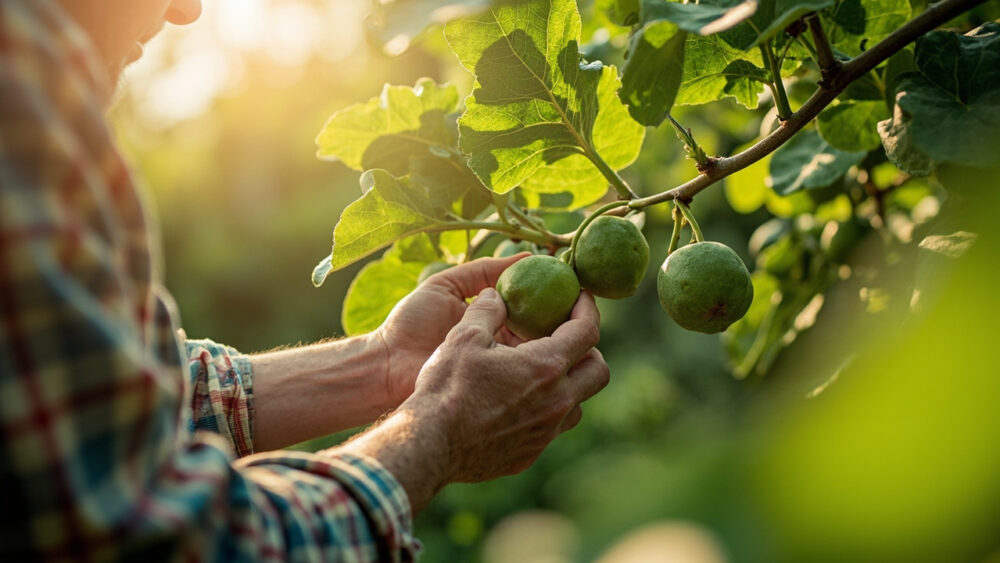
How to care for figs comes down to four things the tree actually demands: six or more hours of direct sun, soil that drains fast but never dries to dust for long, a hard pruning discipline, and winter protection if you garden anywhere colder than zone 7. Get those four right and a fig will outlive you. Get one wrong and you’ll spend years wondering why a tree everyone calls “easy” keeps sulking, dropping fruit, or dying back to the ground every winter.
Here’s what trips people up. Most new fig owners overwater because the leaves look tropical and thirsty, and that single habit rots more root systems than cold ever does. Almost everyone also misreads the tree dropping its immature figs in late summer as disease, when it’s usually just the tree doing its own math. And there’s a question you haven’t asked yet but will: whether that potted fig actually needs to come indoors for winter, because the answer depends on your zone in a way most articles skip right past.
All of it is below, including the mistake that costs people an entire crop and the save-able Figs at a Glance card at the very bottom.
Light, Placement, and Temperature
Figs want full sunsix to eight hours minimum, and a spot with reflected heat if you can manage it. A south-facing wall, a patio, gravel or pavement nearby: figs evolved around Mediterranean rock and heat, and they fruit better when they get more of both.
Figs are hardy roughly to zone 7 in the ground (some cultivars like Chicago Hardy push into zone 6 with winter dieback and regrowth). Below that, grow them in containers you can move, or plant against a heat-holding wall and wrap the trunk for winter.
Indoors or in a greenhouse, figs still want the brightest window or spot you have. Weak light gets you a leafy tree that never fruits.
Where you put the tree today decides more than any fertilizer you’ll ever buy it.
Watering: How Much, How Often, and How to Tell
If you assumed a fig’s big soft leaves mean it wants constant moisture, that guess is what kills more container figs than drought ever does. Figs actually tolerate dry spells well once established and hate sitting in soggy soil far more.
Water in-ground trees deeply once a week during the growing season, more often in extreme heat, and taper off as leaves start to yellow in fall. Check the top 2 to 3 inches of soil; if it’s still damp, wait.
Potted figs dry out faster and need checking every few days in summer, watered thoroughly when the top inch is dry to the touch. Always let excess water drain out the bottom, never let the pot sit in a saucer full of water.
Underwatered figs drop leaves from the bottom up; overwatered figs yellow all over and the soil smells sour. Learn that difference and you’ll never guess again.
Soil, Potting Mix, and Feeding
Figs want soil that drains fast: sandy loam in the ground, or a potting mix cut with perlite or coarse sand if you’re in a container. Heavy, waterlogged clay is the single worst thing you can plant a fig into.
Feeding figs is a place to go light. A balanced fertilizer in spring as growth starts, maybe a second light feeding in early summer, is plenty. Too much nitrogen buys you huge leaves, weak wood, and few figs.
Potted figs benefit from a slow-release fertilizer worked into fresh mix at repotting, then a light liquid feed monthly through the growing season.
Rich soil sounds generous, but a fig grown too soft rarely fruits well, and that connects directly to the pruning job coming next.
Pruning, Repotting, and Winter Prep
Prune figs while dormant, late winter before buds swell. Remove dead, crossing, and crowded wood, and head back overly long shoots to shape the tree and keep fruit within reach.
Figs fruit on both old wood (an early “breba” crop) and new season’s growth (the main crop), so don’t strip all the old wood hoping for more new growth. You’ll sacrifice the earlier harvest.
Repot container figs every 2 to 3 years in early spring, sizing up one pot size and refreshing the mix. Root-bound figs stall out and drop fruit early.
Where winters drop hard below zone 7, move potted figs into an unheated garage or shed once they’ve dropped their leaves, and keep the soil barely damp until spring. In-ground trees in marginal zones get a thick mulch collar and, for young trees, a wrap of burlap or frost cloth around the trunk.
Get the winter plan wrong once and you can lose two years of wood growth in a single hard freeze.
The Problems Most Likely to Strike
Fig trees dropping green, immature fruit in late summer is usually normal self-thinning, not a disease, especially after a stretch of stress like drought or a sudden temperature swing. The tree is shedding what it can’t finish ripening before season’s end.
Rust-colored spots on leaves that drop early point to fig rust, a fungal issue worse in humid climates. Clean up fallen leaves promptly and improve air circulation, and if it’s severe, a fungicide labeled for rust on fruit trees applied per the label can help going forward.
Root rot from overwatering shows up as wilting despite wet soil, with yellowing leaves and a sour smell at the roots. The fix is drier soil and better drainage, not more water.
Fig trees are mildly toxic to pets and people if leaves, sap, or unripe fruit are eaten in quantity, and the milky sap can also irritate skin on contact. If a pet eats a significant amount, call your veterinarian rather than waiting to see what happens.
Most fig problems trace back to water or winter, which means most of them are preventable.
How to Tell Your Fig Is Actually Thriving
A thriving fig pushes out new leaves steadily through spring and summer, holds its leaves without yellowing or early drop, and sets fruit that swells and softens rather than shriveling on the branch. Bark on young wood should look supple, not cracked or corky.
Ripe figs tell you plainly: they soften, droop slightly on the stem, and sometimes weep a drop of sugar from the eye at the bottom. Color deepens for the variety, whether that’s purple-black, green-gold, or brown. Pick then. Figs don’t ripen further once cut from the tree.
A healthy tree in the ground can eventually reach 10 to 25 feet without pruning, though most home growers keep it to 8 to 12 feet with regular cuts.
If your tree is doing all of that, you’ve already earned the shortcut list below.
Figs at a Glance
- Light needed: full sun, six to eight hours a day minimum, more heat is better.
- Hardiness: reliable in-ground to about zone 7, marginal in zone 6 with winter dieback, containers needed colder than that.
- Watering: deep weekly soakings in-ground during the growing season, container mix checked every few days and watered when the top inch is dry.
- Soil: fast-draining sandy loam or a perlite-amended potting mix, never heavy wet clay.
- Feeding: light balanced fertilizer in spring, a second light feed in early summer, go easy on nitrogen.
- Pruning: late winter while dormant, keep some old wood for the early crop.
- Winter care: mulch and trunk wrap in marginal zones, move potted figs into an unheated shed once leaves drop.
Get the sun, the drainage, and the winter plan right, and everything else about fig care is just maintenance.
When in doubt, water less and prune with intention. That’s the habit that actually grows fruit.