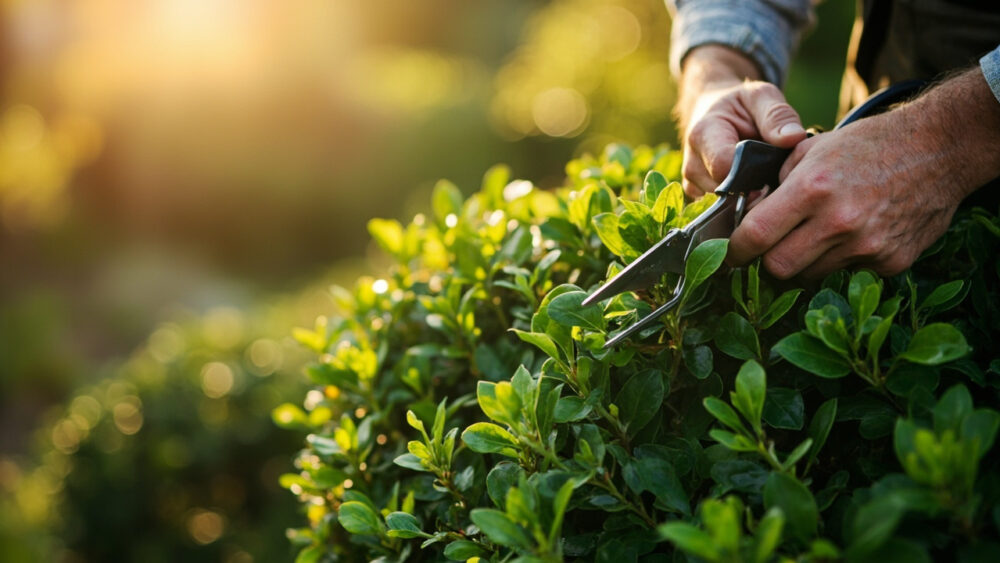
The right time to prune boxwood is late spring through mid summer, after the first flush of new growth has hardened off a bit, usually four to six weeks after that growth first appears. A light shaping touch-up can happen again in late summer, but you want to stop cutting at least six weeks before your first hard frost so new growth has time to toughen up before cold hits. Do a harder structural cut in late winter or very early spring instead, while the plant is still dormant and you can see its bones.
Most people who ruin a boxwood do it in one of two ways: they shear it in early spring right as buds are swelling, or they keep clipping into fall because the plant “still looks shaggy.” Both feel logical. Both set the plant up for winter damage or a permanently thin, hollow center.
There is also a sign almost everyone misreads: orange or brown patches inside the plant after you prune. Most gardeners assume they cut too hard and panic. The real cause is usually something else entirely, and I will walk through it below. Stick around, because the full Boxwood at a Glance card is at the bottom with every number saved in one place for your phone.
When to Prune, and When to Leave the Shears Alone
Boxwood has two pruning windows. The main one is late spring into midsummer, once the first growth flush has firmed up and lost its bright lime color. The second, lighter window is late summer for minor shaping only, stopping a good six weeks before your average first frost date.
Do not prune in early spring while new leaves are still soft and reddish-green, and do not prune deep into fall. Both cuts stimulate tender new growth that has no time to harden before cold weather, and that new growth is what browns out or dies over winter.
Structural, hard renovation cuts are the exception. Those belong in late winter to very early spring, before buds break, when you can see the shrub’s shape without leaves in the way.
Timing gets you most of the way there, but the tools you grab next decide whether the cuts heal clean or invite disease.
Tools and the One Prep Step Everyone Skips
For light shaping, hand shears or hedge shears both work. For thinning cuts deep inside the plant, bypass hand pruners give you cleaner, more precise cuts than shears ever will.
The prep step that actually matters: disinfect your blades before you start, and again if you move to a different boxwood plant. Boxwood blight and other fungal diseases spread easily on pruning tools, and a shrub with blight often has to be removed entirely rather than treated. Wipe blades with rubbing alcohol or a diluted household disinfectant between plants.
Also check the weather. Prune on a dry day, and avoid cutting right before rain if you can help it. Wet foliage and fresh cuts together are exactly the conditions fungal spores love.
Clean tools and dry weather cost you five minutes and save you a shrub.
How to Cut: Step by Step
- Start with dead and crossing wood: remove any dead, brown, or diseased branches first, cutting back into healthy wood.
- Shape from the outside in: cut the outer layer first to define the form, then step back and look before going further.
- Keep the top narrower than the base: a boxwood shaped like a slightly tapered cone or dome lets light reach the lower branches, which keeps the bottom from going bare.
- Thin, do not just shear: every couple of years, reach into the interior and remove a few older stems entirely at their base to let light and air into the center.
- Take no more than one third: removing more than about a third of the total growth in one season stresses the plant and slows next year’s recovery.
That one-third rule is the part most guides skip, and it is the difference between a shrub that bounces back and one that sulks all summer.
What to Expect in the Weeks After You Prune
Fresh cuts on boxwood look pale or yellowish at first where the wood is exposed, and that is normal. New growth typically shows up within two to four weeks during the growing season, filling in the cut edges.
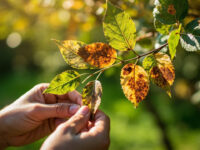
About those orange or brown patches I mentioned earlier: if you see them inside the plant after opening it up, it is almost never over-pruning. It is usually old, shaded-out interior growth that was already dead or dying and simply hidden by the outer foliage. Pruning exposed it. That is the plant telling you it needed thinning, not evidence you hurt it.
Water the shrub well after a hard prune, especially if the weather turns dry, and skip fertilizing right afterward. Fertilizer pushes soft new growth exactly when you don’t want it racing to catch up.
Give it a full season before judging the shape, because boxwood fills in slowly and unevenly at first.
The Mistakes That Cost You a Season, or the Whole Shrub
Shearing the same silhouette every single time is the most common long-term mistake. It builds a dense green shell over a hollow, twiggy, light-starved interior. Eventually a storm, heavy snow load, or one aggressive trim exposes that hollow core and the shrub never fully recovers its density.
Pruning in high heat or drought stress is another one. Cutting a boxwood that is already wilting or bone dry at the roots adds insult to injury and slows healing considerably.
Late-season pruning deserves repeating because it is the single most frost-costly mistake: any cut made within six weeks of your first expected frost risks tender regrowth that winterkills, leaving brown, dead patches you will have to cut out again next spring anyway.
Skipping the thinning cuts for years in a row is the quiet mistake. It feels like you are maintaining the shrub because it looks tidy, but you are actually setting up the hollow-shell problem mentioned above.
Get the timing and the depth of cut right, and everything else about boxwood care gets easier.
Boxwood at a Glance
- When to prune: late spring through midsummer, four to six weeks after the first growth flush hardens off, with a light late summer touch-up allowed if it happens at least six weeks before your first fall frost.
- When to avoid pruning: early spring while new growth is still soft and red-tinged, and any time within six weeks of your first frost date.
- Structural or renovation cuts: late winter to very early spring, before buds break, while the plant is dormant.
- How much to remove: no more than about one third of total growth in a single season.
- Shape to aim for: slightly narrower at the top than the base, so light reaches the lower and inner branches.
- Tool prep: disinfect blades before starting and between plants to avoid spreading boxwood blight or other fungal disease.
- After pruning: water well, skip fertilizer, and expect visible new growth within two to four weeks during the growing season.
Prune boxwood on its schedule, not yours, and take a third off at most.
Do that consistently for a couple of years and the hollow-shell problem never gets the chance to start.