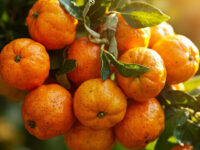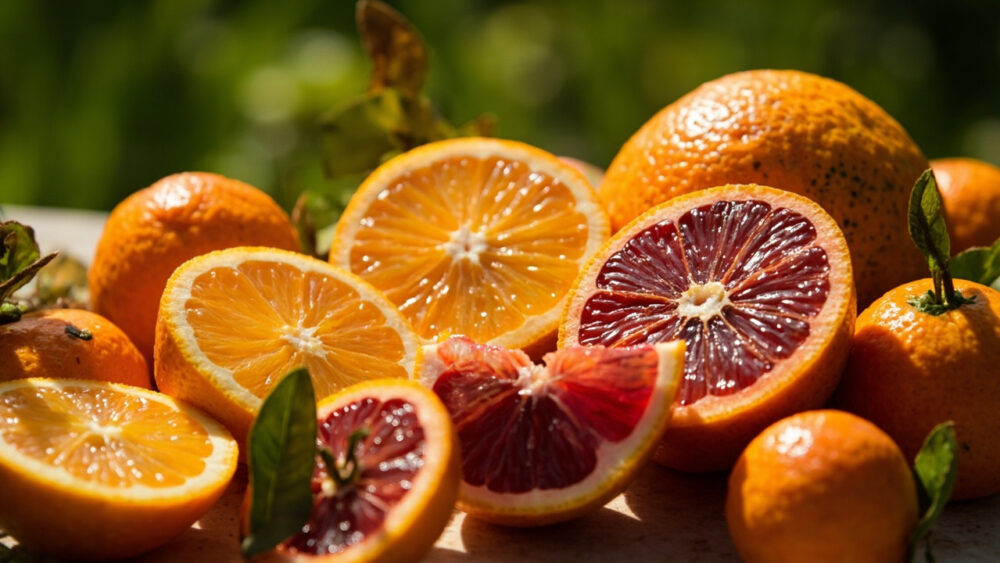
The fastest way to sort out types of oranges is by what you actually want from the tree: eating fresh, juicing by the pitcher, growing in a cold climate, or fitting one in a pot on a patio. Once you know that, the list of 15 sorts itself, because sweet oranges, blood oranges, mandarins, sour oranges, and cold-hardy hybrids each solve a different problem. Get the category wrong and you end up with a beautiful tree and fruit you never actually use.
Most people grab a Navel because it is the only name they know, which is not a wrong choice, but it is often the wrong reason. Meanwhile the growers who have killed a few citrus trees quietly favor a scrappier, less photogenic type that fruits reliably where a Navel sulks. Number 13 on this list is the one almost everyone misjudges completely, usually in the opposite direction of what makes sense.
Stick with me through all three groups. The last few entries, including the how-to-choose method, are worth the scroll, especially if you are picking based on your winter lows rather than a nursery photo.
Sweet Eating Oranges
These are the everyday, peel-and-eat types, bred for sugar and easy sections rather than juice yield.
1. Washington Navel
Seedless and easy to peel, this is the orange most people picture when they hear the word. It fruits in winter, grows to 12 to 20 feet unless kept pruned, and needs a genuinely warm climate, USDA zone 9 or 10, to sweeten up properly. The tradeoff is that it does not store or ship as well as firmer types, so it is really a tree for eating fruit within weeks of picking.
2. Cara Cara Navel
Pink-fleshed and lower in acid than a standard Navel, with a flavor people describe as tasting faintly of berries. It grows exactly like a Washington Navel and needs the same warmth, so think of it as the Navel’s more interesting cousin rather than a different tree to manage.
3. Valencia
The juicing standard, prized for high juice content and a longer season that runs into late spring or even summer in warm climates. It has seeds, unlike a Navel, and the tree tends to hold fruit on the branch for months without spoiling, which makes it forgiving if you cannot harvest the moment it ripens.
4. Hamlin
An early, cold-tolerant juicer that ripens well before Valencia and handles brief cold dips better than most sweet oranges. The fruit is smaller and less striking to eat fresh, with a thinner rind and a few seeds, but if you are in a marginal citrus zone and want juice, this is the practical pick over a Valencia.
5. Jaffa
Thick-skinned and easy to ship, bred originally for export, which makes it a good choice if your tree sits somewhere fruit needs to survive handling before it gets eaten. It is sweet, moderately seedy, and grows on a fairly standard-sized tree, nothing unusual to manage.
Sweet oranges cover the fresh-eating and juicing basics, but there is a whole separate group grown almost entirely for color and flavor complexity.
Blood Oranges
These develop red pigment in the flesh and sometimes the rind, and that pigment depends more on cool nights than on the variety label alone.
6. Moro
The deepest red of the common blood oranges, with a flavor people often describe as raspberry-tinted underneath the citrus. It needs a real temperature swing between warm days and cool nights as fruit matures to develop that color, so the same tree grown in a mild coastal climate may stay mostly orange inside.
7. Tarocco
Milder and less bitter than Moro, with mottled pink-to-red flesh rather than a solid deep red. Italians treat this as the eating blood orange rather than the showy one, and it is genuinely easier to enjoy fresh if Moro’s intensity is more than you want.
8. Sanguinello
Fewer seeds and a softer red blush mark this one, and it ripens a bit later in the season than Moro. It is a good middle choice if you want blood orange character without hunting down the more intense varieties, though it can be harder to find at retail nurseries than Moro or Tarocco.
Color oranges are a mood, but the next group is about size and convenience instead of drama.
Mandarins and Easy-Peel Types
Botanically these are a looser fit under “orange,” but they are sold and grown alongside them constantly, and the confusion is worth clearing up directly.
9. Satsuma
The most cold-tolerant of this whole group, handling brief dips into the low 20s Fahrenheit once established, which makes it the mandarin gardeners in borderline zones actually succeed with. The fruit is loose-skinned, nearly seedless, and ready in fall, well ahead of most sweet oranges.
10. Clementine
Small, seedless, and intensely sweet, this is the type sold in mesh bags around the holidays. It wants the same warm zone as a Navel, is less cold-hardy than Satsuma, and the tree tends to stay more compact, which suits container growing.
11. Honey Murcott (Honey Tangerine)
Sweeter and juicier than a Clementine, with a rougher-looking rind that undersells the flavor inside. It ripens later in winter and holds well on the tree, but it does carry seeds, which is the tradeoff for that extra sugar.
12. Tangelo
A cross between a mandarin and a grapefruit or pomelo, recognizable by the small knob at the stem end on many varieties. It is more acidic and complex than a straight mandarin, grows on a tree similar in size to other citrus, and rewards people who want something a little sharper than a Clementine.
That covers the sweet and easy-peel side, but the sourest, toughest members of the orange world are still ahead, and one of them is badly misunderstood.
Sour and Cold-Hardy Oranges
These are not for eating fresh off the tree in most cases, but they solve problems the sweet types cannot.
13. Seville (Bitter Orange)
Too sour to eat like a Navel, and that is the entire point. Most people taste one fresh, assume it is a failed or diseased tree, and give up on it. It is actually the classic marmalade orange, prized for high pectin and a bitter-bright flavor that mellows beautifully once cooked down with sugar, and the tree itself is tougher and more disease-resistant than most sweet oranges.
14. Trifoliate Orange (Poncirus trifoliata)
The cold-hardiest citrus relative most gardeners can grow, surviving winters that would kill any true orange outright, down into USDA zone 6 in some cases. The fruit is fuzzy, seedy, and sour enough that it is grown mainly as a rootstock or an ornamental thorny hedge rather than for eating.
15. Bergamot
Grown for its peel and oil, not its flesh, which is bitter and dry compared with a juicing orange. It needs a warm citrus climate similar to a Navel, and its main garden value is fragrance and use in cooking or homemade extracts rather than fresh eating.
Once you have the full range in front of you, picking the right one is less about the prettiest fruit and more about matching the tree to your actual winters and your actual habits.
How to Choose the Right One
- Check your space first: full-size trees run 12 to 20 feet, but Clementine, Satsuma, and most mandarins take well to dwarfing rootstock and container culture on a patio.
- Match your climate honestly: true sweet oranges and blood oranges want USDA zone 9 to 10 with no hard freezes, Satsuma tolerates brief dips into the low 20s Fahrenheit, and Trifoliate Orange is the one to consider if your winters are genuinely cold.
- Decide the purpose before you buy: fresh eating points to Navel, Cara Cara, or a mandarin, juicing points to Valencia or Hamlin, and marmalade or cooking points to Seville.
- Consider seeds versus seedless if you are feeding kids or just impatient: Navels, Clementines, and most Satsumas are seedless or nearly so, while Valencia and Honey Murcott carry seeds.
- Be honest about your care appetite: citrus in containers needs regular feeding and consistent water, while an in-ground tree in the right zone is far more forgiving once established.
- If color is the goal, remember blood oranges need cool nights during ripening, so a mild coastal climate may never give you the deep red you are picturing.
Fifteen types, four real categories, and one honest rule: pick the purpose first, and the right orange follows on its own.
Plant for your actual winters, not the fruit bowl photo, and the tree will do the rest.