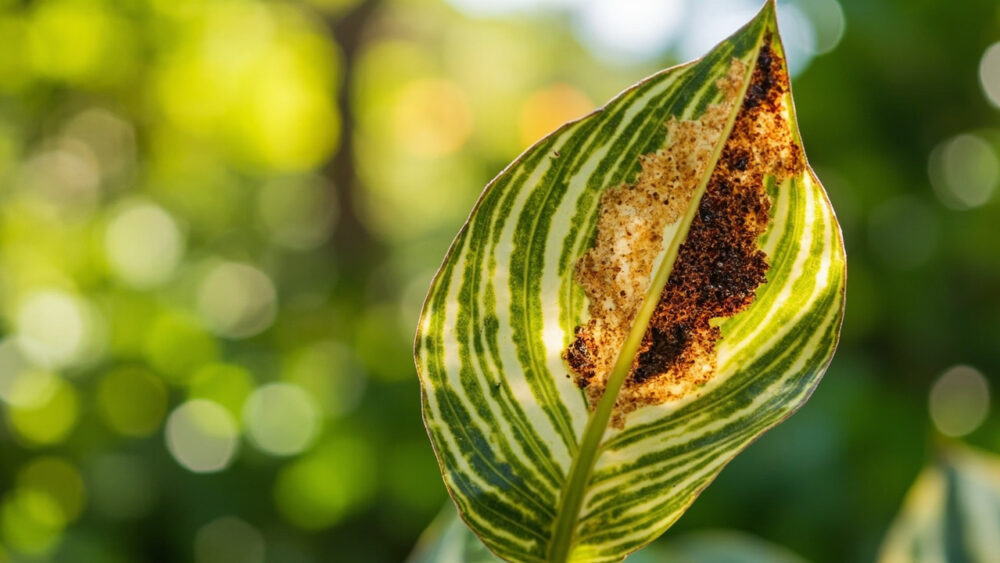
Nine times out of ten, brown leaves on an arrowhead plant (Syngonium podophyllum) mean the roots have been sitting in soggy soil, either from overwatering or a pot with nowhere for water to go. The fix is simple but not instant: let the soil dry out properly, check the roots for rot, and repot into a container with real drainage if you find any mush down there.
Most people blame low humidity first, since arrowhead plants get a reputation as jungle divas. That is usually the wrong guess, and chasing it with a humidifier while the real problem sits in the pot will cost you more leaves.
The exact spot the brown shows up, the leaf edge versus the center, old growth versus new, tells you almost everything. Stick around for that tell-apart guide, an honest recovery outlook for each cause, and a two-minute diagnosis checklist you can run right now, saved for the bottom of this page.
Why Arrowhead Plant Leaves Turn Brown
1. Overwatering and Root Rot
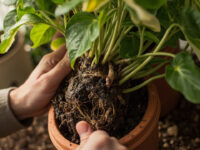
This is the most common cause by a wide margin. Confirm it by sliding the plant out of its pot and looking at the roots: healthy ones are firm and white to tan, rotted ones are dark, mushy, and smell sour or swampy. Soil that stays wet more than five or six days after watering is a strong warning sign even before you pull the plant.
Fix it by cutting away any black or mushy roots with clean scissors, letting the remaining roots air dry for an hour, and repotting into fresh, fast-draining soil in a pot with a drainage hole. Water only when the top two inches of soil feel dry.
The next most likely cause is almost the mirror image of this one.
2. Underwatering and Drought Stress
Arrowhead plants wilt before they brown, so if you have seen the leaves go limp and crispy in the same stretch, dry soil is likely the culprit. Confirm it by pushing a finger two inches into the soil. Bone dry, pulling away from the pot’s edge, is your answer.
Fix it with a thorough watering until liquid runs from the drainage hole, then get on a real schedule instead of watering on a whim. Checking soil moisture weekly beats guessing every time.
Light exposure causes a different, more localized kind of browning, and it is worth ruling out next.
3. Too Much Direct Sun
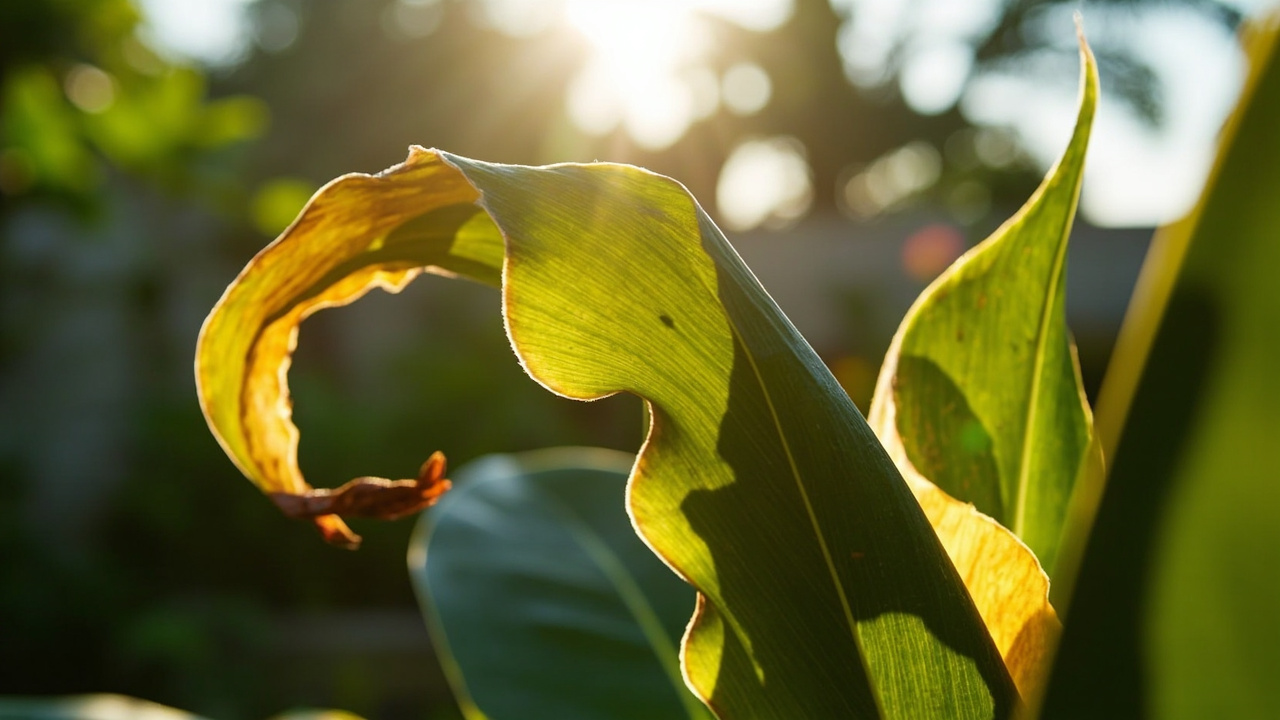
Arrowhead plants want bright, indirect light. Direct afternoon sun through an unfiltered window scorches leaf tissue, and that shows up as dry, papery brown patches, often with a slightly bleached or crispy yellow halo around them. Confirm it by checking whether the browning is concentrated on the side of the plant facing the window and worse on leaves closest to the glass.
Fix it by moving the plant a few feet back or behind a sheer curtain. Damaged leaves will not turn green again, but new growth will come in clean once the light is corrected.
Water quality is the next suspect, and it is one people rarely think to check.
4. Tap Water Minerals or Fluoride
Some arrowhead plants are sensitive to the salts, chlorine, and fluoride in municipal tap water, which shows up as browning along the leaf tips and edges while the rest of the leaf stays green. Confirm it by checking whether the crusty white buildup on the soil surface or pot rim matches the timing of the browning.
Fix it by switching to distilled water, rainwater, or tap water left out uncovered overnight so chlorine can dissipate. Flushing the pot with several cups of plain water can also help clear built-up salts from the soil.
Low humidity gets blamed constantly, but it plays a smaller role than most people assume.
5. Low Humidity or Dry Air
Arrowhead plants tolerate average home humidity fine, but very dry air, especially near heating vents in winter, can crisp the thinnest leaf edges. Confirm it by checking if the plant sits within a few feet of a heat vent, radiator, or drafty window, and whether the browning is confined to leaf margins with no other symptoms.
Fix it by relocating the plant away from direct airflow and grouping it with other plants or setting it on a pebble tray with water. A humidifier helps but is rarely required for this species.
One more cause is easy to miss because it looks identical to normal aging.
6. Natural Old Leaf Drop
Every arrowhead plant sheds its oldest leaves over time, and those leaves brown, yellow, and drop as part of normal turnover. Confirm it by checking whether only the lowest, oldest leaves are affected while new growth at the tips looks healthy and vigorous.
There is no fix needed here beyond snipping the spent leaf off at the base for tidiness. This is the one cause on this list that means your plant is doing exactly what it should.
With six possible causes on the table, the trick is matching your plant’s exact pattern to the right one.
How to Tell the Causes Apart
Location on the plant is your best clue. Root rot browns leaves anywhere, often several at once, usually paired with mushy stems near the soil or a wilted look despite wet soil. Underwatering browns leaf edges and tips after a visible wilt.
Sun scorch stays on the side facing the window and looks papery rather than mushy. Water quality issues concentrate on tips and margins with a slow, gradual creep. Low humidity mirrors that but stays confined to the thinnest edges without any wilting first.
Old leaf drop only ever touches the lowest, oldest leaves on the plant, never new growth.
Once you know which one you are dealing with, the next question is whether the plant bounces back.
Will It Recover?
Root rot has the most honest and least comforting answer: it depends on how much root mass is left. Catch it early with firm white roots still present and the plant usually recovers within three to six weeks of fresh soil and correct watering. If more than half the roots are black and mushy, cut losses and take stem cuttings to start over rather than fighting a dying root system.
Underwatering, sun scorch, water quality, and humidity issues are all cosmetic once corrected. The damaged leaves will not un-brown, but trim them off and new growth comes in normal within a few weeks.
Old leaf drop needs no recovery at all since nothing is actually wrong.
Whatever the cause, prevention is a lot less work than treatment.
How to Keep It From Happening Again
Water on a check, not a schedule. Stick a finger two inches into the soil and only water when it comes out dry. Arrowhead plants would rather run slightly dry than sit wet.
Use a pot with a drainage hole, always, and empty any saucer that collects runoff within an hour. Bright indirect light, a few feet back from south or west windows, keeps leaves from scorching. Filtered, distilled, or rested tap water avoids the slow tip burn that mineral-sensitive plants show over months.
Get these basics right and browning becomes the rare exception instead of the monthly complaint.
Diagnosis Checklist
- Feel the soil two inches down: wet and heavy points to overwatering, bone dry points to drought stress.
- Slide the plant from its pot and check the roots: white or tan and firm is healthy, dark and mushy means root rot.
- Note which leaves are affected: lowest and oldest only means normal aging, scattered leaves means a watering or root problem.
- Check the browning’s texture: papery and crisp suggests sun or dry air, soft and mushy suggests rot or severe overwatering.
- Look for a directional pattern: browning worse on the window-facing side points to sun scorch.
- Check for white crust on the soil or pot rim: this points to mineral buildup from tap water.
- Check the plant’s location: near a heat vent or drafty window points to low humidity or dry air.
- Match your findings to the closest cause above and apply that fix before making any other changes.
Most arrowhead plants forgive a rocky start once the watering habit gets fixed.
Give it consistent light, a well-drained pot, and water only when it asks for it, and the browning stops for good.