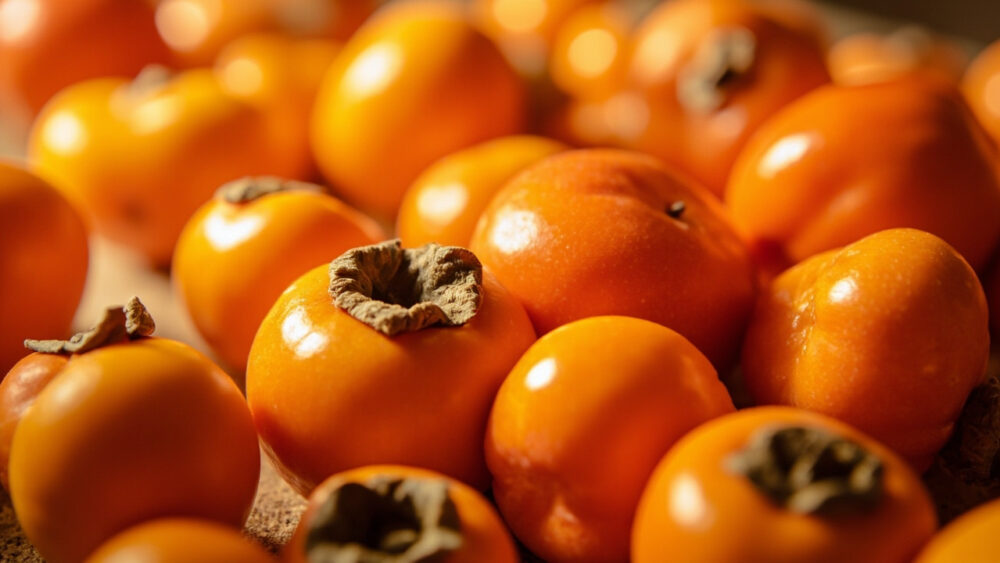
The one distinction that matters more than any other with persimmon varieties is astringent versus non-astringent. Astringent types are mouth-puckering, chalky, inedible garbage until they go soft and jelly-ripe, while non-astringent types can be eaten firm, like an apple, straight off the tree. Get that wrong and you will bite into a rock-hard Hachiya thinking it is a Fuyu, and you will not make that mistake twice.
Most people default to the one non-astringent variety they saw at the grocery store, which is a fine reason to grow it but a bad reason to stop there. There is an American native persimmon that most catalog shoppers skip entirely, and it is quietly one of the toughest, most cold-hardy fruit trees you can plant. There is also a variety everyone assumes is just a smaller Fuyu, and that guess is wrong in a way that trips up a lot of new growers.
Number 13 on this list is the one gardeners get completely backwards, mistaking its ripening behavior for a dying tree. The last few entries and the actual method for picking the right persimmon for your yard are waiting at the bottom, so keep scrolling before you decide.
Non-Astringent Types (Eat Them Firm)
These are the persimmons you can bite into like an apple, no waiting for mush required.
1. Fuyu
The tomato-shaped grocery store standard, flattened and squat, sweet and mild even when firm and crunchy. It grows reliably in zones 7 through 10, wants full sun, and stays a manageable 15 to 20 feet, making it the easiest entry point for a first persimmon tree.
2. Jiro
A slightly sweeter, more cold-tolerant cousin of Fuyu, with the same flat shape but a richer, almost honeyed flavor once fully colored. It sets fruit a touch more reliably in marginal zone 7 conditions than standard Fuyu does.
3. Izu
A compact, early-ripening non-astringent that fruits on a smaller tree, often staying under 12 feet, which makes it the pick for a small yard or a large container. Flavor is good but slightly less intense than Fuyu.
4. Suruga
The latest-ripening non-astringent worth growing, holding fruit on the tree well into late fall and developing a deep, almost caramel sweetness that early-season Fuyu never quite reaches. It rewards patient growers in warmer zones where frost comes late.
Non-astringent types get all the attention, but the astringent side of the family is where the real flavor extremes live.
Astringent Types (Wait Until They’re Jelly-Soft)
These are inedible until they go squishy-ripe, and that is not a flaw, it is the entire point.
5. Hachiya
The classic acorn-shaped astringent, deep orange, glossy, and genuinely dangerous to eat before it has gone soft as a water balloon. Once ripe it turns into a custardy, intensely sweet pulp that is unmatched in baking, but bite it firm and you will regret it for an hour.
6. Saijo
An old, cold-hardy astringent variety with small, elongated fruit and a honey-like sweetness once ripe, considered by a lot of long-time growers to be the best-flavored persimmon period. It handles zone 6 winters better than most Asian types and dries beautifully.
7. Tanenashi
A vigorous, heavy-bearing astringent that produces seedless, cone-shaped fruit and tolerates heat well, making it a favorite across the warmer Southeast. It is also one of the more forgiving varieties for a beginner because it fruits young and fruits heavily.
8. Eureka
A smaller, rounder astringent with reliable production even in years when other varieties sulk, and a smoother, less fibrous texture once ripe. It suits growers who want consistency over showiness.
If you assumed astringent just meant inferior, the flavor of a properly ripe Saijo or Hachiya will change your mind fast.
American Native Persimmons (The Cold-Hardy, Overlooked Option)
This is the group most catalog shoppers skip, and the one a lot of experienced growers quietly prefer.
9. Meader
A self-fertile American persimmon selection, meaning you do not need a second tree for pollination, which is rare in this species. Fruit is small, about the size of a large grape, intensely sweet once fully soft, and the tree shrugs off winters down to zone 5.
10. Prok
A larger-fruited American selection, often twice the size of wild native persimmons, with rich, molasses-like flavor. It still needs a pollinator tree nearby unless paired with a self-fertile variety, so plan for two trees if you plant this one.
11. Early Golden
One of the earliest-ripening native types, producing fruit weeks ahead of most other American persimmons, which matters a lot in shorter-season northern zones. Flavor is sweet and rich with almost no tannic bite once ripe.
Native types are the toughest trees on this list, but they are not the whole story on hardiness.
Hybrid and Specialty Types
Crosses between American and Asian persimmons split the difference on hardiness, size, and flavor.
12. Nikita’s Gift
A hybrid between Asian and American persimmon that combines better cold tolerance than pure Asian types with larger, more refined fruit than pure native types. It is astringent until soft, with a deep, complex sweetness, and suits growers in zone 6 to 7 who want size without losing hardiness.
13. Rosseyanka
This is the one people misread as a dying tree, because it drops most of its leaves well before the fruit finishes ripening, leaving bare branches loaded with bright orange fruit that looks like ornaments on a leafless tree. That is completely normal for this hardy hybrid, not disease or stress, and the fruit itself is rich, sweet, and reliably productive even in zone 6 winters.
14. Nishimura Wase
An early non-astringent variety that ripens ahead of Fuyu, giving northern growers a shot at harvesting non-astringent fruit before fall frost shuts the season down. It is slightly smaller and more irregularly shaped than standard Fuyu but every bit as crisp and sweet.
15. Chocolate (Maru)
An astringent variety named for the brown streaking inside the flesh once pollinated, giving it a genuinely distinct, spiced, almost cinnamon-toned sweetness that sets it apart from every other variety here. It is a conversation-starter tree as much as a fruit tree, and worth growing if you already have room for something unusual.
How to Choose the Right One
Work through these in order and the decision gets easy fast.
- Space: most Asian persimmons stay 15 to 20 feet, native types can reach 25 to 35 feet, and Izu or a container-grown Fuyu fit a small yard or patio.
- Climate: zone 7 and warmer opens up almost the whole Asian list, zone 6 pushes you toward Saijo, Nikita’s Gift, or Rosseyanka, and zone 5 means native types like Meader or Prok.
- Eating habit: if you want to eat it firm like an apple, choose non-astringent (Fuyu, Jiro, Izu, Suruga, Nishimura Wase); if you enjoy jelly-soft custard texture, go astringent.
- Pollination: check whether a variety is self-fertile, since most American types need a second tree nearby while most Asian types do not.
- Purpose: fresh eating favors Fuyu or Saijo, drying favors Hachiya or Saijo, and heavy home production favors Tanenashi or Eureka.
- Care appetite: persimmons are genuinely low-maintenance once established, needing little spraying, but astringent types demand patience since picking too early wastes the fruit entirely.
Pick based on your winters and your patience for waiting on ripeness, and almost any tree on this list will outperform expectations.
Persimmons reward the grower willing to wait for the right moment more than almost any other fruit tree out there.