Yes, you can freeze raspberries, and they hold up better than almost any other berry if you do it right. Spread them in a single layer on a tray, freeze until solid, then bag them up. Done that way, they keep their shape, their color, and most of their flavor for eight to twelve months.
But raspberries are also the berry most likely to turn into a frozen brick of mush, and it is almost always the same mistake. There is a step most people skip because it feels like extra work, and skipping it is exactly what wrecks the batch.
There is also a washing question that trips people up in the opposite direction of what you would expect, and a way to tell a raspberry has gone bad before it ever gets near the freezer. Stick with me through the how-to and I will hand you a save-able Raspberries at a Glance card at the bottom with every number in one place.
The Method That Actually Works: Flash Freezing
The right way to freeze raspberries is called flash freezing, or the tray method, and it is not optional if you want berries instead of jam.
Spread the berries in a single layer on a rimmed baking sheet lined with parchment or wax paper. Do not let them touch each other if you can help it. Slide the tray into the freezer flat and leave it alone for two to three hours, until every berry is frozen solid.
Once they are hard, transfer them into a freezer bag or airtight container. Press the air out before sealing, or use a vacuum sealer if you have one. Label the bag with the date.
Skip the tray step and toss loose berries straight into a bag, and here is what everyone gets wrong next.
The Mistake That Ruins Most Batches
If you guessed the big mistake is not washing the berries, that is not it, washing is fine. The real mistake is freezing them in a clump, straight into one bag without the tray step first.
Raspberries are hollow and delicate. When they freeze pressed against each other, they fuse into a solid frozen mass. The only way to use them later is to thaw the whole block, and a thawed raspberry has almost no structure left. It collapses into seedy, watery pulp the second it warms up.
The tray step costs you an extra hour of freezer space and about five minutes of effort. That is the entire price for berries you can pour out by the handful in February instead of chiseling apart.
The second most common mistake shows up before the berries ever reach the tray, and it is about moisture, not effort.
Do You Wash Raspberries Before Freezing?
Wash them, but wash them right, and dry them completely before they touch the tray.
Rinse the berries gently under cool running water, or dunk them briefly in a bowl of cool water and lift them out. Do not let them soak. Raspberries are mostly water already and a soak just adds more, plus it softens them fast.
Drying matters more than washing. Lay them on a paper towel or clean kitchen towel and let them air dry for fifteen to twenty minutes, patting gently once or twice. Any water left clinging to the berries turns into ice crystals in the freezer, and ice crystals rupture the cell walls, which is what gives you mushy, weeping berries once thawed.
If your berries are homegrown and clean, a quick rinse and thorough dry is all you need, no soaking, no fuss.
Skip drying and you have made the same mistake as skipping the tray, just earlier in the process.
No Blanching, No Curing, Just This
Unlike some vegetables, raspberries need no blanching before freezing. Heat would only break them down faster, not preserve them.
They also do not cure the way onions or winter squash do. There is no waiting period, no drying-down stage, nothing to toughen up. A raspberry is ready to freeze the moment it is ripe, washed, and dried.
One optional step that helps: if you plan to use the berries for baking rather than eating them whole, toss them in a light dusting of sugar before the tray step. It draws out a bit of surface moisture and helps them keep their shape in pies and muffins. Skip this if you want them for smoothies or plain eating, it is not necessary there.
That is the entire prep list, which brings up the honest question about how long any of this actually buys you.
How Long Raspberries Actually Last, Each Way
Here is the honest timeline, because raspberries are not a berry that waits around.
- On the counter: a day, maybe less in warm weather. Do not bother.
- In the fridge, unwashed, in a shallow container: three to five days is realistic, sometimes less if any berries in the batch were already soft when you bought or picked them.
- In the freezer, flash frozen properly: eight to twelve months at a steady 0°F (-18°C) or below, with the best texture in the first six months.
- Thawed: use within a day or two, and expect a softer, juicier berry, not a fresh-firm one.
Freezing is not a way to make raspberries last forever, it is a way to lock in whatever quality they had the moment you froze them.
Which means the berries you start with matter more than people think, and that is where the next mistake usually happens before freezing even begins.
The Signs a Raspberry Has Already Turned
Freezing a bad berry does not fix it, it just preserves the bad berry.
Check for mold first. A fuzzy gray or white patch on even one berry in the container means mold spores have likely spread through the whole batch, even on berries that still look fine. When in doubt, discard that container rather than pick around it.
Look for berries that have gone dull, dark, or leaky, sitting in a small pool of juice at the bottom of the container. That is a sign of breakdown, not just ripeness. Those berries are better used immediately in a cooked sauce or discarded, not frozen.
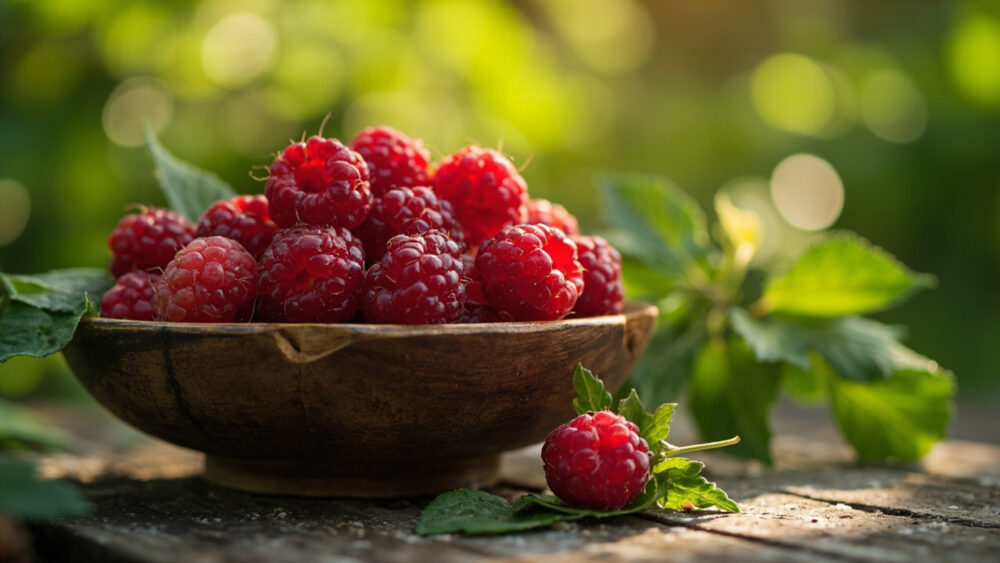
A ripe, freezer-ready raspberry is plump, deep in color for its variety, and comes off the stem clean with no white core left behind. If the core stayed on the plant, you picked it right.
Get the berry right at this stage and every step after it gets easier, which is the whole point of the card below.
Raspberries at a Glance
- Best freezing method: flash freeze on a single layer tray for two to three hours, then transfer to a sealed bag.
- Wash first: yes, a quick rinse or dunk, never a long soak.
- Dry before freezing: fifteen to twenty minutes on a towel, this is the step most people skip.
- Blanching or curing needed: none, raspberries go straight from clean and dry to the freezer.
- Fridge life, unwashed: three to five days in a shallow, uncovered or loosely covered container.
- Freezer life: eight to twelve months at 0°F (-18°C) or below, best texture in the first six months.
- Signs to toss instead of freeze: any fuzzy mold, dull or leaky berries, or a pool of juice in the container.
Freeze them dry, freeze them separated, and start with a berry that was already good. That one sequence is the whole difference between a bag of berries and a bag of red glue.