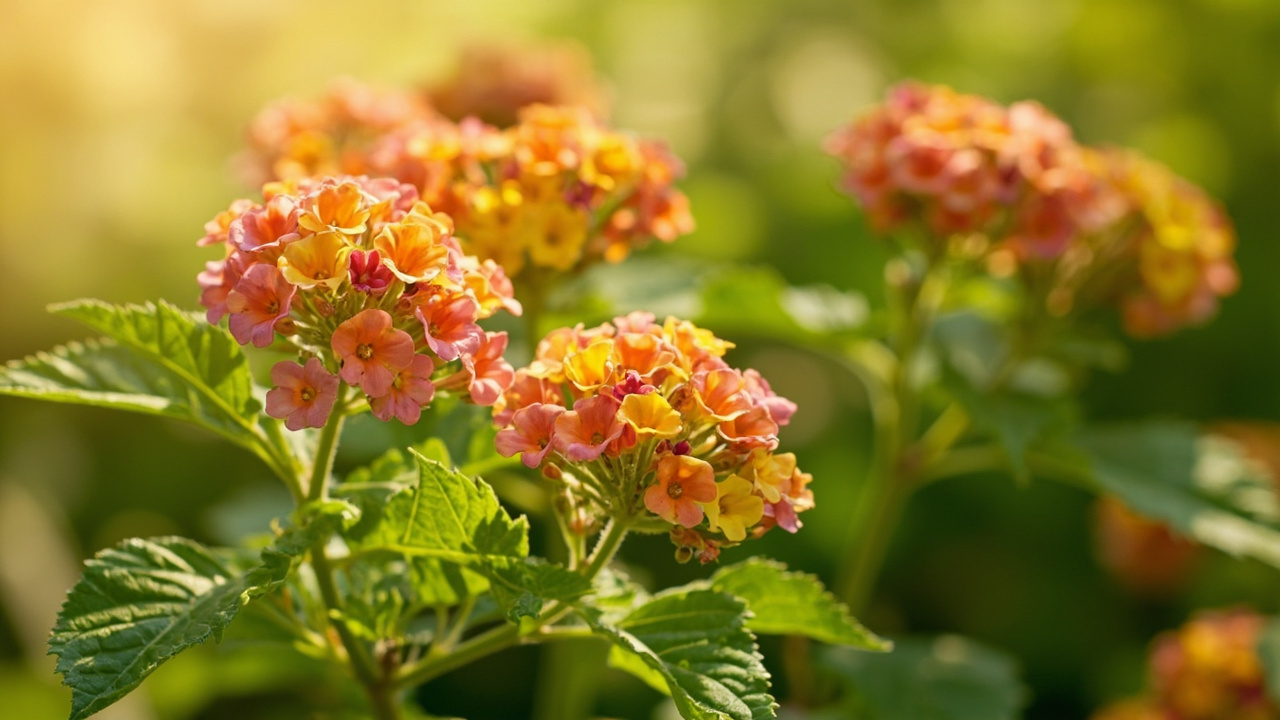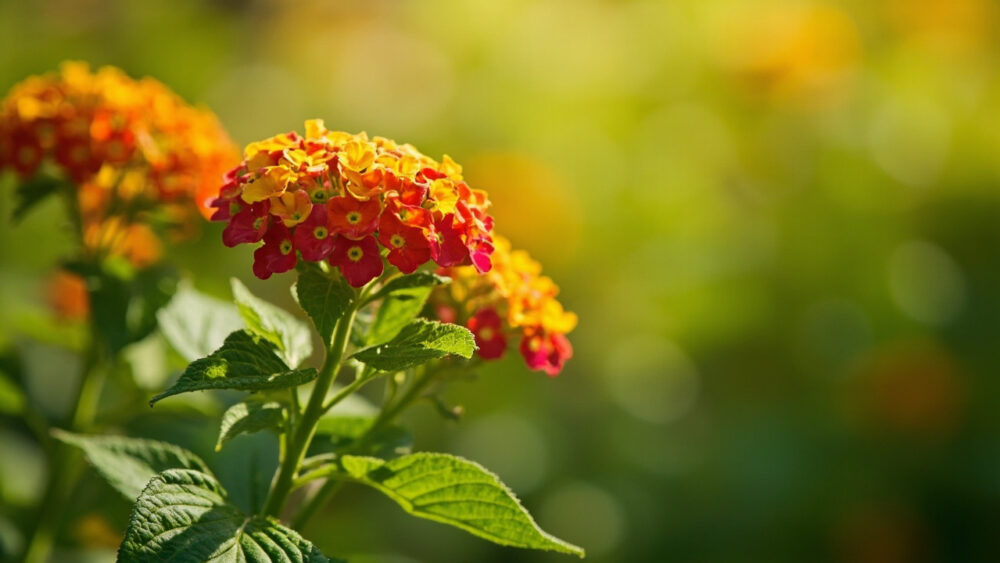
Lantana blooms from late spring through the first hard frost, which for most of the country means a solid five to seven months of nearly nonstop color, from around the time nights stay above 50°F until temperatures drop into the 30s. In the warmest zones it barely stops at all. That is the direct answer to when do lantana bloom, but it is not the whole story.
Where you garden changes that window by months, not weeks, and the container you planted it in changes it again. There is also one very common mistake that makes a lantana sit there green and flowerless all summer while the neighbor’s plant is covered in blooms, and it has nothing to do with fertilizer.
Stick around for the part on getting more flowers out of the same plant, because that is usually the real question underneath “when do lantana bloom.” And save-able quick-reference card with the whole thing at a glance is waiting at the bottom.
The Real Bloom Window, Zone by Zone
In zones 9 through 11, lantana often behaves as a woody perennial and can bloom almost year-round, slowing only during the shortest, coolest weeks of winter. In zones 7 and 8 it usually dies back to the ground in winter but returns and blooms from late spring into fall. In zones 3 through 6, it is grown as an annual, planted after your last frost and blooming steadily until the first fall frost kills it.
The plant itself does not care about your calendar date, it cares about soil and air temperature. Once nights stay reliably above 50°F and days are warm, flower buds start forming within a few weeks.
Your actual bloom season depends less on the month and more on how long your warm stretch runs.
What Actually Controls When Lantana Flowers
Three things drive bloom timing more than anything else: heat, sun, and light exposure length. Lantana wants six or more hours of direct sun a day. Give it less than that, say a spot that gets dappled shade most of the afternoon, and it will grow plenty of leaf but flower thin and sparse.
Heat matters almost as much. Lantana is genuinely a hot-weather bloomer, and it often blooms harder in the sweaty peak of summer than in a cool, mild spring, which surprises people expecting a spring flower show like their other bedding plants.
If your plant looks fine but flowerless in a cool spring, that is not a problem, that is just the plant waiting for real heat.
How to Get More Blooms, and Longer-Lasting Ones
If you assumed more fertilizer means more flowers, that guess backfires with lantana. Rich soil and heavy nitrogen feeding push out leafy growth at the expense of blooms. Lantana actually flowers best in lean to average soil with minimal feeding, maybe one light dose of a balanced fertilizer at planting time and nothing else all season.
What actually increases bloom count is sun exposure, consistent watering during establishment, and letting the soil dry out somewhat between waterings once it is established. Lantana is drought-tolerant and part of what makes it bloom so reliably is that it is not pampered.
- Full sun, six to eight hours minimum
- Well-drained soil, lantana hates sitting in wet feet
- Light, infrequent fertilizing, never heavy nitrogen
- Regular deadheading or trimming of spent flower clusters
- A light pinch-back of leggy stems in early summer to force branching
Get those five right and you are looking at a plant that is more flower than foliage most of the summer.
Why Your Lantana Might Not Be Blooming
The single most common cause of a non-blooming lantana is insufficient sun, full stop. Even four or five hours a day of direct light is often not enough for a heavy bloom set. Move it, or accept a lighter show.
The second most common cause is over-fertilizing, especially with a high-nitrogen lawn-type feed that drifted onto a nearby bed. Third is simple timing, a plant put in the ground during a cool, wet spring may just need more heat before it commits to flowering.
A plant that looks otherwise healthy, green, growing, no yellowing or spots, but just will not flower, almost always traces back to one of those three causes rather than disease or pests.
Fix the light or the feeding and blooms typically show up within two to four weeks.
Deadheading and Aftercare That Stretch the Show
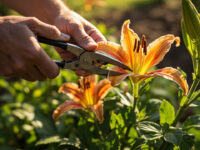
Lantana does not strictly require deadheading the way roses or dahlias do, but removing spent flower clusters keeps the plant tidier and redirects energy into new buds rather than seed production. Snip or pinch off browned clusters every week or two through the season.
In late summer, a light trim of about a third of the plant’s overall size can trigger a fresh flush of blooms that carries you right up to frost. This works especially well on lantana that has gotten sprawling and thin in the middle.
If you’re in a zone where it overwinters, cut it back hard, to about 6 to 12 inches, after frost kills the top growth, and it will bloom again from the base once things warm up.
That one late-season trim is the cheapest trick in the whole lantana playbook for stretching bloom time.
Lantana: Quick Reference
- Bloom window: late spring through first hard frost, five to seven months in most zones, nearly year-round in zones 9 through 11
- Trigger: reliable nights above 50°F and strong direct sun, not a specific calendar date
- Sun needs: six to eight hours of direct sun daily for a full bloom show
- Feeding: light and infrequent, heavy nitrogen fertilizer reduces flowering
- Most common no-bloom cause: insufficient sun, followed by over-fertilizing
- Extend the show: deadhead spent clusters regularly and give a light late-summer trim
Get the sun and the light feeding right, and lantana will do the rest of the work itself.
It is one of the most forgiving bloomers you can plant, provided you resist the urge to baby it.