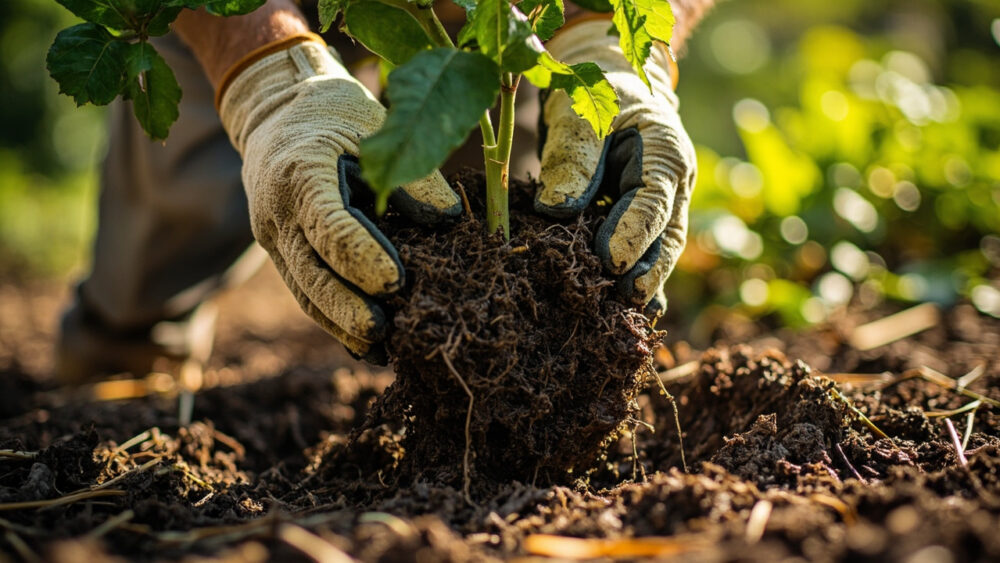
The best time to plant crape myrtle is in fall, about six to eight weeks before your first hard freeze, or in early spring after the soil has warmed and all frost danger has passed. Fall wins in most of the South because the roots settle in over a mild winter and the plant hits the ground running come spring. Farther north, spring planting is safer since a young crape myrtle needs time to establish before facing its first real cold test.
That is the short version, but the window has edges that trip up a lot of people. There is one planting mistake tied to timing that kills more first-year crape myrtles than any pest or disease ever will. There is also a sign gardeners misread constantly, mistaking a plant’s normal winter dieback for a bad planting job when it is neither.
And there is a question you are probably about to ask next: does it matter if you plant during a heat wave versus a mild stretch. It does, and I will tell you exactly why. Stick around, because the save-able Crape Myrtle at a Glance card at the bottom has every number you need on one screen, worth screenshotting before you head out to the yard.
The Real Planting Window, Not the Calendar One
Crape myrtle is dormant-hardy but heat-loving once established, which is why the calendar matters less than soil temperature and frost timing. In the South (zones 7b through 9), fall planting from October through November is ideal, since winters are mild enough that roots keep growing even while the top looks asleep. In cooler zones, 6 and lower, spring planting after your last frost date is the safer call, giving the plant a full growing season to anchor before winter arrives.
Soil temperature is the number that actually governs root growth, not air temperature. You want soil at 60°F or warmer at a 4 inch depth for spring planting, and still holding above 50°F for fall planting so roots have weeks to work before the ground goes cold and hard.
Air temperature fools people constantly, so check the soil, not just the forecast.
Reading Your Own Yard’s Window
Regional averages are a starting point, not your answer. Your yard has its own microclimate, and the plant will tell you when it is ready if you know where to look.
Squeeze a handful of soil from where you plan to dig. If it forms a slick, dense ball that holds its shape, it is still too wet and cold, and roots set into it will sit stagnant instead of spreading. If it crumbles apart loosely after squeezing, you are close.
Check a local nursery’s crape myrtle stock too. When garden centers start selling actively growing plants with leaves already pushing out, that is a decent real-world signal that soil in your area has turned the corner, since growers watch these same soil cues you are watching.
Your own soil beats any regional average, but there is still a wrong way to act on good timing.
The Mistake That Costs a Whole Season
If you assumed the biggest risk is planting too late in fall and running out of time before frost, that is a reasonable guess, but it is not the mistake that actually wrecks the most crape myrtles.
The real damage comes from planting into summer heat with inadequate follow-up watering. A crape myrtle planted in July or August during a hot stretch is fighting to establish roots while its leaves are transpiring hard in 90-plus degree heat. Without deep, consistent watering for those first several weeks, the root ball dries out faster than roots can expand into surrounding soil, and the plant stalls or dies even though it looked perfectly healthy at planting.
Planting too early in spring has its own cost too. A late frost after an early planting will not usually kill an established crape myrtle, since mature wood tolerates surprising cold, but it can blacken new growth on a freshly planted one and set it back a full season of growth it never quite recovers.
Timing failures rarely kill the plant outright, they just quietly cost you a year, which is its own kind of expensive.
The Winter Dieback Everyone Misreads
Here is the sign that panics new crape myrtle owners every single year. A crape myrtle planted correctly in fall will often look completely dead by midwinter, bare branches, no green anywhere, sometimes even a little bark discoloration.
That is not a planting failure. That is a deciduous shrub doing exactly what it is supposed to do.
Crape myrtle drops its leaves and goes fully dormant every winter regardless of when you planted it, and a first-year plant often looks more skeletal than an established one simply because it has less stored energy. Scratch a stem with your fingernail in late winter. Green underneath the bark means it is alive and waiting. Brown and dry all the way through on multiple stems is the actual bad sign.
Give it until several weeks after your last frost before writing off a bare crape myrtle.
Prep Before the Window Even Opens
Do the site work before you’re standing there with a root ball and a shovel, since good prep is what lets you plant fast once conditions are right. Pick a spot with 6 or more hours of direct sun; shaded crape myrtles grow leggy and bloom poorly no matter how well timed the planting was.
Dig your test hole and check drainage a week or two ahead. Fill it with water and see how long it takes to drain. Standing water after several hours means you need a raised planting mound or a different spot, since crape myrtle roots rot in soggy ground.
Space plants 6 to 20 feet apart depending on the mature size of the variety, dwarf types needing far less room than the tree-form varieties that reach 20 feet or more. Dig the hole itself only as deep as the root ball and two to three times as wide, since a too-deep hole invites the trunk to settle low and rot at the base.
With the site ready, the actual planting day takes twenty minutes, and that is where the last few details matter.
Depth, Backfill, and the First Watering
Set the root ball so the top of it sits slightly above the surrounding soil grade, never below. Crape myrtles planted too deep develop girdling roots and rot at the crown over the following years, a slow problem that is hard to fix later.
Backfill with the native soil you dug out rather than heavily amended soil, which can create a bathtub effect that holds water against the roots.
Water deeply right after planting, enough to settle the soil and eliminate air pockets, then keep the root zone consistently moist, not soggy, for the next 6 to 8 weeks while roots establish. A 2 to 3 inch layer of mulch, kept a few inches back from the trunk itself, holds that moisture and buffers soil temperature swings.
This is where fall planting has its quiet advantage, since rain does more of that watering work for you than you would get in a hot spring or summer stretch.
Get through that establishment window and the maintenance from here on is genuinely easy.
Zone and Region Notes Worth Knowing
In zones 8 and 9, roughly the Deep South and Gulf Coast, fall planting is close to a sure thing and honestly the better default. Winters rarely get cold enough to threaten a young root system.
In zone 7, fall still works well most years, but pick a variety rated hardy to your specific zone, since borderline cold snaps do more damage to marginally hardy cultivars.
In zones 6 and colder, spring planting is the safer, more forgiving choice, and mulching heavily over the first winter or two gives young roots extra insurance against a hard freeze reaching them before they’ve spread out.
Wherever you garden, the same soil and frost cues from earlier apply, regional averages just shift the calendar window they land in.
Crape Myrtle at a Glance
- When to plant: fall, six to eight weeks before first hard freeze, in zones 7 through 9, or early spring after last frost in zones 6 and colder.
- Soil temperature target: at least 60°F at 4 inches deep for spring planting, still above 50°F for fall planting.
- Sun needs: 6 or more hours of direct sun daily, less than that means poor blooms and leggy growth.
- Spacing: 6 to 20 feet apart depending on mature size of the variety, dwarf types on the low end, tree forms on the high end.
- Planting depth: root ball top slightly above grade, never below, to avoid crown rot.
- Watering after planting: deep water at planting, then consistent moisture for 6 to 8 weeks while roots establish.
- Biggest timing mistake: planting into peak summer heat without a strict watering follow-through for the first several weeks.
Get the soil temperature and drainage right before you dig, and the actual calendar date matters far less than people think.
A bare, leafless crape myrtle in January is not a corpse, it is a plant doing its job.