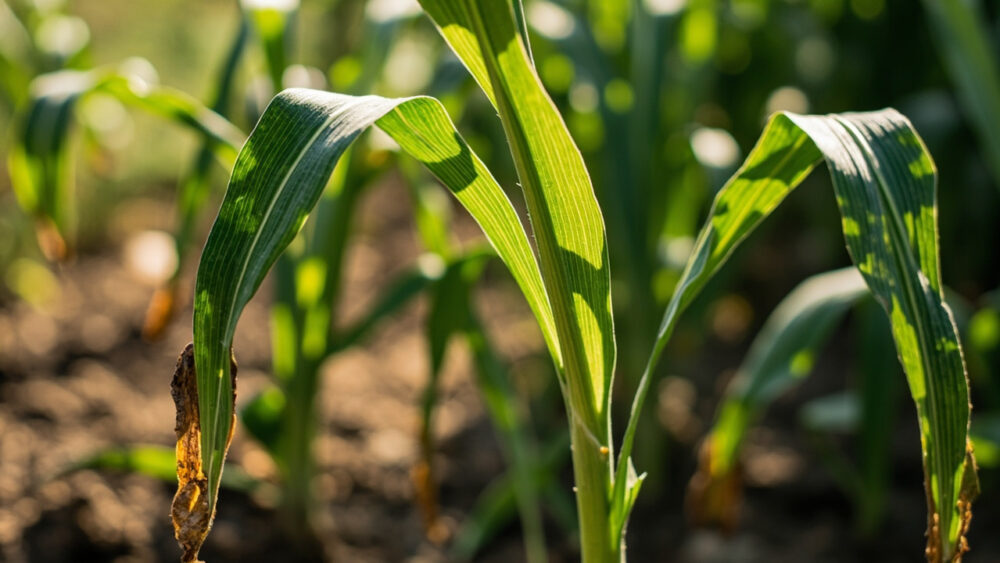
The most common reason a corn plant (Dracaena fragrans) droops is inconsistent watering, usually too much. Soggy soil suffocates the roots, the roots stop working, and the leaves lose their turgor and flop over as if the plant were thirsty. The fix is to check the soil before you do anything else, then correct the watering habit before you touch fertilizer, light, or anything else.
Here is the twist most people miss: drooping corn plant leaves almost always get blamed on underwatering first, and that guess is wrong more often than it is right. Overwatering and underwatering produce nearly identical droop, which is exactly why so many of these plants get watered right into root rot by an owner trying to “fix” the sagging.
There is one detail on the plant, and one simple soil check, that tells you which of the several real causes you are actually dealing with. Stick with this, and by the bottom you will have a two-minute diagnosis checklist you can run right now, standing next to the plant, saved for next time it happens.
Causes of a Drooping Corn Plant, Most to Least Likely
1. Overwatering and Root Rot
Confirm it: stick a finger 2 inches into the soil. If it feels wet or the pot feels heavy and the soil hasn’t dried out in over a week, this is your cause. Slide the plant out of the pot if you can. Mushy, brown, or foul-smelling roots confirm rot; firm white or tan roots mean you caught it in time.
Fix it: stop watering until the top 2 to 3 inches of soil are dry. If roots are rotted, trim away the black or mushy sections with clean shears, repot into fresh, fast-draining potting mix, and use a pot with a drainage hole. Water only when the soil is dry at 2 inches down from here forward.
If the soil checked dry instead, the story changes completely.
2. Underwatering
Confirm it: the soil is dry a couple inches down, the pot feels light, and the leaves look thin, curled, or crisp at the tips rather than just limp.
Fix it: water thoroughly until liquid runs from the drainage holes, then let the excess drain fully. Corn plants like to dry out somewhat between waterings, but “somewhat” means the top couple inches, not the entire root ball turning to dust for weeks. Get on a check-every-7-to-10-days rhythm rather than a fixed schedule.
Watering habits explain most droop, but the light and temperature around the plant matter just as much.
3. Temperature Stress or Cold Draft
Confirm it: the droop showed up suddenly, within a day or two, and the plant sits near an exterior door, a drafty window, an air conditioning vent, or a cold windowsill. Corn plants sulk hard below about 50°F and dislike sudden swings.
Fix it: move it at least 3 feet from cold glass, drafts, and heating or cooling vents. Keep it somewhere that stays consistently between 65 and 80°F. Once the plant is back in a stable spot, new growth should firm up within a couple weeks even if the damaged leaves themselves don’t recover.
If nothing about the environment changed recently, check what came out of the tap.
4. Fluoride or Salt Buildup in the Water
Confirm it: look for brown, dry patches specifically at the leaf tips and margins, sometimes with a slightly yellow halo, on a plant that’s otherwise droopy but not wilted at the base. This shows up gradually over months, not overnight, and is common with softened or heavily fluoridated tap water.
Fix it: switch to distilled water, rainwater, or tap water left out overnight to off-gas. Flush the pot with a heavy watering that drains freely to push accumulated salts out of the soil, and repeat that flush every couple months going forward.
Sometimes the water is fine and the problem is actually too much light, not too little.
5. Too Much Direct Sun
Confirm it: the plant sits in a south or west window with direct sun hitting the leaves for several hours, and you’ll see bleached, papery, or scorched patches on the sun-facing side along with the droop.
Fix it: move it back from the glass or into bright, indirect light, the kind where you can read comfortably without a shadow being sharp-edged. Corn plants are understory plants by nature and want filtered light, not a full blast of direct sun.
One more cause is easy to overlook because it takes the longest to show up.
6. Rootbound or Exhausted Soil
Confirm it: it’s been 2 or more years since repotting, roots are visible circling at the drainage holes or pushing the plant up out of the pot, and watering seems to run straight through without the soil holding moisture.
Fix it: repot in spring or early summer into a pot just 1 to 2 inches larger in diameter, using fresh well-draining potting mix. Going too much bigger invites the overwatering problem right back.
Once you have a real suspect, the next step is confirming it against the others.
How to Tell the Causes Apart
Where the droop starts matters more than most people realize. Overwatering and rot typically show up on lower, older leaves first, with yellowing at the base of the plant. Underwatering and sun scorch tend to hit whichever leaves face the stress directly, often newer growth or the sun-facing side.
Speed is another tell. Cold drafts and transplant shock cause droop within a day or two. Overwatering, salt buildup, and rootbound stress build over weeks or months.
Texture closes the gap. Overwatered leaves feel soft and droop from the base of the stem. Underwatered leaves often curl lengthwise and feel dry or thin before they droop.
Once you know which pattern you’re looking at, the next honest question is whether the plant is going to make it.
Will It Recover?
Underwatering, temperature stress, and light problems have the best odds. Correct the condition and you’ll usually see improvement in new growth within 1 to 3 weeks, though already-damaged leaves stay damaged and won’t reverse.
Early-stage root rot recovers well if you catch it while roots are still mostly firm and you repot promptly into dry, fresh mix. Give it 3 to 6 weeks to show new growth.
Advanced root rot is the honest bad news. If most of the root mass is mushy and brown, or the main stem has gone soft, the plant is unlikely to pull through, and it’s reasonable to cut your losses and start a new plant from a healthy cutting if one is available.
Salt and fluoride damage won’t undo the browned tips already on the plant, but it stops progressing once you switch water sources.
Knowing the plant will live is only half the win, the goal is not doing this again.
How to Keep It From Happening Again
Water on a check, not a calendar. Stick a finger 2 inches into the soil before every watering and only water when it’s dry at that depth. That single habit prevents the majority of corn plant droop.
Use a pot with drainage holes, always. A pot without one turns every watering into a gamble.
Keep it in bright, indirect light, away from cold glass, heating vents, and direct sun, and use distilled or rested tap water if you’ve had tip burn before.
Repot every 2 to 3 years in spring, sizing up gradually rather than jumping to a much bigger pot.
With the habit fixed, you’re ready for the fast version, the checklist you came here for.
Diagnosis Checklist
- Check soil moisture 2 inches down: if wet, suspect overwatering or root rot and stop watering; if dry, suspect underwatering and water thoroughly.
- If soil was wet, slide the plant from its pot and check the roots: mushy and brown means rot, trim and repot. Firm and white or tan means just ease off water.
- Note when the droop appeared: sudden, within a day or two, points to cold draft or shock. Gradual over weeks points to watering, salt buildup, or rootbound soil.
- Note which leaves are affected: lower and older leaves point to overwatering. Sun-facing or newer leaves point to light or heat stress.
- Check leaf tips and margins for brown, dry patches with no wilting at the base: this points to fluoride or salt buildup in the water.
- Check the plant’s distance from windows and vents: within 2 to 3 feet of cold glass or an air vent points to temperature stress.
- Check the pot for roots circling the drainage holes or pushing the plant upward: this points to a rootbound plant needing a fresh pot.
- Match your findings to the fix above and apply only that one fix, then wait 1 to 2 weeks before changing anything else.
Most drooping corn plants are telling you about water, not asking for more attention overall.
Fix the one thing the checklist points to, leave everything else alone, and give it time to show you it worked.