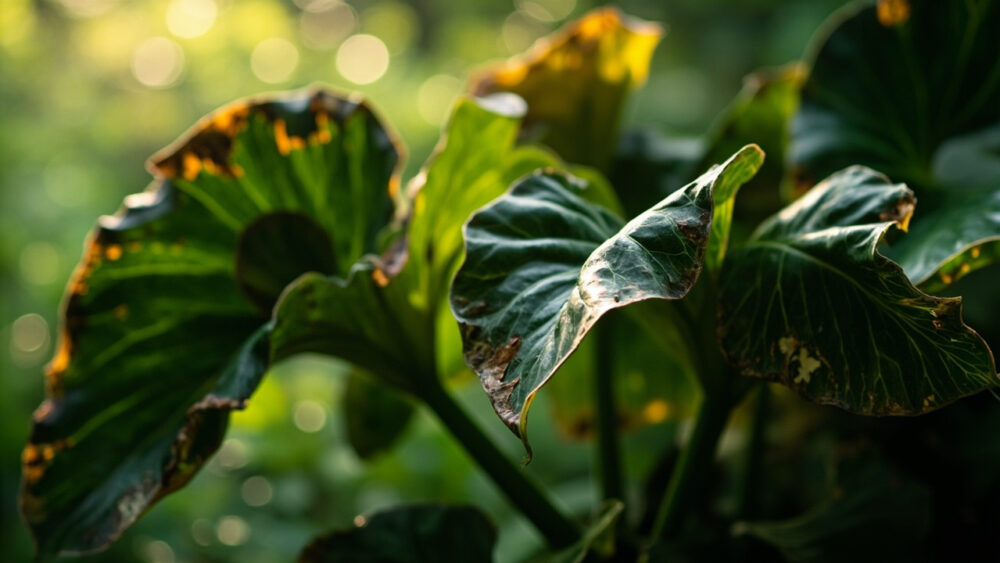
Alocasia leaves curling most often means the roots are thirsty or the air around the plant is too dry, and the fix is usually as simple as adjusting your watering rhythm or boosting humidity. But that is not always the answer, and guessing wrong wastes time the leaf does not have.
Most people blame underwatering the second they see curling, and sometimes they are right. But overwatered alocasias curl too, root damage curls leaves weeks after the actual problem happened, and cold drafts curl leaves that look perfectly healthy otherwise. The plant does not tell you the cause in plain language. It tells you through where the curling starts, which leaves are affected, and what the soil and roots feel like right now.
Stick with this and you will know exactly which cause you are dealing with, whether the leaf in question is coming back or not, and how to stop this from becoming a monthly event. The full diagnosis checklist you can run in two minutes is at the bottom, save it before you put the phone down.
Causes of Alocasia Leaves Curling, Most to Least Likely
1. Underwatering or drought stress
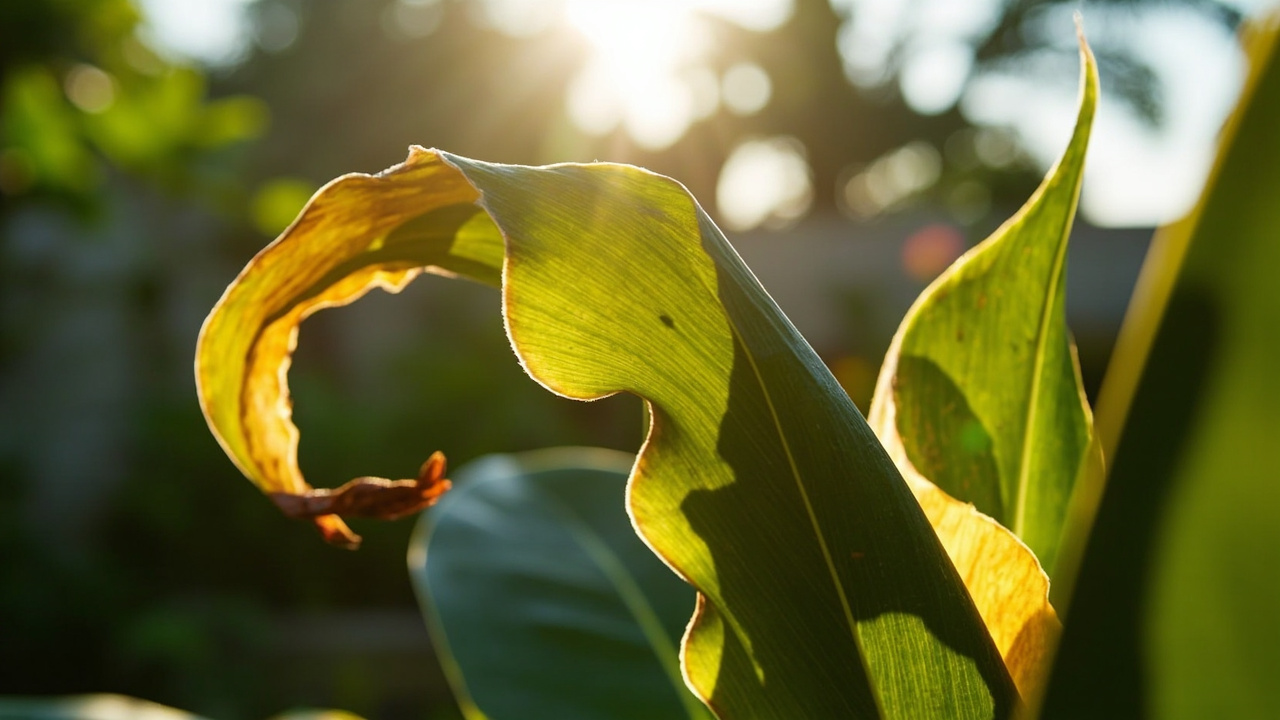
Confirm it: sink a finger two inches into the soil. If it is bone dry and the pot feels noticeably light when you lift it, this is likely your cause. Leaves usually curl inward lengthwise, like a taco, starting with the largest or oldest leaves.
Fix it: water thoroughly until liquid runs from the drainage holes, then let the top inch or two dry out before the next watering. Alocasias want consistent moisture, not a swamp and not a desert.
That sounds like the obvious answer, but the opposite problem produces a nearly identical curl.
2. Overwatering and root rot
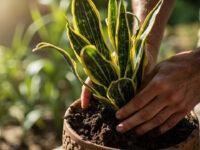
If you assumed a curling leaf always means the plant is thirsty, that guess kills more alocasias than drought ever does. Confirm it: check the soil. If it has been wet for days, smells sour or swampy, or the pot never seems to dry, slide the plant out and look at the roots. Healthy roots are firm and pale tan to white. Rotten roots are brown, mushy, and slip apart when you pinch them.
Fix it: trim away any soft, dark roots with clean scissors, repot into fresh, fast-draining aroid mix, and hold off watering for several days to let cut ends callus. A pot with real drainage holes is not optional here.
The next cause hides in plain sight because it looks like both of the above.
3. Low humidity or dry indoor air
Confirm it: if your home sits below roughly 40 percent humidity, especially with heating or AC running, and the soil moisture actually looks fine, this is a strong suspect. Curling shows up on newer growth first, often with crisp brown edges creeping in alongside the curl.
Fix it: group plants together, run a humidifier nearby, or set the pot on a pebble tray with water below the pot’s base. Misting helps briefly but does not move the needle much on its own.
Humidity problems and heat stress travel together more often than not.
4. Heat stress or direct sun scorch
Confirm it: feel the leaf and the air right around it. If it is warm to the touch, sits near a sunny window, a heat vent, or a radiator, and the curling leaf also shows pale or bleached patches, heat is the driver.
Fix it: move the plant a few feet back from direct sun or the heat source. Alocasias want bright, indirect light, not a front-row seat in a hot window.
Cold does the same thing from the opposite direction.
5. Cold drafts or temperature shock
Confirm it: think about recent history. A cracked window, an AC vent blowing directly on the plant, or a cold car ride from the nursery can all do this. Curling from cold often comes with a slightly limp, deflated look rather than a crisp fold, and it tends to hit whichever leaf faced the draft.
Fix it: relocate away from drafts and keep the room above roughly 60°F. Alocasias are tropical and do not forgive sustained chill.
If none of those match, the cause is smaller but just as real.
6. Nutrient deficiency or old, depleted soil
Confirm it: check how long it has been since repotting or fertilizing. If it has been over a year, and the curling comes with pale green or yellowing on older leaves, the soil may simply be spent.
Fix it: feed with a balanced liquid houseplant fertilizer at half strength during active growth, and plan to refresh the potting mix annually.
7. Pests, especially spider mites
Confirm it: flip the leaf over and check the underside and stem joints with a bright light, maybe a magnifier. Fine webbing, tiny moving specks, or a stippled, dusty look on the leaf surface point to spider mites or thrips.
Fix it: isolate the plant, rinse leaves under running water, and treat with insecticidal soap or a horticultural oil, following the product label exactly and repeating on the schedule it specifies.
With seven possible causes, the real skill is telling them apart fast, and that is next.
How to Tell the Causes Apart
Location on the plant is your best clue. New growth curling first usually points to humidity, heat, or pests, all of which stress the plant’s most tender tissue. Older, larger leaves curling first usually points to water stress, either too little or too much, since those leaves are the first ones sacrificed when the roots are struggling.
Texture matters too. A crisp, tight, taco-like fold suggests drought or heat. A soft, limp curl with no crispness suggests overwatering, root rot, or cold shock.
Speed tells you something as well. Curling that appeared in a day or two often traces to light, heat, or a draft. Curling that developed slowly over a week or more usually traces to soil moisture or nutrients.
Once you know which cause fits, the next question is whether the leaf itself is salvageable.
Will It Recover?
A curled leaf almost never uncurls back to normal. The honest prognosis is about whether the plant recovers, not that specific leaf.
For underwatering, humidity, heat, and drafts, the fix usually stops new curling within one to two weeks, and fresh growth comes in normal. The already-curled leaf stays as it is but you can leave it for photosynthesis or trim it once new leaves outnumber it.
For root rot, recovery depends on how much root mass is left after trimming. Mild rot caught early bounces back in three to six weeks. Severe rot, where most roots are gone, is a real gamble, and it is fair to cut your losses if there is little healthy root left to work with.
For pests, expect a few weeks of repeated treatment before you see clean new growth, and any severely damaged leaves are worth removing so the plant is not feeding tissue it cannot save.
Recovery is realistic in most cases, but prevention is what keeps you from doing this again next month.
How to Keep It From Happening Again
Water by feel, not by schedule. Check the top two inches of soil before every watering and only water when it is dry there, not by the calendar.
Keep the pot’s drainage real, not decorative, and use a mix that includes bark, perlite, or coarse material so water moves through instead of sitting.
Aim for humidity in the 50 to 60 percent range where you can manage it, and keep the plant a few feet from heat vents, radiators, and drafty windows year round.
Check leaf undersides monthly, since catching pests early is far easier than treating an infestation.
Run through the checklist below any time curling shows up again, it takes less time than searching for the answer.
Diagnosis Checklist
- Check soil moisture two inches down: if bone dry, suspect underwatering first.
- If soil is wet or smells sour, slip the plant out and inspect the roots for brown, mushy sections.
- If roots and soil moisture both look normal, check the room’s humidity and note if new growth is the leaf affected.
- Feel the air and light around the plant: if warm or in direct sun, suspect heat or scorch.
- Think back on recent drafts, open windows, or cold transport: if present, suspect temperature shock.
- Flip curled leaves over and check for webbing, stippling, or tiny moving pests under bright light.
- If none of the above fit, check the date of last repotting or feeding: soil older than a year may need nutrients.
- Match your findings to the closest cause above, apply that fix, and watch new growth over the next two weeks.
Most curling alocasia leaves trace back to something fixable within a week or two of attention.
Get the cause right, adjust it, and the next leaf that unfurls will tell you whether you nailed it.