Growing pineapples from seed means saving the small brown seeds from a ripe fruit, drying them for a few days, then sowing them a quarter inch deep in a well-draining mix kept at 70 to 80°F, and settling in for a long haul: two to three years before you see fruit, sometimes longer. That timeline surprises almost everyone who starts this project, and it is the single biggest reason people quit halfway through.
Here is what nobody mentions when you get excited about growing one from the fruit on your counter: most grocery-store pineapples are seedless or nearly so, so you will need to hunt for a fruit that actually has viable seed, and even then germination is a gamble. There is also a mistake almost everyone makes at the sowing stage that has nothing to do with soil or water. And there is an honest answer waiting for you about whether this plant will actually fruit indoors in a pot, which is probably the real question behind your click.
Stick with me through the sections below and you will get all of it: when to start, exactly how to sow, what normal germination looks like versus a dead batch, and how to carry a pineapple through to harvest. Save the Pineapples at a Glance card at the very bottom for the numbers you will want again in six months.
When to Start Pineapple Seeds
Pineapples are tropical and do not care about your frost dates the way tomatoes or peppers do. Start seeds any time indoors since you are growing them under controlled warmth regardless of season, though late winter to early spring gives the young plant a full stretch of long, bright days to grow into before its first winter.
Direct sowing outdoors only works if you garden in USDA zone 10 or 11, or somewhere that never sees temperatures below 60°F. Everyone else grows this as a container plant, full stop, and that is fine. Pineapples handle pot life well their entire lives.
Next comes the part where most people lose seeds before they ever sprout.
Sowing Pineapple Seeds Step by Step
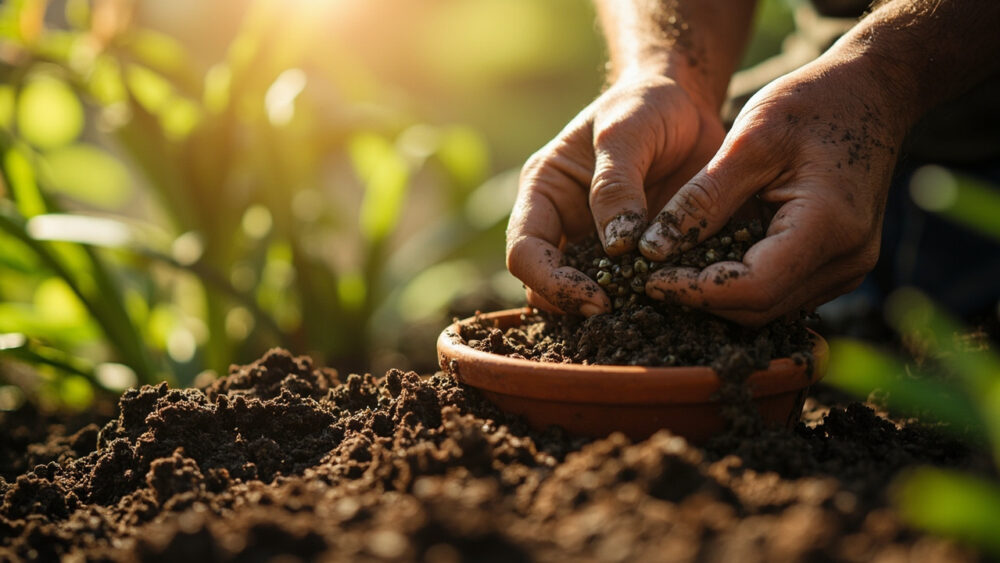
The seeds themselves are small, flat, and dark brown, tucked near the outer edge of the fruit’s flesh just under the skin. Rinse off the pulp and let them air dry on a paper towel for two to three days before sowing. Skipping the dry-down is the mistake that quietly kills most attempts, because seeds sown still wet with fruit sugar clinging to them rot in the mix before they ever germinate.
Steps
- Medium: a light, fast-draining mix, half standard potting soil and half perlite or coarse sand.
- Depth: about a quarter inch, just barely covered, pressed rather than buried.
- Container: shallow trays or small 3 to 4 inch pots with drainage holes, since seeds will be transplanted later anyway.
- Temperature: 70 to 80°F consistently, which usually means a seedling heat mat if your house runs cooler.
- Light: bright, indirect light rather than direct sun on the seed tray, moved to fuller sun once seedlings are up.
- Moisture: keep the surface consistently damp, never soggy, with a humidity dome or loose plastic wrap to hold moisture while you wait.
Get the temperature right and the rest is mostly patience.
Germination: What’s Normal and When to Worry
If you assumed pineapple seeds pop in a week like lettuce, that guess is going to have you convinced your seeds are dead when they are not. Real germination takes anywhere from three to eight weeks, sometimes longer in cooler rooms, and it happens unevenly. One seed sprouts on week three, another on week seven, from the exact same tray.
What you are watching for is a thin, pale-green blade pushing straight up, looking more like a grass shoot than anything fruit-like at first. That is normal and correct.
Worry only if the mix has stayed wet and cold for weeks with zero movement, or if seeds have visibly softened, darkened, and started smelling sour, which means rot, not dormancy. At that point that batch is done and it is worth starting fresh rather than waiting longer.
Also worth knowing honestly: pineapple seed germination rates run low even when you do everything right, so sow more seeds than you think you need.
Once you have true seedlings a few inches tall, the next decision point is moving them up.
Hardening Off and Transplanting Seedlings
Pineapple seedlings grown indoors under grow lights or on a windowsill need a gradual introduction to real outdoor sun and moving air before they live outside full time, the same as any seedling. Start with an hour or two of dappled shade outdoors, adding an hour a day over one to two weeks, watching for bleached or scorched leaf tips as your sign to back off and slow down.
Transplant once seedlings have three or four true leaves and roots have filled their starter pot, usually two to three months after sowing. Move into a 6 to 8 inch pot with the same fast-draining mix, setting the seedling at the same depth it was growing before.
Pineapples resent being buried deeper than they were, and a stem sitting in constantly wet soil is an invitation to crown rot.
Get them settled into that first real pot and the long middle stretch of growing begins.
Care Through the Season
A pineapple wants heat, humidity, and bright light, ideally six or more hours of sun, with some tolerance for partial shade in the hottest climates. Water when the top inch or two of soil has dried out, then soak thoroughly and let it drain, never letting the pot sit in standing water.
Feed lightly every four to six weeks during active growth with a balanced fertilizer at half strength, easing off in winter when growth slows. Pineapples are bromeliads, so they pull some nutrients through the leaf cup at the base too, and a light foliar feed there does help.
Repot up a size every year or so as the rosette of leaves widens, moving into a pot with real drainage each time. Indoors, a sunny south-facing window plus supplemental grow light in winter keeps growth steady instead of stalled.
Growth here is slow and steady, which is exactly what sets up the next long wait.
When Does a Seed-Grown Pineapple Actually Fruit
Here is the honest answer to the question sitting underneath your click. A pineapple grown from seed typically needs two to three years of vegetative growth, sometimes longer indoors, before it is mature enough to flower at all, and only after flowering does the fruit itself develop over another five to six months. Grocery-bought crowns or pups from an existing plant fruit faster than true seed, which is why most home growers who want fruit skip seed-growing and root a top instead. Seed-grown plants are slower across the board.
The bloom sign to watch for is a small, tight red-purple cone rising from the center of the leaf rosette, which opens into blue-violet flowers before swelling into the familiar fruit shape. Some growers force blooming in a mature plant by sealing it in a bag with a ripe apple for a few days, since the ethylene gas the apple gives off can trigger flowering, though this only works once the plant has enough size and stored energy to support it.
If your plant is under two years old and still just a rosette of leaves, it is not behind, it is exactly on schedule.
Pineapples at a Glance
- When to plant: sow seeds indoors any time of year, keeping the mix at 70 to 80°F, since pineapples are grown as tropical container plants regardless of season.
- Sowing depth: about a quarter inch deep in a fast-draining half potting soil, half perlite or sand mix.
- Germination time: three to eight weeks, uneven and slow, with low overall success rates even under good conditions.
- Light and heat: bright indirect light while germinating, then six or more hours of full sun once established, always warm.
- Watering: let the top one to two inches of soil dry before watering deeply, never let pots sit in standing water.
- Time to fruit: roughly two to three years of growth before flowering, then five to six more months for the fruit to mature.
- Bloom sign: a tight red-purple cone rising from the center of the leaf rosette, opening into blue-violet flowers.
Pineapple from seed is a genuinely slow project, not a shortcut to fruit.
Give it heat, light, and patience measured in years, and it will get there on its own schedule.