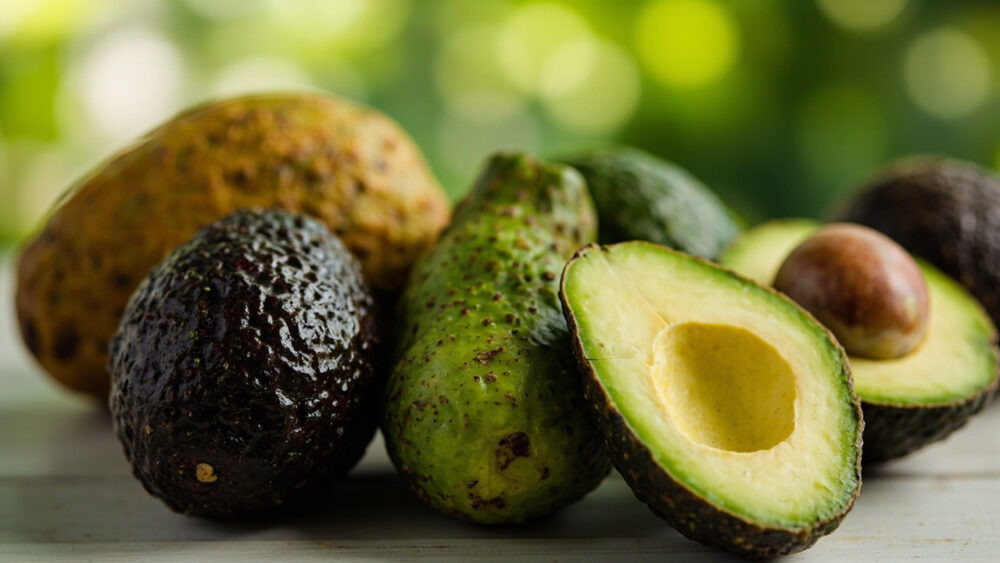
Here is the fastest way to sort out the different types of avocados: the skin tells you almost everything. Pebbly, thick, near-black skin at ripeness means you are looking at a Guatemalan type or a Guatemalan-Mexican hybrid like Hass. Smooth, thin, glossy skin that stays green means you are looking at a West Indian or Mexican type, and those behave completely differently in the yard.
Most people default to Hass because it is the only avocado they have ever bought at a grocery store, which is exactly the wrong reason to pick it if you live somewhere with real winter cold or a short growing season. Meanwhile, experienced growers in marginal climates quietly plant something else entirely, a tougher, less photogenic tree that fruits reliably when Hass would sulk or die outright.
Stick around for number 13, a cold-hardy oddball that most shoppers have never heard of and most nurseries barely stock, and it deserves more attention than it gets. The last few entries and the actual method for picking your tree, based on space, climate, and how much fuss you want to put up with, are waiting at the bottom of this list.
Mexican Types: The Cold-Toughest Group
These trees come from cooler highland origins, so they take more cold than any other avocado group and often have a faint anise smell in the crushed leaves.
1. Mexicola
Small, thin-skinned fruit with rich, almost nutty flavor makes Mexicola a favorite for home orchards rather than commercial rows. The tree tolerates temperatures down into the low 20s Fahrenheit briefly, and it stays compact enough for a smaller yard, usually 15 to 20 feet at maturity.
2. Mexicola Grande
A larger-fruited sport of Mexicola with the same black, paper-thin skin and high oil content, but the fruit runs noticeably bigger, closer to a small Hass in size. It shares the parent’s cold tolerance, making it a solid pick for zone 9 gardeners who still get occasional hard frosts.
3. Stewart
One of the hardiest named varieties available, Stewart handles brief dips into the high teens Fahrenheit once established, which is rare for any avocado. The fruit is small and black-skinned with good flavor, though the tree can be a shy, inconsistent bearer some years.
4. Puebla
A Mexican-type known for setting fruit even after a rough winter, Puebla is often used as a parent in hybrid breeding for exactly that trait. Fruit is medium-sized, glossy, and thin-skinned, and the tree recovers frost damage faster than most types in this group.
If cold is your main enemy, this group solves it, but flavor and size are not why people grow Mexican types.
Guatemalan Types: The Thick-Skinned Keepers
Guatemalan avocados have rough, pebbly skin that thickens as the fruit matures, which makes them better travelers and longer keepers on the counter.
5. Reed
Round, baseball-sized fruit with a long harvest window sets Reed apart, since it holds well on the tree for months after maturity without dropping or going bad. The tree grows upright and dense, which makes it a good choice where lot width is tighter than lot height.
6. Nabal
A cold-tolerant Guatemalan type with excellent storage life, Nabal fruit is round, thick-skinned, and slow to spoil once picked, which matters if you cannot use a tree’s whole crop at once. It is less common in nurseries than Hass but worth seeking out for exactly that keeping quality.
7. Anaheim
Pear-shaped fruit with green, slightly pebbled skin that stays green even ripe, unlike Hass, so judge ripeness by a gentle give under thumb pressure rather than color. The tree is vigorous and productive in warm coastal and inland California climates.
Thick skin buys you shelf life, but the next group is the one that built the entire commercial industry.
Guatemalan-Mexican Hybrids: The Everyday Workhorses
Most avocados sold anywhere are hybrids of these two groups, bred for the balance of cold tolerance, flavor, and skin that ships well.
8. Hass
The variety that turns from green to purplish-black as it ripens is the one clue most shoppers never learn, since color change is the actual ripeness signal, not softness alone. Hass trees need a warm, frost-light climate to fruit well, generally zone 9 to 11, and they grow large, 20 to 40 feet, if never pruned back.
9. Fuerte
A pear-shaped, thin-skinned green avocado that stays green ripe, Fuerte was the dominant commercial variety before Hass took over, and it still has better cold tolerance than Hass along with a milder, less oily flavor. It is a strong pick for anyone who finds Hass too rich.
10. Pinkerton
Long, elongated fruit with a small seed and thick, easy-peeling skin makes Pinkerton popular with home cooks who hate wrestling with a seed. The tree tends to bear heavily and early compared to Hass, often fruiting within 2 to 3 years of planting a grafted tree.
11. Sir Prize
A Mexicola-Hass cross bred specifically for better cold tolerance than Hass without giving up much flavor, Sir Prize is a niche choice mostly found through specialty nurseries. It suits growers in borderline zone 8b to 9a areas who want Hass-like fruit and cannot reliably get Hass through a cold winter.
These hybrids are the safe, popular choice for a reason, but the next group is where things get interesting for smaller yards and warmer, humid climates.
West Indian Types and Specialty Picks
West Indian avocados have smooth, glossy, thin skin, watery rather than oily flesh, and almost no cold tolerance, so they belong strictly in true tropical and subtropical zones, roughly 10 and up.
12. Simmonds
Large, watery-fleshed fruit with mild, almost melon-like flavor instead of the rich, oily taste people expect from Hass, which surprises first-time growers who assume all avocados taste alike. It needs consistent heat and humidity and will not tolerate frost at all.
13. Wilma
A cold-hardy oddball bred and selected specifically for marginal, borderline climates that most nurseries barely stock and most shoppers have never heard of. Wilma produces medium, green-skinned fruit and holds up to brief cold snaps far better than commercial hybrids, making it the quiet pick for growers just outside true avocado country who still want a real harvest most years.
14. Choquette
A West Indian-Guatemalan hybrid that produces some of the largest avocados grown, sometimes over a pound each, Choquette suits Florida and Gulf Coast gardeners with the heat and humidity it needs. The tree grows large and wide, so give it real room, 30 feet or more of clearance.
15. Brogdon
The most cold-tolerant West Indian-Mexican hybrid commonly available, Brogdon handles brief drops into the low 20s Fahrenheit, unusual for anything with West Indian parentage. Fruit is medium, purplish-black skinned, and richer flavored than most West Indian types, making it a favorite in the Gulf South.
How to Choose the Right One
Work through these in order and the right tree usually becomes obvious.
- Space: know your mature footprint. Compact types like Mexicola fit a 15 to 20 foot spot; Choquette or unpruned Hass need 30 feet or more.
- Climate: check your winter lows honestly. Mexican types take real cold, hybrids need mild winters, West Indian types need frost-free warmth year round.
- Purpose: decide if you want rich, oily Hass-style flesh or the milder, watery West Indian style, since they are genuinely different eating experiences.
- Care appetite: heavy, early bearers like Pinkerton reward casual growers, while shy bearers like Stewart ask for more patience.
- Storage needs: pick a long-keeper like Nabal or Reed if you cannot use a whole crop at once.
- Pollination: plant two complementary flowering types, one A-type and one B-type, if you want reliably heavier fruit set.
Match the tree to your winter low before you fall for a fruit photo, and the rest of this list sorts itself out fast.